


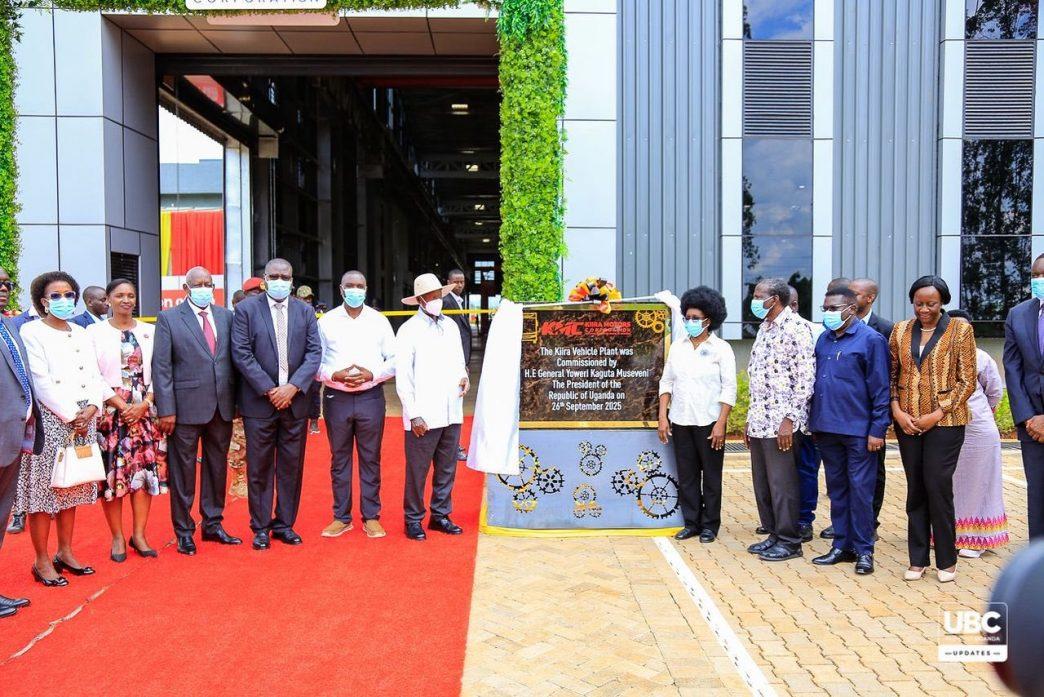
President Yoweri Kaguta Museveni on Friday officially commissioned the Kiira Vehicle Plant in Jinja, a multi-million dollar facility that government officials and Kiira Motors say will position Uganda as a regional hub for vehicle manufacturing and green mobility. The handover of the Jinja plant, described as a state-of-the-art facility for bus assembly and electric vehicle production, marks a tangible step in a decade-long programme to translate university-led prototypes into local industry.
26.09.2025 marked a monumental day for the Republic of Uganda as His Excellency President Yoweri Kaguta Museveni officially commissioned the Kiira Vehicle Plant, cementing the nation’s position as a regional leader in mobility innovation and industrialization. pic.twitter.com/mODZIhNtun
— 𝐊𝐢𝐢𝐫𝐚 𝐌𝐨𝐭𝐨𝐫𝐬 (@KiiraMotors) September 27, 2025
President Museveni linked the factory’s commissioning to broader national ambitions for industrialisation and value addition. He also highlighted plans to process domestic iron ore into steel and pointed to lithium deposits that could feed an electric-vehicle supply chain.
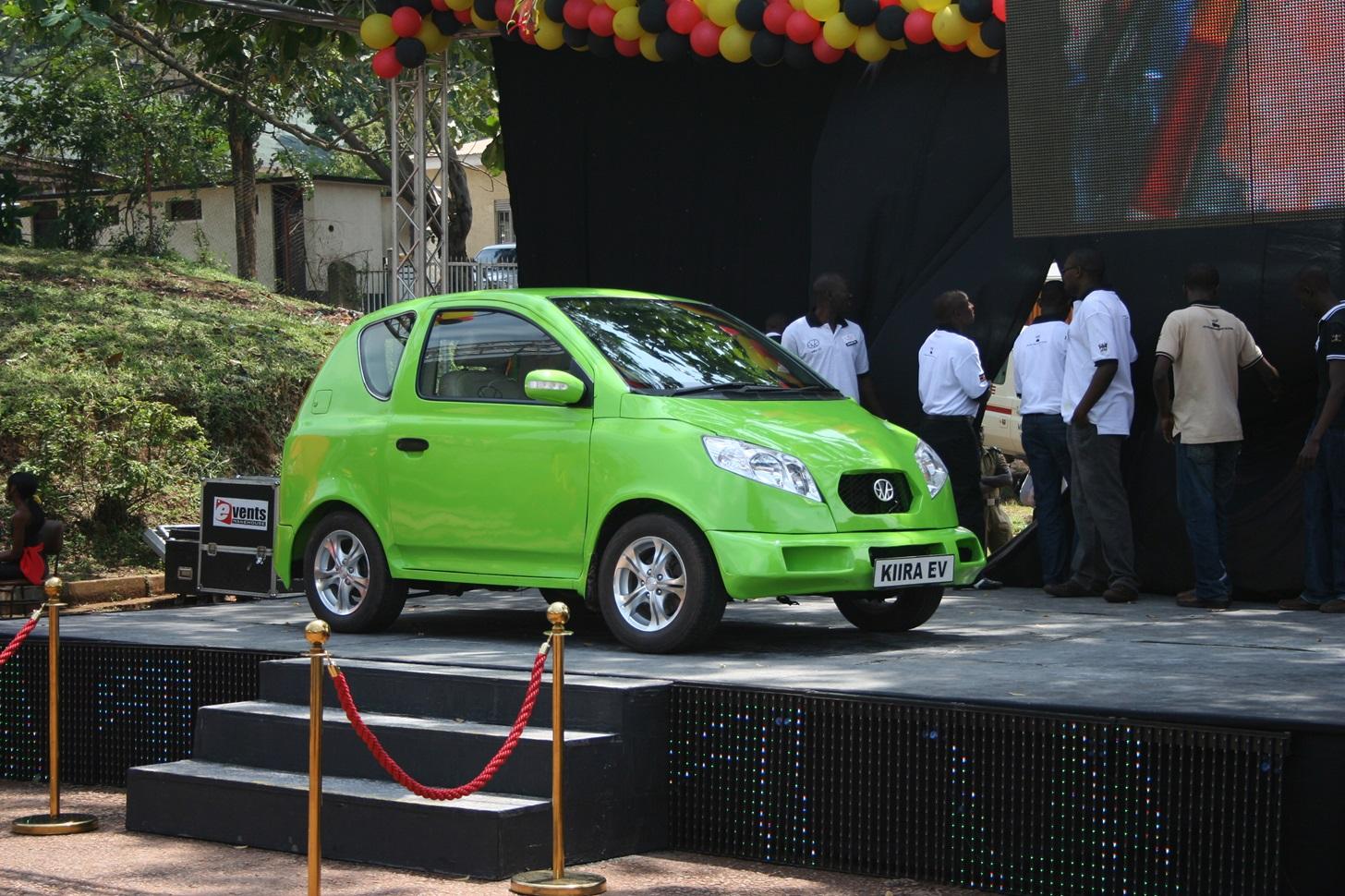
The Kiira story began over a decade ago at Makerere University, where a team of students and researchers produced the KiiraEV prototype — widely recognised as Africa’s first electric vehicle. That proof-of-concept spawned further designs, including hybrid demonstrators and the Kayoola solar bus, and ultimately the government-backed Kiira Motors Corporation, which has driven the project from campus lab to factory floor.
The plant will do more than assemble buses and coaches; it is intended as a nucleus for skills development, local content, and supply chain growth. Kiira’s product line already includes the Kayoola electric low-floor city bus and a premium Kayoola coach (available in electric and diesel variants), and the new plant is expected to scale output, provide technical training, and create direct and indirect jobs in the region. Supporters argue that local vehicle production will reduce import bills, spur component manufacturing, and anchor related industries such as steel and battery supply.
Beyond the workshop, Museveni used the commissioning to outline resource-based opportunities that could make Uganda more self-reliant. He singled out iron ore reserves in Kabale and Butogota as feedstock for domestic steel production, noting current annual steel import bills and pointing to lithium deposits in Ntungamo and other regions as strategically important for future electric-vehicle batteries. Analysts say linking mineral processing to vehicle assembly would be ambitious but could deliver significant economic multipliers if managed with clear industrial policy and private-sector partnerships.
The government has also pledged financial and institutional support for the Kiira project. Funding and facilitation will be availed to complete the plant and scale operations as part of a broader push to foster locally made technology and demonstrate that university research can translate into the commercial industry.
The commissioning is proof that persistent investment in research and local talent can yield home-grown industrial capabilities.
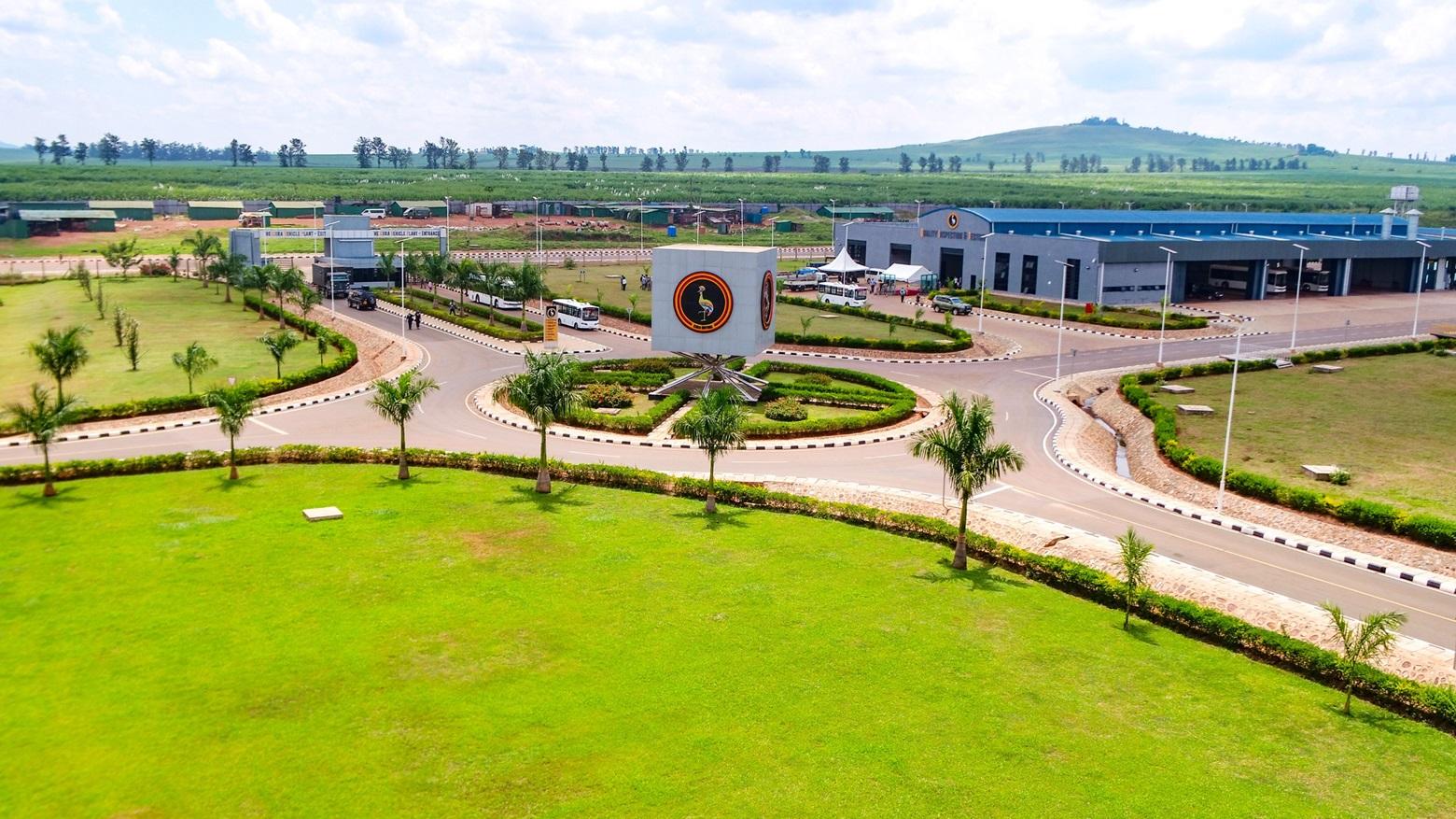
As the dust settles on the commissioning ceremony, questions remain about the pace of local component sourcing, the competitiveness of Uganda-made vehicles on regional markets, and the timeline for converting mineral potential into processed inputs for manufacturing. For now, the Kiira Vehicle Plant stands as a high-profile symbol of Uganda’s hopes to marry innovation, industrial policy, and natural resources into a new chapter of job creation and sustainable mobility.
Currently producing 2,500 vehicles annually, Kiira Vehicle Plant has plans to increase production to 5,000 vehicles.
CHECK OUT THE PICTORIAL FROM THE COMMISSIONING: [pictorial]


