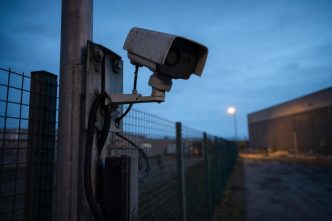
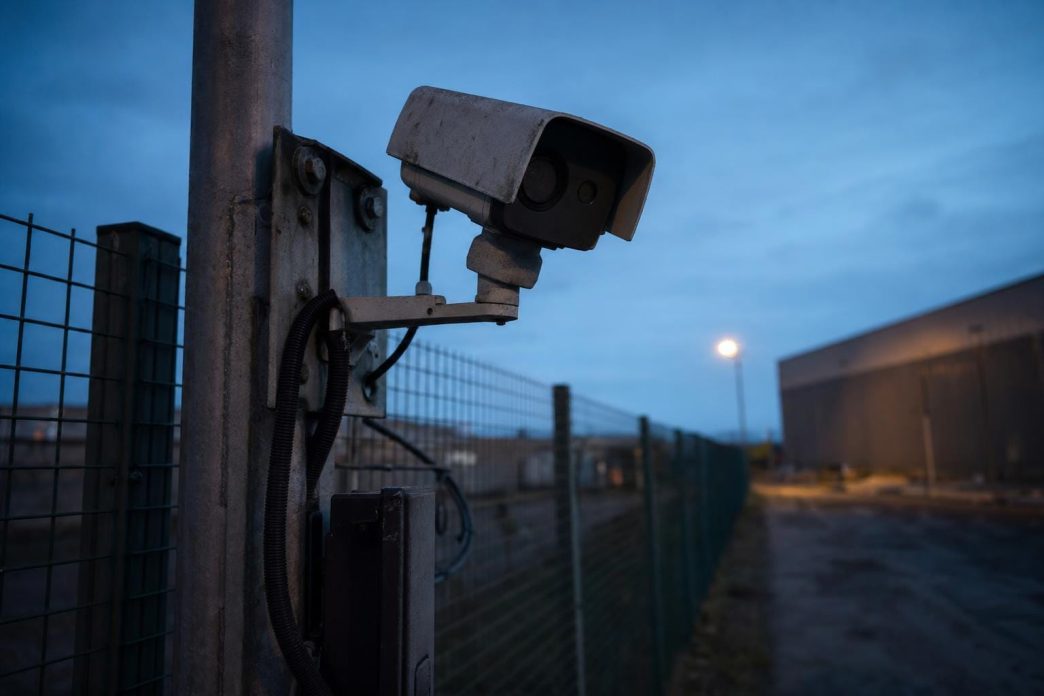
Many surveillance upgrades start with two ideas: add resolution and add light. Both can help, but neither fully answers a common security question: is anything moving across an unlit perimeter at 2 a.m.? Thermal imaging handles that task well. However, it cannot perform jobs such as reading a number plate or confirming a face.
This guide explains what thermal cameras do, where they fit in a multi-site security plan, and how to specify them with interoperability, weather and privacy in mind.
How thermal imaging works, in plain English
Objects emit infrared energy based on their temperature and surface properties. A thermal camera collects that energy through a specialised lens and converts temperature differences into an image. Because the camera does not depend on reflected visible light, it can operate in complete darkness.
Detection versus identification
The clearest way to scope thermal imaging is by task. Detection asks whether a person, animal or vehicle is present. Recognition and identification ask what the object is or who the person is. Thermal images usually do not provide the facial detail, colour information or readable text needed for reliable identification.
This distinction supports a paired design. A thermal camera can monitor long, dark or low-traffic areas and trigger an alert. A visible-light fixed camera or pan-tilt-zoom camera can then capture the detail an investigator may need. Gates and loading bays, where faces and number plates matter, remain jobs for visible-light and dedicated licence plate recognition cameras.
Where thermal earns its place
Four business cases appear regularly in multi-site security planning.
- Unlit perimeters. Similar considerations apply when selecting security cameras for remote properties, where connectivity, weather exposure, power availability, and reliable monitoring become important parts of the overall security design.
- Substations and technical rooms. Thermometric models measure temperature values rather than only displaying heat differences. They can support hot-spot monitoring alongside security duties, provided the selected model covers the required temperature range.
- Privacy-sensitive spaces. Thermal imaging can show that someone is present or may have fallen without capturing the same level of identifiable detail as a conventional camera.
- Large campuses affected by haze. Thermal may perform better than visual cameras in light haze or fog, but heavy rain and dense fog can reduce detection range substantially.
Specification choices that matter
Detection range depends heavily on optics. A longer focal length narrows the field of view and can extend detection distance. Choose the lens only after defining the distance to the target and the width of the area that each camera must cover. When comparing options, specify a thermal CCTV camera against those site measurements.
Physical conditions matter as well. Mount cameras high enough to discourage tampering but low enough to keep likely targets within the vertical field of view. Avoid mounting behind glass, and account for sun-warmed metal, hot roofs, exhaust outlets and dense vegetation when tuning analytics.
Keeping the system interoperable
Multi-site estates rarely remain tied to one manufacturer. ONVIF profiles provide common interfaces that can make mixed systems easier to manage. Profile S and Profile T cover video streaming, Profile G supports edge recording and retrieval, and Profile M addresses analytics metadata.
Ask for conformance with the specific profiles the design requires, not a general statement that a product is “ONVIF compatible.” Also confirm that the recorder or video management system supports the same functions. A listed profile does not guarantee that every analytic event, temperature reading or configuration option will transfer between products.
Privacy and compliance in India
Footage that identifies or can be linked to an individual may qualify as personal data. India’s Digital Personal Data Protection Act, 2023 provides the main statutory framework for digital personal data, while implementing requirements and other applicable laws should be reviewed for each deployment.
These measures are part of broader business security practices that combine physical protection, cybersecurity controls, and responsible data management to reduce operational risks. Retention settings should be enforced through the system rather than left to informal practice.
Thermal imaging may reduce the amount of identifiable detail collected, but it does not automatically remove privacy obligations. If people can still be tracked or linked to a particular location and time, treat the footage cautiously. This is general information rather than legal advice, so organisations should have qualified counsel review notices, retention rules and access procedures.
A practical selection checklist
- State the objective for each position: detection, recognition or identification.
- Define the distance and required field of view before choosing a focal length.
- Confirm which frame rate and regional product variant are available.
- Test analytics using realistic paths, vehicles and animals rather than a simple daytime walk-through.
- Verify ONVIF conformance for streaming, edge storage and analytics metadata.
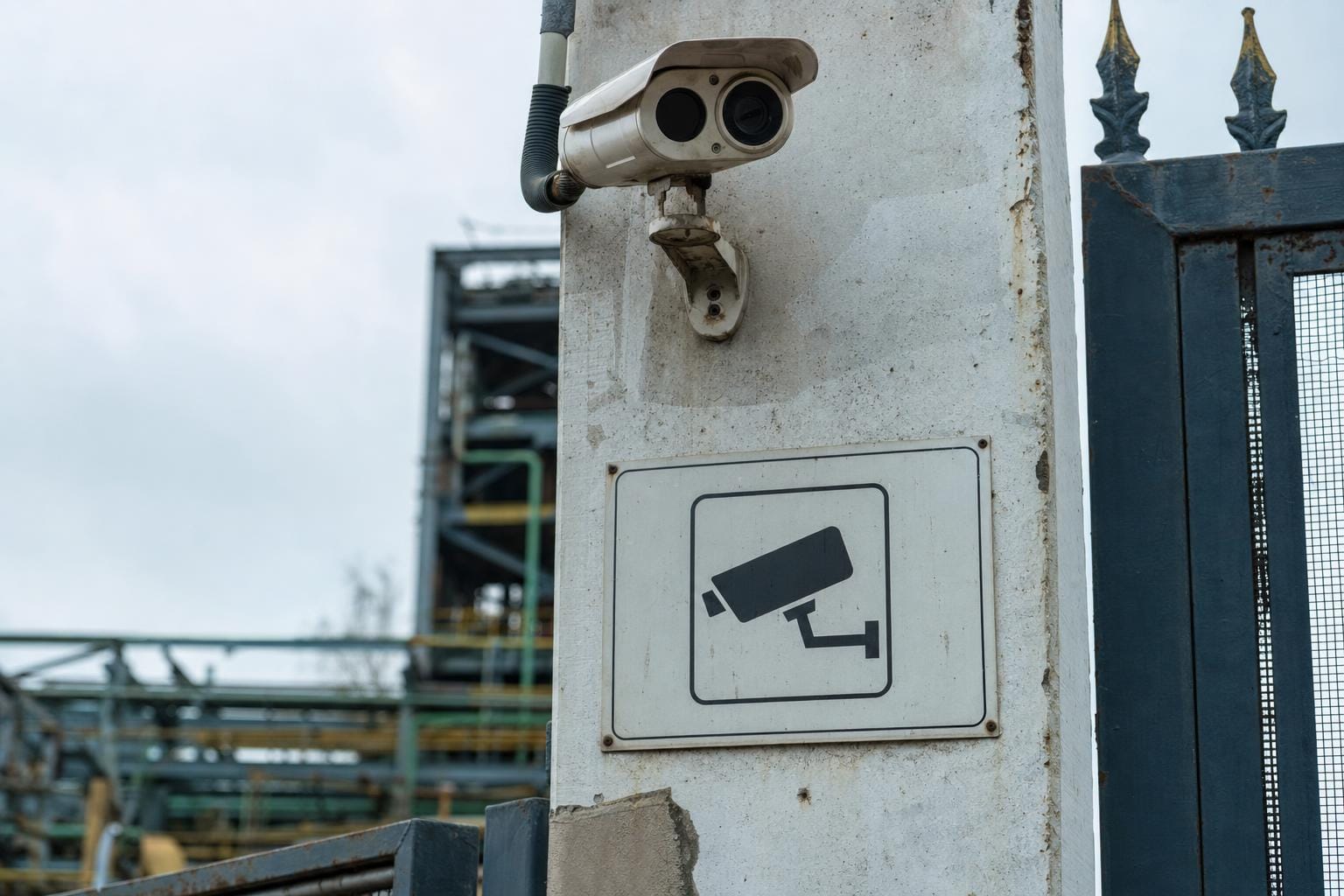
- Complete signage, retention settings and access controls before deployment.
For readers researching imaging approaches before creating a shortlist, Hanwha Vision publishes optics and imaging resources that explain how a thermal camera can work alongside visible-light options in a broader surveillance design.
The planning takeaway
Thermal imaging is a specialised layer, not a replacement for every conventional camera. It is most useful where light is scarce, distances are long or privacy calls for less identifiable imagery. Used as a general-purpose identification camera, it will disappoint. Whether evaluating Hanwha Vision, Axis, Avigilon or another supplier, define the task for each position, verify interoperability claims and test the design at the intended site.
FAQ
Can a thermal camera read a licence plate?
No. Thermal cameras are primarily detection sensors. Reading plate text requires a visible-light or infrared-illuminated camera, usually a dedicated licence plate recognition unit positioned for the correct angle and distance.
How does ONVIF help when mixing brands?
ONVIF profiles define common interfaces for functions such as video streaming, edge recording and analytics metadata. Buyers should verify the exact profiles supported by both the camera and the recording or management system.