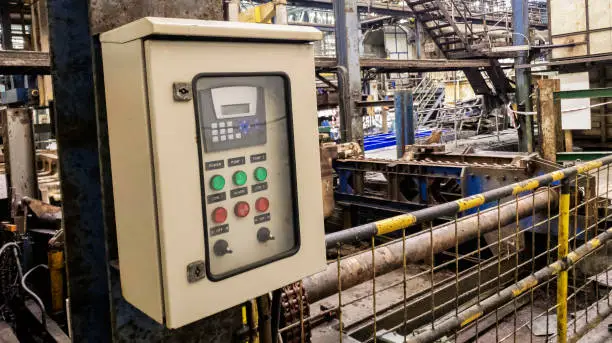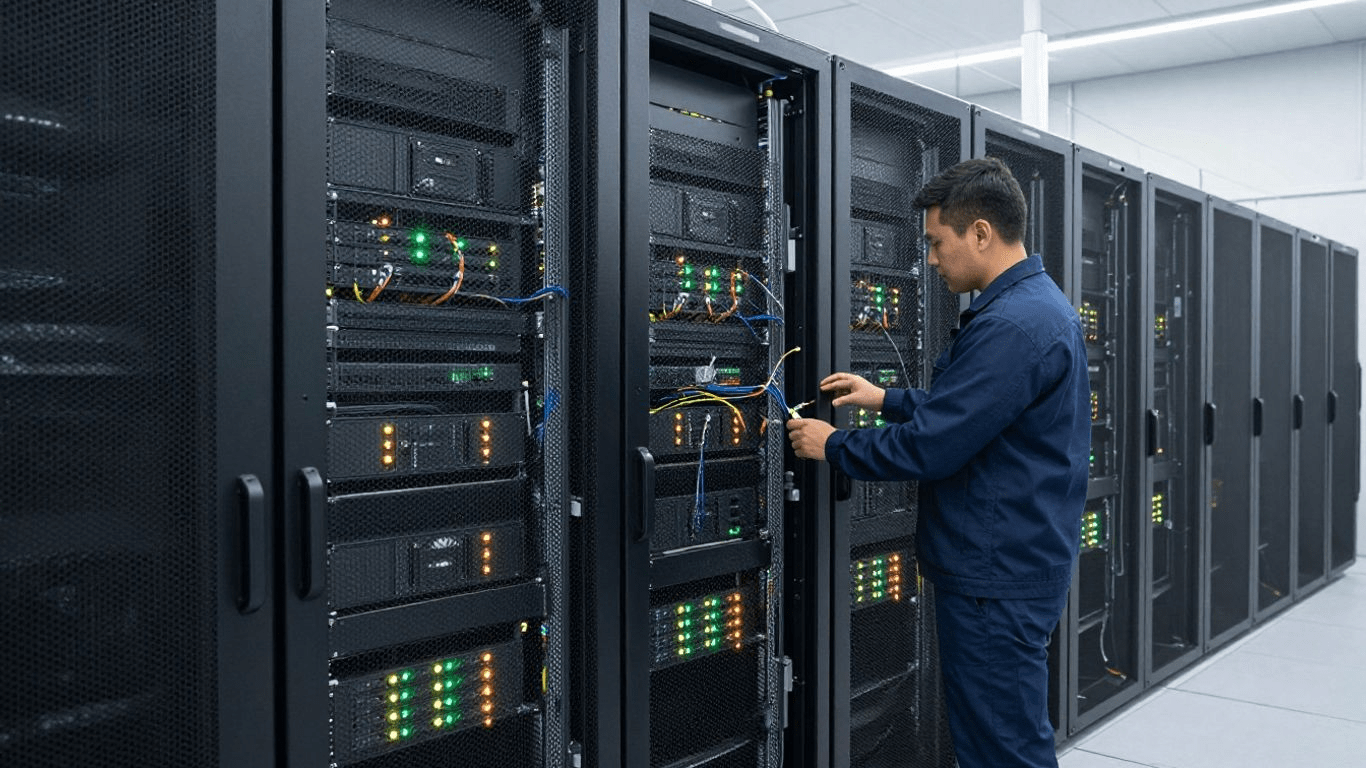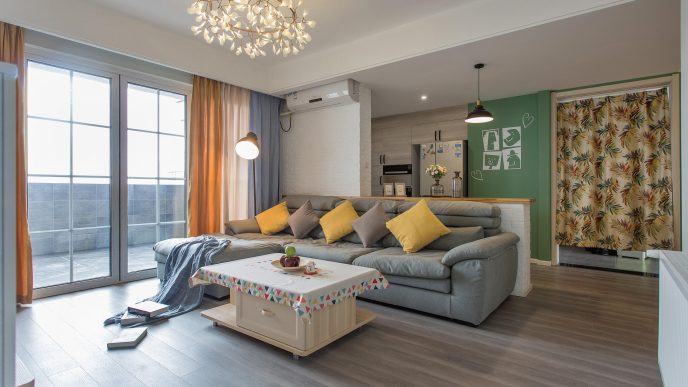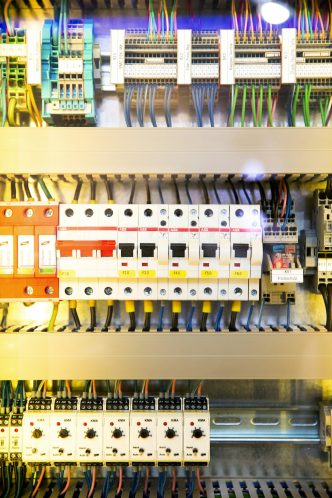
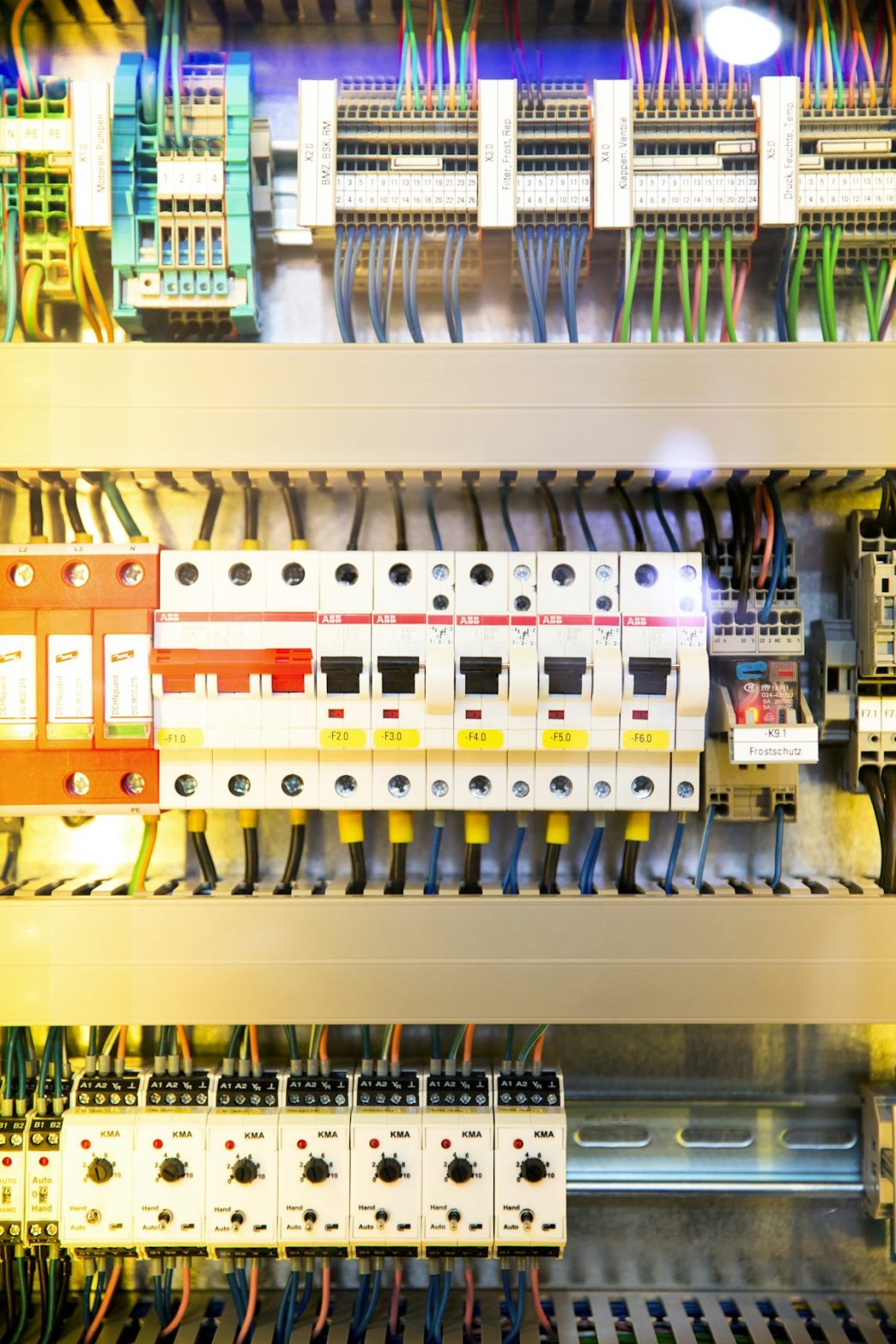
Lighting has become much more sophisticated than simply flipping a wall switch. In homes, offices, warehouses, schools, retail spaces, and industrial facilities, lighting systems can now be programmed and managed from centralized controls. A lighting control panel serves as the command center for many of these systems, allowing users to control multiple lighting circuits efficiently from one location.
Modern control panels can also be integrated with sensors, timers, building management systems, and other automation technologies. When combined with smart lighting control, these panels can help improve energy efficiency, simplify building operations, increase occupant comfort, and provide greater flexibility over when and how lighting is used.
What Does a Lighting Control Panel Do?
A lighting control panel is an electrical control system designed to manage multiple lighting circuits. Instead of relying entirely on individual wall switches, the panel allows lighting throughout a building or designated area to be controlled through centralized equipment.
The panel contains relays, controllers, circuit connections, and other electrical components that determine when specific lights turn on, turn off, or change settings. Depending on the system, commands may come from manual switches, occupancy sensors, schedules, mobile applications, or a building automation platform.
For example, an office building could use a lighting control panel to automatically turn common-area lights on before employees arrive and shut them off after business hours. Sensors could then adjust lighting in conference rooms or private offices based on occupancy.
The Main Components of a Lighting Control Panel
Lighting control panels vary depending on their manufacturer, application, and complexity. However, most systems contain several basic components that work together to control the connected lighting.
Common components may include:
- Relays: Electrically controlled switches that turn individual lighting circuits on or off.
- Controllers: Devices that process commands and determine how lighting circuits should respond.
- Power supplies: Components that provide the electrical power required by the control system.
- Input modules: Devices that receive signals from switches, sensors, timers, and other controls.
- Output modules: Components that send instructions to connected lighting circuits or fixtures.
- Communication interfaces: Connections that allow the lighting panel to communicate with building automation systems, computers, or smart devices.
More advanced panels may also include dimming modules, programmable processors, network connections, and touchscreen interfaces. These additional capabilities can transform a basic control panel into part of a comprehensive smart lighting control system.
How Lighting Control Panels Work
A lighting control panel receives an instruction and uses that instruction to control one or more lighting circuits. The instruction can originate from several sources, depending on how the building’s lighting system is designed.
For example, someone might press a wall-mounted button requesting that the lights turn on. The signal travels to the control panel, which activates the appropriate relay and supplies power to the designated lighting circuit. When the system receives an off command, the relay changes position and shuts down that circuit.
Automated systems work in a similar way but do not always require direct user input. A programmable schedule, occupancy sensor, daylight sensor, or building management system can automatically send commands to the lighting panel based on predetermined conditions.
Different Types of Lighting Control Panels
There is no single lighting panel that works for every building. Systems can range from straightforward relay panels to advanced network-connected solutions that control thousands of fixtures.
Relay-Based Lighting Panels
Relay panels are among the most common types of centralized lighting controls. They use electrical relays to switch individual circuits on and off and are frequently used in offices, warehouses, schools, and commercial facilities.
These systems can often be connected to timers, switches, and occupancy sensors. While their primary function may be straightforward switching, modern relay panels can also provide advanced scheduling and automation capabilities.
Dimming Control Panels
Dimming panels allow users to adjust light output instead of simply turning fixtures on or off. They are frequently found in restaurants, theaters, conference facilities, hospitality environments, and other areas where lighting levels contribute to the atmosphere or functionality of a space.
Dimming can also reduce energy use when full illumination is unnecessary. Depending on the lighting technology, different dimming protocols and control equipment may be required.
Networked Lighting Control Panels
Networked systems allow panels, sensors, switches, and other devices to communicate across a digital network. These solutions frequently form the foundation of smart lighting control installations.
Facility managers may be able to monitor lighting, adjust schedules, review operating data, and troubleshoot certain issues from centralized software. Some systems can also communicate with HVAC, security, access control, and other building technologies.
Benefits of Using a Lighting Control Panel
Centralized lighting controls can offer significant advantages in both small and large facilities. The exact benefits depend on the design of the system and how effectively it is programmed.
Improved Energy Efficiency
One of the biggest advantages is the ability to reduce unnecessary energy consumption. Lights can automatically turn off when rooms are empty, dim when sufficient daylight is available, or operate according to schedules.
Reducing unnecessary lighting hours can lower electricity consumption while also decreasing wear on lamps, drivers, and fixtures. In larger facilities, even relatively small operational improvements can produce substantial energy savings over time.
Easier Building Management
Managing hundreds of individual switches throughout a large facility can become inefficient. A centralized panel allows building operators to manage multiple areas from a single control system.
Facility personnel can also establish schedules for different zones. For instance, parking areas, offices, hallways, exterior lighting, and warehouse spaces can each operate according to different requirements.
Greater Flexibility
Lighting needs can change throughout the day or as a building’s use evolves. A programmable control system makes it easier to change lighting behavior without manually operating every fixture.
Conference rooms might require multiple lighting scenes for meetings and presentations, while a retail store may use different settings during operating hours, cleaning periods, and overnight security checks. Smart lighting control gives users greater ability to customize these situations.
Increased Occupant Comfort
Too much or too little light can affect how comfortable and functional a space feels. Adjustable lighting allows occupants or facility managers to select appropriate illumination levels for different tasks.
Automated daylight harvesting systems can also balance artificial lighting with natural sunlight. When properly configured, the transition between lighting levels can occur automatically without requiring constant manual adjustment.
Where Are Lighting Control Panels Used?
Lighting control panels are used in many residential, commercial, institutional, and industrial environments. They are particularly valuable when numerous lighting circuits need to operate according to coordinated schedules or conditions.
Common applications include:
- Office buildings
- Schools and universities
- Warehouses
- Manufacturing facilities
- Hospitals and healthcare buildings
- Retail stores
- Hotels
- Restaurants
- Entertainment venues
- Parking garages
- Government facilities
- Multifamily residential properties
- Large private residences
The size and complexity of the panel typically depend on the number of circuits being controlled and the level of automation required. A residential installation might manage only a handful of lighting zones, while a large commercial facility may require multiple interconnected panels.
Lighting Control Panels and Smart Building Technology
Lighting systems are increasingly becoming part of broader smart building networks. Instead of operating as a completely independent electrical system, lighting can communicate with other building technologies.
For example, an occupancy sensor could tell both the lighting system and HVAC system that a room is empty. The lights could switch off while the HVAC system adjusts the temperature setting, allowing multiple building systems to respond simultaneously.
A smart lighting control platform may also provide facility managers with information about equipment operation and energy usage. This data can help organizations identify inefficient schedules, unnecessary lighting operation, or areas where additional automation could be beneficial.
What to Consider When Choosing a Lighting Control Panel
Selecting the right system requires evaluating the building’s current lighting needs as well as possible future requirements. Choosing a panel that offers appropriate capacity and flexibility can help prevent expensive upgrades later.
Important considerations include:
- Number of lighting circuits
- Type of lighting fixtures
- Dimming requirements
- Occupancy sensor compatibility
- Daylight sensor integration
- Scheduling capabilities
- Network connectivity
- Building automation compatibility
- Remote management capabilities
- Future expansion needs
It is also important to consider installation and maintenance requirements. Commercial electrical systems should be designed and installed according to applicable electrical codes, manufacturer requirements, and project specifications.
Frequently Asked Questions About Lighting Control Panels
Is a Lighting Control Panel the Same as an Electrical Panel?
No. A standard electrical panel distributes electrical power through circuit breakers, while a lighting control panel manages when specific lighting circuits operate. Some lighting systems work alongside electrical distribution panels but perform different functions.
Can a Lighting Control Panel Control Dimming?
Yes, if the system is designed for dimming. The panel and connected lighting equipment must support compatible dimming technology and communication protocols.
Can Lighting Control Panels Work With Occupancy Sensors?
Yes. Occupancy and vacancy sensors are commonly integrated with lighting controls. They can automatically turn lights on, turn them off, or adjust output depending on whether a space is occupied.
Can Lighting Be Controlled From a Smartphone?
Many modern systems offer smartphone, tablet, or web-based interfaces. Availability depends on the control platform, network configuration, and manufacturer’s software.
Do Lighting Control Panels Save Energy?
They can significantly reduce unnecessary lighting use when properly designed and programmed. Scheduling, occupancy sensing, daylight harvesting, and dimming can all contribute to improved efficiency.
What Is Smart Lighting Control?
Smart lighting control refers to systems that use automation, sensors, software, networking, or programmable controls to manage lighting more intelligently. These systems can automatically adjust lighting based on occupancy, schedules, available daylight, and other conditions.
Can an Existing Building Be Upgraded With Lighting Controls?
In many cases, yes. Retrofit solutions can add automated or centralized lighting controls to existing buildings, although installation requirements depend on the wiring, fixtures, panel capacity, and desired features.
Creating a More Efficient Approach to Lighting
A lighting control panel provides a centralized way to manage multiple lighting circuits while reducing the need for manual operation throughout a building. From simple scheduled switching to advanced networked automation, these systems can be configured around the specific requirements of homes, offices, warehouses, schools, retail environments, and other facilities.
As lighting technology continues to become more connected, control panels play an increasingly important role in building automation. Integrating sensors, programmable schedules, dimming capabilities, remote monitoring, and smart lighting control can make lighting systems easier to manage while supporting greater energy efficiency and occupant comfort. A properly designed lighting control system ultimately gives building owners and facility managers more precise control over where, when, and how their lighting is used.