Introduction
The ability to turn real-world objects into digital models has changed the way people design, manufacture, and innovate. From engineers creating prototypes to hobbyists exploring creative projects, 3D technology is becoming an essential part of modern workflows. Among the most exciting advancements in this field is the combination of scanning and printing technologies, which allows users to capture objects and reproduce them with remarkable accuracy.
Many people looking to enter this space come across the term 3d printer scanner and wonder how it fits into the design process. At the same time, beginners often ask what is a 3d scanner and why it has become such an important tool across different industries. Understanding these technologies can help businesses and individuals make better use of digital manufacturing and design solutions.
The Rise of Digital Replication
Creating a digital version of a physical object used to require hours of manual modeling. Designers had to measure dimensions, recreate shapes, and spend significant time building accurate models from scratch. Today, scanning technology has simplified that process.
A scanner can quickly capture the shape and dimensions of an object and transform that information into a digital file. Once the file is created, it can be edited, improved, or sent directly to a printer for production. This workflow saves time, improves accuracy, and opens new opportunities for innovation.
As industries continue to embrace digital transformation, scanning solutions are becoming more accessible to businesses, schools, and independent creators.
What Is a 3D Scanner?
One of the most common questions asked by newcomers is what is a 3d scanner.
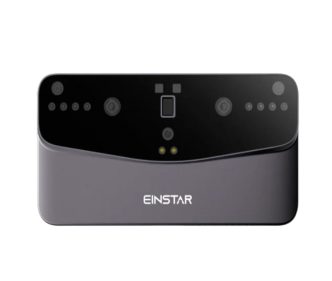
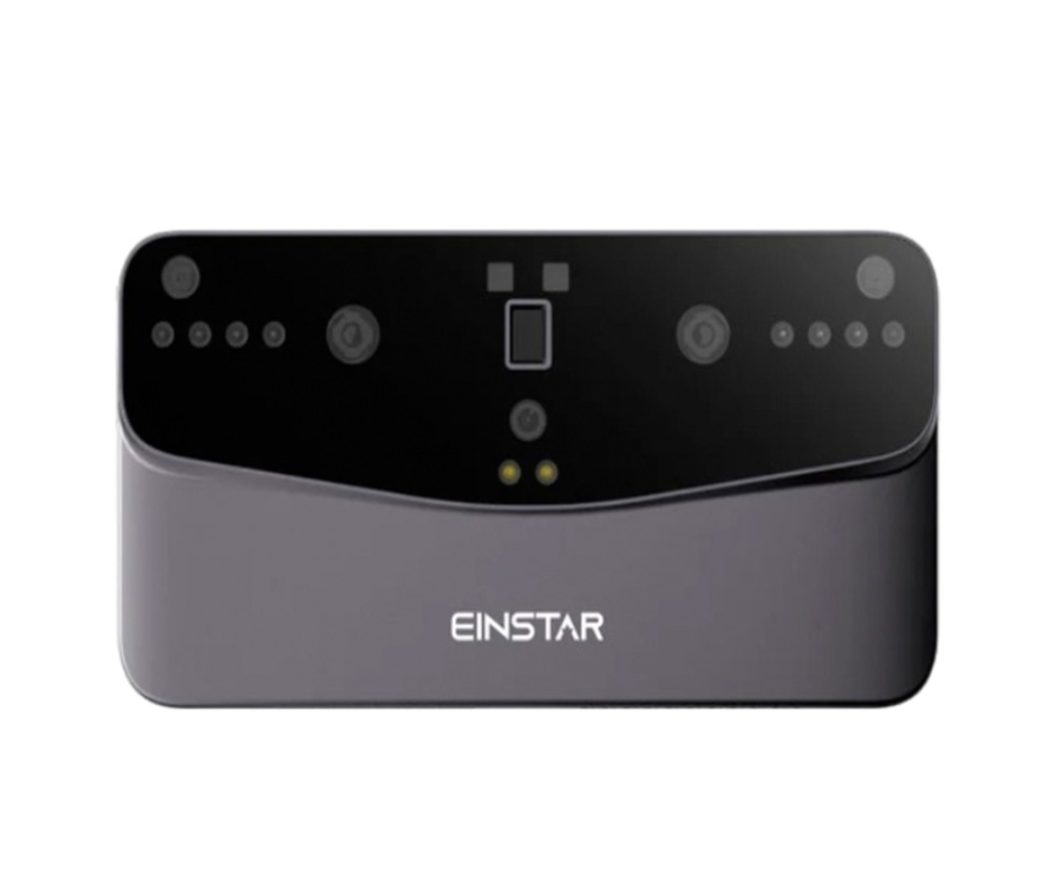
A 3D scanner is a device designed to capture the size, shape, and surface details of a physical object and convert that information into a digital 3D model. Unlike traditional photography, which only records images from a flat perspective, a scanner gathers depth information and spatial measurements.
The device collects data points from every visible angle of an object. Specialized software processes these points and creates a virtual representation that can be viewed on a computer. The resulting model can be modified, analyzed, stored, or prepared for manufacturing.
This technology allows users to reproduce highly detailed objects without manually designing every feature from the ground up.
How 3D Scanning Technology Works
The scanning process may appear complex, but the concept is straightforward.
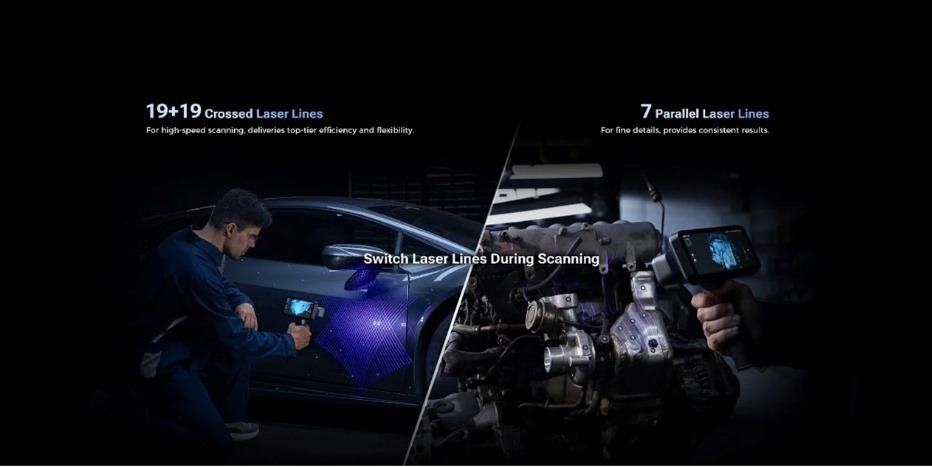
A scanner projects light, laser beams, or structured patterns onto an object. Sensors then measure how the light interacts with the surface. By collecting information from multiple angles, the scanner creates a detailed map of the object’s geometry.
Once enough data is gathered, software converts the information into a point cloud. This point cloud is transformed into a complete 3D model that can be used in design programs and manufacturing systems.
The quality of the final model depends on the scanner’s resolution, accuracy, and the software used to process the data.
Understanding the Value of a 3D Printer Scanner
A 3d printer scanner plays a vital role in modern design and manufacturing workflows. Instead of creating a model manually, users can scan an existing object and prepare it for printing.
This process is particularly useful when replacement parts, prototypes, or customized products are needed. By scanning an object, users can create an accurate digital copy and make adjustments before printing a new version.
For example, if a machine component is damaged and replacement parts are unavailable, a 3d printer scanner can help capture the original design. After scanning, the file can be refined and reproduced using a compatible 3D printer.
This capability has made scanning and printing technology valuable in industries ranging from manufacturing to healthcare.
Key Benefits of 3D Scanning
Increased Accuracy
Traditional measuring techniques can introduce errors, especially when dealing with complex shapes. Scanners capture precise details that improve the quality of digital models.
Faster Workflow
Creating a digital model manually can take hours or even days. Scanning significantly reduces design time and helps projects move forward more quickly.
Cost Savings
By minimizing manual work and reducing design revisions, businesses can lower production costs and improve efficiency.
Easy Customization
Digital models can be edited and modified before production. This flexibility allows users to create custom solutions that meet specific requirements.
Better Documentation
Many organizations use scanning technology to archive important objects and preserve detailed records for future use.
Applications Across Multiple Industries
Manufacturing and Engineering
Manufacturers use scanning systems to inspect products, verify dimensions, and create digital models for production. Reverse engineering has become one of the most popular applications for scanning technology.
Healthcare
Medical professionals rely on scanning solutions for prosthetics, dental restorations, and customized medical devices. Accurate digital models help improve patient outcomes and treatment quality.
Architecture and Construction
Architects use scanners to document buildings, capture site conditions, and create detailed digital representations of structures.
Education and Research
Universities and research institutions incorporate scanning technology into engineering, design, and technology programs. Students gain valuable experience with advanced digital tools.
Art and Cultural Preservation
Museums and cultural organizations use scanning technology to preserve historical artifacts and create digital archives that can be studied and shared worldwide.
Choosing the Right Scanning Solution
Selecting the best scanner depends on individual needs and project requirements.
Accuracy should be one of the first considerations. Higher accuracy results in more detailed and reliable digital models.
Portability is another important factor. Handheld devices offer flexibility for fieldwork and scanning large objects, while desktop systems may provide greater precision for smaller items.
Software compatibility is equally important. A scanner should integrate smoothly with modeling and design applications to ensure an efficient workflow.
Users should also consider budget, ease of use, and long-term support when making a purchase decision.
Future Trends in 3D Scanning
Technology continues to evolve rapidly, and the future of 3D scanning looks promising. Artificial intelligence is helping improve data processing and model generation, making scans faster and more accurate.
Mobile devices are also becoming more capable of capturing 3D information. As smartphone sensors improve, basic scanning features are becoming available to a wider audience.
Cloud-based platforms are further enhancing collaboration by allowing teams to access and edit scanned models from different locations. These innovations are expected to make scanning technology even more useful in the coming years.
As more industries adopt digital workflows, the demand for advanced scanning solutions will continue to grow.
Conclusion
Understanding what is a 3d scanner is essential for anyone interested in modern design, manufacturing, or digital creation. These devices make it possible to capture real-world objects and transform them into accurate digital models that can be edited, analyzed, and reproduced.
A 3d printer scanner takes this process a step further by connecting scanning technology with 3D printing. Together, these tools create a seamless workflow that saves time, improves precision, and encourages innovation.
Whether you are a professional designer, engineer, educator, or hobbyist, 3D scanning offers powerful opportunities to bring ideas to life and bridge the gap between the physical and digital worlds.