
The reality of the front desk
If you walk into a typical allied health or medical practice at 9 am, you hear the specific sound of operational stress. Phones ring constantly. Patients wait to check in. Reception staff rapidly click through multiple screens to find a missing referral form while the EFTPOS machine beeps an error code.
It happens every day in clinics across Australia. The immediate reaction from practice owners is a panicked assumption that they need to hire another receptionist to handle the load. But hiring is expensive. Finding good staff is difficult, and training them takes months.
Throwing a new person at a messy process just scales the mess. Before you add to your payroll, you need to look closely at why the work is piling up in the first place. Often, your team is not actually overworked. They are simply spending their time on the wrong tasks.
Audit your daily bottlenecks
You need to know exactly where the hours are going before you try to fix anything. Sit behind the front desk for a morning and watch what actually happens.
Is the team spending two hours chasing up unconfirmed appointments? Are they manually typing out new patient intake forms? Are they untangling rejected Medicare claims because a practitioner forgot to add an item number?
A practice audit doesn’t need to be a massive consulting project. Grab a notepad and tally up the repetitive manual tasks. You will usually find that 80 percent of the stress comes from just a handful of poorly managed workflows. Identify the tasks that require zero critical thinking but consume hours of time. These are your first targets.
Make your systems do the heavy lifting
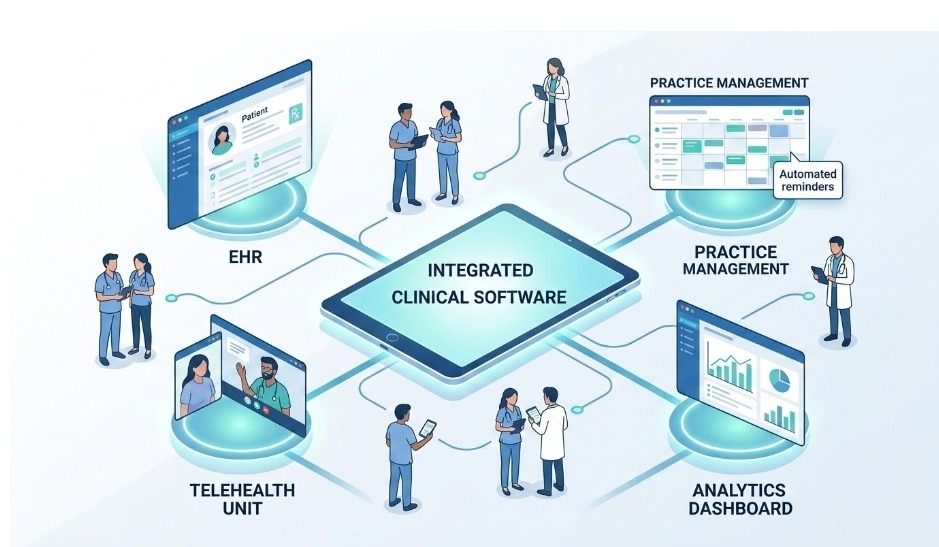
Most clinics pay a monthly subscription for practice management tools but only use a fraction of the features. You might just have an expensive digital diary when you could have a fully automated assistant.
Take the time to properly configure your clinical software. Modern systems can handle appointment reminders, waitlist management, and even follow up on unpaid invoices automatically. If your team is manually calling patients to remind them of appointments, you are wasting money. Turn on automated SMS reminders and require a reply.
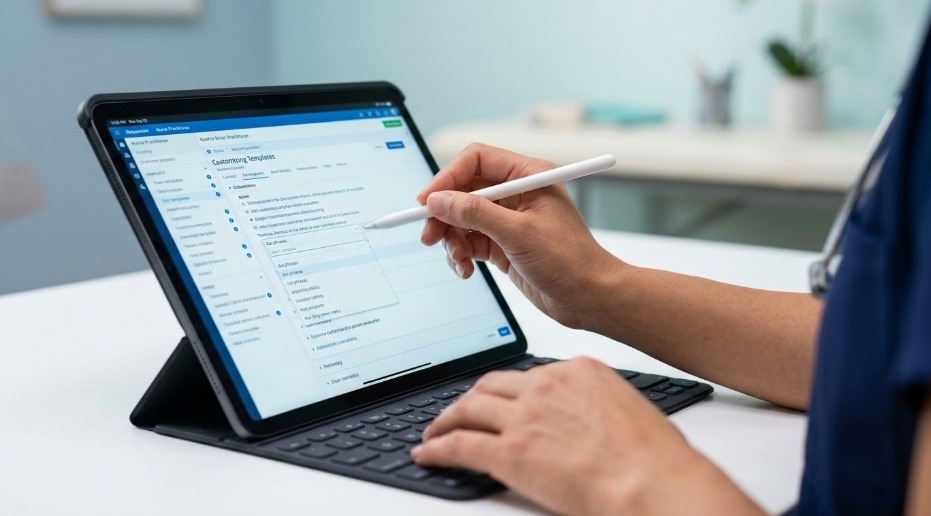
Set up logic rules that flag patients who need a care plan review. Train your team to use the shortcuts and templates built into the system. It takes a weekend to configure these settings properly, but it saves hours every single week. Connect your secure messaging platforms like HealthLink properly so specialist letters drop straight into the patient file instead of sitting in a general inbox waiting to be sorted.
Stop typing what the patient can type
Clipboard intake forms belong in the past. When a patient fills out a paper form, your front desk staff then have to squint at their handwriting and type it all into the database manually. It’s classic double handling.
Send digital intake forms automatically when a new patient books. They can fill it out on their phone while sitting on the bus or watching television at home. By the time they walk through your door, their demographic details, medical history, and privacy consent forms are already synced to their file.
This single change can give your reception team an hour back every day. It also reduces transcription errors and ensures your records meet Australian privacy requirements without requiring a massive filing cabinet behind the desk.
Standardise practitioner habits

A lot of administrative burnout is actually caused by the clinical team. A practitioner finishes a session, needs to convey something to the front desk, and ends up scribbling it on a sticky note. The note gets lost. The patient calls back confused a week later.
Move to internal digital messaging. Set clear rules about how practitioners communicate billing or follow up requirements to the front desk. Use standardised codes or internal notes within the patient file instead of relying on verbal instructions in the hallway.
If practitioners finish their clinical notes and assign the correct item numbers before the patient reaches the desk, the checkout process takes ten seconds. If they don’t, the receptionist is forced to play a guessing game while a queue forms at the door.
Simplify complex billing pipelines
Getting paid should not be the hardest part of the day. If your team is struggling with manual PRODA claims at the end of the shift or trying to reconcile a mess of mixed payments, your payment architecture is broken.
Integrate your payment terminals directly with your management system. When the practitioner finalises the invoice, the exact amount should pop up on the terminal. Process Medicare rebates on the spot to avoid having a backlog of bulk billing claims sitting there at 5 pm.
When dealing with complex third party payers like the NDIS, WorkCover, or DVA, standardise your invoicing process. Create templates specifically for these claims. Your admin team should not have to manually build an invoice every time a plan managed NDIS participant comes in for a session.
Control the communication channels
Phone tag destroys productivity. You cannot control when patients call, but you can control how you manage the flow of information.
Funnel simple queries toward your website. Make sure your online booking system is easy to find and use. If patients can easily see availability, book a slot, and cancel online, your phone volume will drop noticeably. Configure your online booking rules so patients cannot leave awkward 15 minute gaps in the diary.
For the calls that do come through, consider using an overflow virtual reception service during peak hours. You don’t need to hire a full time staff member just to answer phones between 8 am and 10 am. A specialised medical answering service can take the overflow, book directly into your diary, and take detailed messages for the rest.
Accept the local context
The exact solutions will vary depending on your modality and location. The administrative load of a busy rural GP practice is very different from a specialist clinic in Sydney or a Southport wellness clinic.
Different modalities face different compliance requirements and patient demographics. However, the underlying principle remains identical across the board. You have to stop treating administrative work as an unavoidable burden and start treating it as a process that can be optimised.
Fix the small things first
Look at your processes objectively this week. Find the manual tasks that happen more than ten times a day. Fix those first.
It is entirely possible to run a high volume clinic with a lean administrative team. You just need to build an environment that supports them rather than one that constantly gets in their way. Small changes compound over weeks and months. When you remove the friction from the front desk, you retain your staff, provide a better experience for the patients, and protect your own profit margins. Start with one workflow tomorrow and build from there.