Finding the right educational foundation for your child in a landscape as competitive as Singapore’s can feel like an overwhelming task. With so many options available, many parents find themselves looking at the most obvious markers: the brightness of the classrooms, the variety of the play equipment, or the prestige of the neighborhood. While these are important, they often function as the “wrapper” rather than the substance of a child’s education.
At Cambridge, we believe that a truly exceptional early childhood experience is defined by what happens beneath the surface. As we look toward the future of education in 2026, the focus has shifted from mere academic preparation to the development of “future-ready” skills—critical thinking, emotional intelligence, and a genuine love for discovery.
If you are currently searching for a good kindergarten Singapore, you need to look closer. Beyond the brochures and the open-house presentations, there are five hidden indicators that reveal whether a school is truly equipped to nurture your child’s potential.
1. The Quality of “Inquiry-Based” Interaction
In many traditional settings, the teacher is the sole source of knowledge, and the students are passive recipients. However, in a high-quality environment, the dynamic is reversed. You should look for a classroom where the “ratio of questions” favors the child.
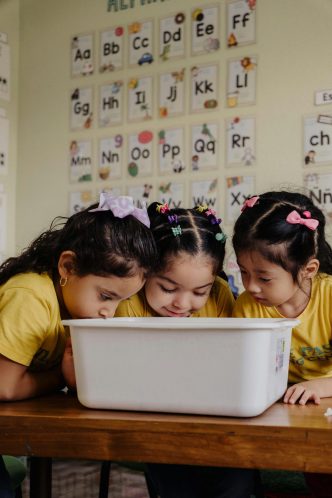
A high-quality kindergarten doesn’t just provide answers; it inspires questions. When a child asks, “Why do leaves change color?”, a standard teacher might explain the science of chlorophyll. A Cambridge-trained educator, however, will turn that question into a week-long project of exploration, collection, and observation. This is the hallmark of the best kindergarten in Singapore—it treats the child as a co-constructor of knowledge.
When observing a class, notice if the teachers are listening more than they are talking. Are they documenting the children’s thoughts? Are the walls covered in the children’s “work-in-progress” rather than just perfect, teacher-made decorations? These are the signs of a curriculum that values the thinking process over the final product.
2. The Integration of Multi-Sensory Literacy
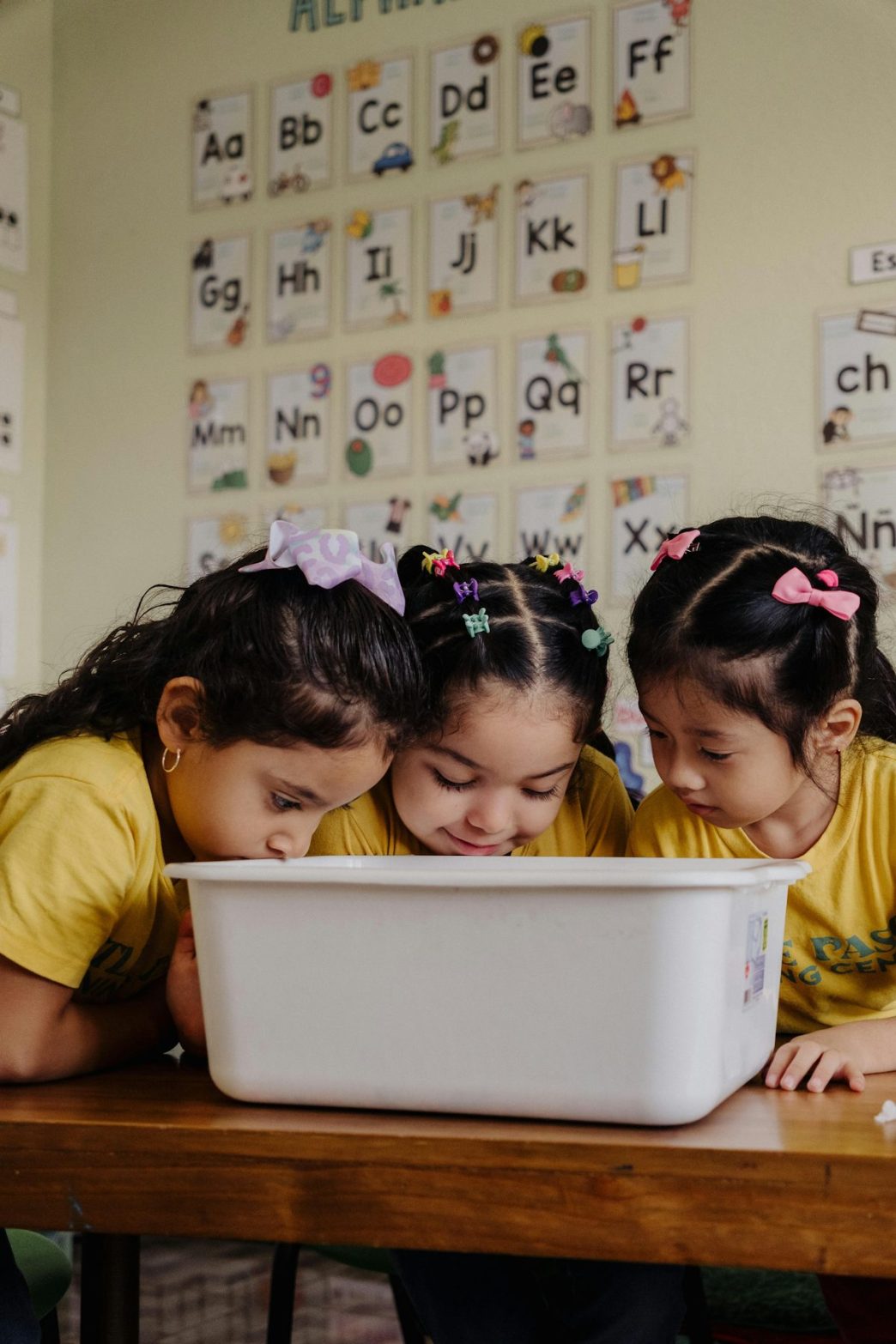
By the time a child enters a nursery class Singapore, their brain is primed for language acquisition. However, forcing a three-year-old to sit at a desk and trace letters is often counterproductive. The “hidden” indicator of a great school is how they integrate literacy into physical and sensory play.
In a top-tier kindergarten, reading and writing are not “subjects”—they are tools for communication. You might see children:
- Tracing letters in sand or salt trays to build muscle memory.
- Engaging in “dramatic play” where they write “menus” for a pretend restaurant.
- Using digital tools to record their own stories before they can even physically write.
This multi-sensory approach ensures that when the child eventually moves into primary school, they don’t just know how to read; they have a deep, emotional connection to the power of words.
3. A Focus on “Soft Skills” as “Hard Results”
In the past, parents often judged a kindergarten by the number of worksheets a child brought home. Today, we know that the most reliable predictors of long-term success are “executive functions”—the ability to self-regulate, focus attention, and work in a team.
A high-quality kindergarten prioritizes these “soft skills” with the same rigor others apply to mathematics. During your visit, look at how the school handles conflict between children. Does the teacher step in and dictate a solution, or do they facilitate a conversation where the children learn to negotiate and empathize?
A school that invests time in emotional intelligence is preparing your child for the complexities of the 21st-century workforce. These skills—resilience, empathy, and collaboration—are the true foundations of a “future-ready” learner.
4. The Logistics of Learning: Proximity and Community
While it is tempting to choose a school on the other side of the island because of its name, the “hidden” indicator of a successful early childhood experience is often the lack of stress in the child’s daily routine. This is where finding a quality preschool nearby becomes a strategic advantage for the child’s development.
A long commute can lead to “learning fatigue” before the day has even begun. When a child attends a school within their community, several positive things happen:
- The School-Home Connection: It is easier for parents to engage with teachers and participate in school events.
- Social Continuity: The friends your child makes in class are likely to live in the same neighborhood, allowing for playdates that strengthen social bonds outside of school hours.
- Energy Conservation: A child who arrives at school fresh and well-rested has a much higher capacity for cognitive engagement.
A high-quality school recognizes that it is part of a wider ecosystem—the family and the neighborhood—and works to make that connection as seamless as possible.
5. Intentional Environment Design
The environment is often referred to as the “third teacher.” In a high-quality kindergarten, every element of the room is intentional. This goes beyond just being “clean” or “colorful.”
Look for “open-ended” materials. Instead of plastic toys that only have one function (like a toy car that only zooms), look for wooden blocks, fabrics, recycled materials, and natural elements. These “loose parts” require the child to use their imagination to decide what the object will be today.
Furthermore, a great kindergarten provides a balance of spaces. There should be areas for exuberant, loud collaboration, but also “quiet nooks” where a child can go to reflect, look at a book, or simply decompress. This respect for the child’s internal state is a subtle but powerful indicator of a school that understands developmental psychology.
Why the “Cambridge” Approach Matters
At Cambridge, our philosophy is rooted in the belief that every child is a unique individual with an innate desire to learn. We don’t just “teach” children; we provide the environment, the tools, and the professional guidance they need to discover the world for themselves.
Our curriculum is designed to be a journey of discovery. By blending the best of international pedagogies with an understanding of the local Singaporean context, we ensure that our students are not only academically prepared for Primary 1 but are also curious, confident, and compassionate individuals.
Conclusion
Choosing a kindergarten is one of the most significant decisions you will make in your child’s early years. By looking for these hidden indicators—the quality of inquiry, the integration of literacy, the focus on emotional intelligence, the logistical ease of a local school, and the intentionality of the environment—you move beyond the superficial and find a school that will truly serve your child’s best interests.
In the end, a high-quality kindergarten is one where the child feels safe to take risks, empowered to ask “Why?”, and excited to return every single morning. That is the foundation upon which a successful life is built.