Why Things Are Changing
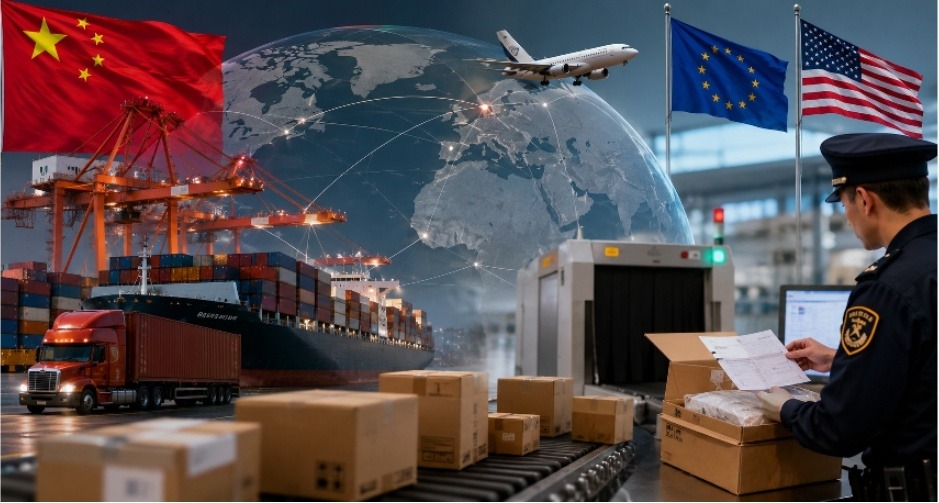
E‑commerce growth has caused a huge rise in low‑value parcels travelling from China into the U.S. and Europe. In 2023 the European Union alone received 4.6 billion small packages, over 90 % of which came from China. Policymakers say the existing system gave overseas sellers an unfair edge and made it harder to check packages for safety or to collect taxes.
In response, governments are closing loopholes and introducing new fees. These changes vary by region, but they all mean that small parcels from China are no longer waved through customs. Knowing the new rules can help online shoppers avoid unexpected costs and delays.
Europe: Ending the €150 Duty‑Free Rule
For years shoppers in the European Union enjoyed a €150 de minimis allowance—imports valued below this amount paid no customs duties. Finance ministers have agreed to end this exemption early in 2026 and replace it with a simplified flat customs fee. Proposals include a €3 duty per item category and mandatory IOSS registration for sellers. The temporary fee will apply from 1 July 2026 until a full customs overhaul is introduced in 2028.
Why it matters:
- Fairer competition: European retailers argue that the old exemption allowed overseas sellers to avoid duties and undercut local businesses.
- Better oversight: Customs authorities want to stop undervaluation and ensure consumer goods meet safety standards.
- More paperwork: Importers will need to classify goods correctly and update IT systems to handle the flat‑rate duty.
United States: Scrapping the $800 De Minimis for China
In the U.S. the $800 duty‑free allowance was one of the most generous in the world. However, in May 2025 the U.S. government eliminated this exemption for goods from China and Hong Kong. As a result, low‑value shipments now face a 54 % tariff or a $100 flat fee. Commercial carriers may collect a 30 % duty instead of the 145 % rate that applied previously.
Key points:
- Many more packages now pay duty: Nearly 60 % of duty‑free parcels entering the U.S. came from China. These parcels will no longer bypass customs.
- Higher consumer costs: Average low‑value shipments from China were valued at $54, so new fees could add significantly to final prices.
- Phase‑in period: The U.S. Postal Service has a six‑month phase‑in, but the rules already apply to Chinese and Hong Kong shipments.
Delivery Delays and New Fees
The surge of parcels and the new rules are causing backlogs and unpredictable transit times. Packages may clear Chinese export facilities quickly only to sit for days awaiting customs inspections abroad. Additional documentation and classification errors can trigger extra delays or fines. Even countries outside the EU and U.S. are adding fees; Romania has proposed a 25 lei (≈ $5.73) handling fee and Italy is considering a similar tax to protect its fashion sector.
These costs often get passed on to shoppers in the form of higher shipping charges or taxes at checkout. Budget‑friendly platforms that ship direct from Chinese factories may adjust their pricing or delivery methods to stay competitive. Some Chinese sellers are moving inventory to warehouses inside Europe or North America to avoid cross‑border charges altogether.
How to Adapt as a Shopper
- Check total costs before you order. Prices advertised on overseas platforms may not include duties or local taxes. Look for “Delivered Duty Paid” (DDP) options when available.
- Be prepared for longer transit times. Additional customs checks mean that a package that used to arrive in two weeks might now take three or four.
- Use tracking tools. Because parcels often change carriers as they cross borders, it’s helpful to track international shipments online through a unified dashboard rather than checking multiple carrier websites. This makes it easier to monitor delays and anticipate delivery dates.
- Consolidate your orders. Ordering multiple low‑value items separately could mean paying the flat fee multiple times. Consolidating purchases may reduce total duties.
- Support local alternatives. With overseas prices rising, local and regional sellers may become more competitive.
Looking Ahead: The Next Phase of Global Shipping
These customs reforms are part of a broader shift toward more regulated and digitised international trade. By 2028 the EU aims to launch a centralised customs data system, and U.S. policymakers are considering whether to tighten the de minimis rule for other countries. The era of nearly effortless cross-border shopping from Chinese platforms is fading, but consumers still have access to global goods; they just need to navigate a more complex landscape. Knowing the rules, budgeting for duties and using smart tracking tools will help ensure your parcels arrive on time and without unpleasant surprises.
Another interesting shift is that many Chinese sellers are already adapting by moving products into warehouses inside Europe and North America before customers even place orders. That’s why some items can still arrive surprisingly fast despite stricter customs rules. At the same time, customs authorities are paying much closer attention to cheap electronics, batteries and cosmetic products, which means inspections and delays may happen more often than before.
As governments close loopholes and update customs systems, cross-border e-commerce will continue to evolve. Shoppers and sellers who stay informed and adapt to new regulations will be better positioned to enjoy the benefits of global marketplaces in the years ahead.