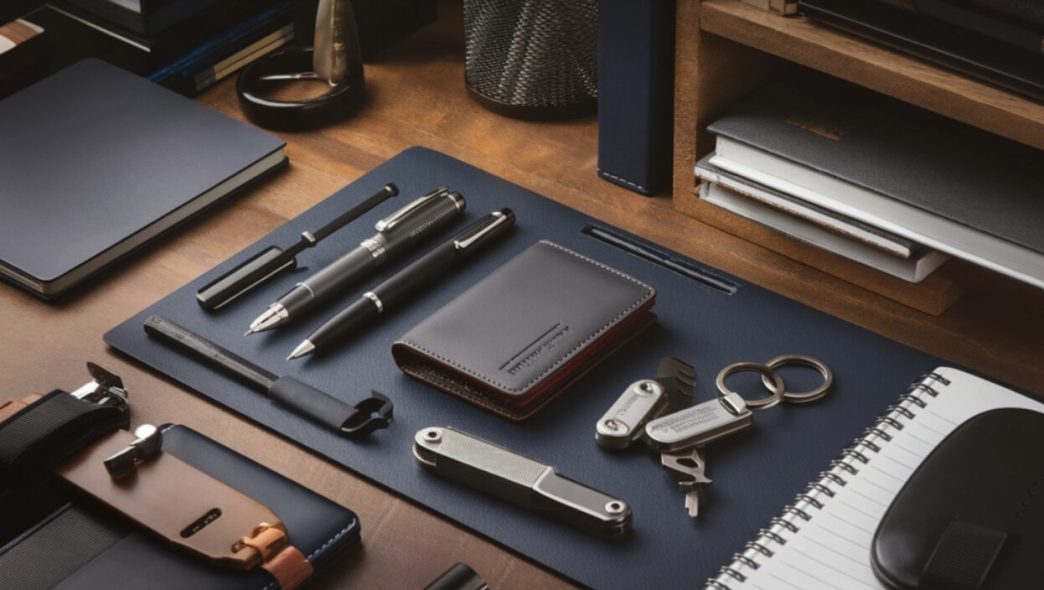
The mechanical pencil has evolved from a simple writing instrument into an essential tool for professionals who demand precision in their daily work. For engineers, digital artists, and designers, the right EDC mechanical pencil bridges the gap between analog sketching and digital execution—offering the tactile feedback of traditional drawing with the consistency modern workflows require.
Unlike disposable pens or wooden pencils that require constant sharpening, a quality mechanical pencil delivers uniform line weight and reliable performance. This consistency matters when translating hand-drawn concepts into CAD software, refining technical illustrations, or iterating on design ideas before committing them to digital formats. Understanding what separates a functional mechanical pencil from an exceptional one can fundamentally change how creative professionals approach their work.
From 19th Century Innovation to Modern Precision
The mechanical pencil emerged in the 1800s as a solution to the inefficiencies of wooden pencils. Early patents focused on creating a writing instrument that could advance lead mechanically, eliminating the need for knife-sharpening and providing more consistent results. These innovations fundamentally changed how technical professionals approached drafting and documentation.
Modern manufacturing combines traditional craftsmanship with precision engineering. The barrel, lead advancement mechanism, and grip are assembled to exacting tolerances—ensuring that each click advances the lead by exactly the same increment. High-end models incorporate materials like machined aluminum, brass, and engineered plastics that balance durability with comfortable weight distribution. This attention to detail transforms what could be a disposable tool into something worth carrying daily.
The evolution hasn’t stopped. Today’s mechanical pencils incorporate features like cushioned lead mechanisms that reduce breakage, retractable tips for pocket safety, and grip designs informed by ergonomic research. These refinements reflect decades of feedback from the professionals who rely on these tools most.
Why Mechanical Pencils Outperform Traditional Alternatives
The advantages of mechanical pencils extend beyond mere convenience. For professionals who spend hours sketching, drafting, or annotating, these benefits become tangible improvements in both output quality and physical comfort.
Key advantages include:
- Consistent line width: Unlike wooden pencils that dull with use, mechanical pencils maintain the same line thickness from first stroke to last—critical for technical drawings and precise illustrations.
- Ergonomic balance: The fixed weight distribution reduces hand fatigue during extended sessions.
- No sharpening interruptions: The creative flow remains unbroken, allowing designers to maintain focus during critical ideation phases.
- Precision lead sizes: Options ranging from 0.3mm to 0.9mm enable everything from fine detail work to bold sketching.
- Reduced waste: Only the lead is consumed, making mechanical pencils more sustainable than disposable alternatives.
These characteristics make mechanical pencils particularly valuable in fields where accuracy and repeatability matter. Engineers working on technical specifications, architects developing concept sketches, and digital artists refining character designs all benefit from tools that perform identically every time.
Selecting the Right Mechanical Pencil for Professional Use
Not all mechanical pencils are created equal. The difference between a basic office supply and a professional-grade EDC tool comes down to several critical factors that affect both performance and longevity.
Material construction determines durability. Metal-bodied pencils withstand the rigors of daily pocket carry better than plastic alternatives, though they add weight. Knurled grips provide secure handling even during long sessions, while cushioned lead mechanisms protect fine leads from snapping under normal writing pressure. For those seeking a balance of these features, options like Everyman, Rotring, and Staedtler combine machined construction with practical design elements — including knurled grips, cushioned lead mechanisms, and retractable tips — suited to everyday carry.
Lead size selection depends on intended use. Engineers and technical illustrators often prefer 0.5mm or 0.3mm leads for precise line work, while artists and designers might opt for 0.7mm or 0.9mm for sketching and shading. Some professionals carry multiple pencils with different lead sizes to handle various tasks throughout the day.
The advancement mechanism also matters. Click-advance systems are most common, but some high-end models use twist mechanisms or side-button designs that reduce the chance of accidental lead advancement. Retractable tips protect both the lead and your pockets, while fixed-sleeve designs offer better visibility for technical work requiring ruler guidance.
Weight and balance affect comfort during extended use. A pencil that feels perfect for quick notes might cause fatigue during a two-hour sketching session. Testing different weights and grip diameters helps identify what works best for your specific hand size and writing style.
Bridging Analog Sketching and Digital Workflows
Digital creativity doesn’t eliminate the need for traditional tools—it amplifies their value. The most effective design processes often begin with rapid sketching on paper before transitioning to software refinement. Mechanical pencils excel in this hybrid workflow, offering speed and flexibility that touchscreens and graphics tablets can’t quite replicate.
The physical act of sketching engages different cognitive processes than digital drawing. Handwriting and drawing activate brain regions associated with learning and memory more effectively than typing or digital input. For creative professionals, this means initial concepts developed with a mechanical pencil often have more depth and originality than those started directly in software.
Mechanical pencils also enable rapid iteration without the friction of digital tools. Sketching three variations of a logo concept takes seconds on paper but requires navigating layers, tools, and menus in design software. This speed advantage during the ideation phase allows designers to explore more possibilities before committing to digital development.
The integration works both ways. Pencil sketches can be photographed or scanned, then imported into programs like Adobe Illustrator, Procreate, or CAD software for refinement. This workflow preserves the spontaneity of hand-drawn work while leveraging digital tools for precision, color, and final production. Many professional illustrators and concept artists maintain this hybrid approach specifically because it combines the strengths of both mediums.
For technical fields, the benefits are equally clear. Engineers use mechanical pencils for initial calculations and diagram sketches before transferring concepts to CAD systems. The tactile feedback and visual immediacy of paper help identify design problems that might be missed when working exclusively on screen.
Making the Investment Count
The mechanical pencil represents more than a writing instrument—it’s an interface between thought and execution. For professionals whose work demands precision, whether in engineering specifications or creative exploration, the right tool removes friction from the creative process.
Choosing a mechanical pencil worth carrying daily means evaluating your specific needs. Consider the type of work you do most often, the environments where you’ll use the tool, and the balance between durability and weight that suits your preferences. A pencil that excels for technical drafting might not be ideal for field sketching, and vice versa.
The best approach is to experiment. Try different lead sizes, grip styles, and weights to discover what feels natural in your hand. Pay attention to how the pencil performs during extended sessions, not just initial impressions. A tool you’ll use for years deserves more consideration than a quick purchase decision.
As digital tools continue advancing, the value of tactile, immediate analog instruments only increases. The mechanical pencil endures because it solves fundamental problems that software cannot—providing a direct, unmediated connection between idea and expression. For anyone serious about their craft, finding the right EDC mechanical pencil isn’t an accessory decision. It’s an investment in how you think and create.