In an increasingly digital world, organizations are no longer confined to physical offices or centralized networks. Employees work from home, on the road, and across different time zones, all while accessing sensitive systems and data. This shift has created new challenges for maintaining safety and protecting valuable information. As a result, remote security has become a critical component of modern business operations. It ensures that distributed teams can operate efficiently while safeguarding systems, data, and users from evolving threats.
The Rise of Remote Work and Its Security Implications
Remote work has grown rapidly over the past decade, driven by advances in cloud computing, collaboration tools, and mobile technology. While this flexibility offers many benefits, it also expands the attack surface for cybercriminals. Instead of protecting a single office network, organizations must now secure multiple endpoints, devices, and connections.
Each remote worker introduces potential vulnerabilities. Personal devices, unsecured Wi-Fi networks, and inconsistent security practices can all increase risk. Without proper safeguards, sensitive company data may be exposed to unauthorized access. Remote security addresses these risks by implementing systems and protocols that extend protection beyond traditional office boundaries.
What Is Remote Security
Remote security refers to the strategies, technologies, and policies used to protect systems, networks, and data accessed outside of a centralized location. It encompasses everything from secure login methods to advanced threat detection tools. The goal is to ensure that employees can work remotely without compromising the organization’s security posture.
This approach combines multiple layers of protection. These include endpoint security, identity verification, network monitoring, and data encryption. Together, they create a comprehensive framework that defends against both external attacks and internal vulnerabilities.
Key Components of Remote Security
To maintain a safe and secure environment, remote security relies on several essential components. Each plays a unique role in protecting digital assets and ensuring operational continuity.
Secure Access Controls
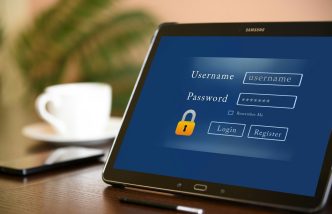
One of the most important aspects of remote security is controlling who can access systems and data. Strong authentication methods, such as multi-factor authentication, help verify user identities. Even if a password is compromised, additional verification steps prevent unauthorized entry.
Role-based access control further enhances security by limiting access to only what is necessary. Employees are granted permissions based on their job responsibilities, reducing the risk of accidental or intentional misuse.
Endpoint Protection
Remote employees often use laptops, smartphones, and tablets to access company systems. Each of these devices represents a potential entry point for attackers. Endpoint protection solutions monitor devices for suspicious activity, block malicious software, and ensure that security updates are applied regularly.
By securing endpoints, organizations can prevent threats from spreading across networks. This is especially important in remote environments where devices may connect from various locations and networks.
Data Encryption
Data is one of the most valuable assets for any organization. Remote security ensures that sensitive information is protected both in transit and at rest. Encryption transforms data into unreadable formats that can only be accessed with the correct keys.
This means that even if data is intercepted during transmission, it remains secure. Encryption is particularly important when employees access company resources over public or unsecured networks.
Virtual Private Networks
Virtual private networks, commonly known as VPNs, create secure connections between remote users and company systems. They encrypt internet traffic and mask user locations, reducing the risk of interception or tracking.
VPNs are a foundational element of remote security because they provide a safe pathway for data exchange. They help maintain confidentiality and integrity even when users connect from less secure environments.
Continuous Monitoring and Threat Detection
Cyber threats are constantly evolving, making it essential to monitor systems in real time. Remote security solutions include tools that detect unusual behavior, identify potential breaches, and respond quickly to incidents.
Advanced systems use artificial intelligence and machine learning to analyze patterns and predict threats before they occur. This proactive approach helps organizations stay ahead of attackers and minimize damage.
Benefits of Remote Security for Organizations
Implementing strong remote security measures offers numerous advantages beyond basic protection. It enables organizations to operate more efficiently while building trust with employees and customers.
Enhanced Flexibility and Productivity
With secure systems in place, employees can work from anywhere without compromising safety. This flexibility improves productivity and supports a better work-life balance. Teams can collaborate seamlessly across locations while maintaining secure access to resources.
Reduced Risk of Data Breaches
Data breaches can have serious consequences, including financial losses and reputational damage. Remote security reduces these risks by implementing multiple layers of defense. By protecting endpoints, networks, and user identities, organizations can prevent unauthorized access and data leaks.
Compliance with Regulations
Many industries are subject to strict data protection regulations. Remote security helps organizations meet these requirements by ensuring that sensitive information is handled securely. This includes maintaining audit trails, enforcing access controls, and protecting data integrity.
Cost Efficiency
While implementing remote security requires investment, it can lead to long-term cost savings. Preventing security incidents reduces the need for costly recovery efforts and legal actions. Additionally, remote work can lower overhead expenses related to office space and infrastructure.
Challenges in Implementing Remote Security
Despite its benefits, remote security also presents challenges that organizations must address. Understanding these obstacles is key to building an effective strategy.
Managing Diverse Devices and Networks
Remote employees use a wide range of devices and connect through different networks. This diversity makes it difficult to enforce consistent security standards. Organizations must implement solutions that can adapt to various environments while maintaining strong protection.
User Awareness and Training
Human error remains one of the leading causes of security breaches. Employees may fall victim to phishing attacks, use weak passwords, or neglect security protocols. Remote security requires ongoing education and training to ensure that users understand their role in maintaining safety.
Balancing Security and Usability
Strong security measures can sometimes create friction for users. Complex authentication processes or restricted access may hinder productivity. Organizations must strike a balance between security and usability to ensure that employees can work efficiently without compromising protection.
Best Practices for Strengthening Remote Security
To build a robust remote security framework, organizations should follow proven best practices that address both technical and human factors.
Implement Zero Trust Principles
The zero-trust model assumes that no user or device should be trusted by default. Every access request is verified before granting permission. This approach minimizes risk by continuously validating identities and monitoring activity.
Use Strong Authentication Methods
Multi-factor authentication should be a standard requirement for all remote access. Combining passwords with additional verification methods significantly enhances security.
Keep Systems Updated
Regular updates and patches are essential for protecting against known vulnerabilities. Organizations should ensure that all devices and software are kept up to date.
Educate Employees
Training programs should teach employees how to recognize threats and follow security best practices. Awareness is a critical component of effective remote security.
Monitor and Respond to Threats
Continuous monitoring allows organizations to detect and respond to incidents quickly. Having a clear incident response plan ensures that threats are handled quickly and effectively.
The Future of Remote Security
As technology continues to evolve, remote security will become even more sophisticated. Emerging trends such as artificial intelligence, biometric authentication, and advanced analytics will enhance protection and streamline security processes.
Organizations will increasingly adopt integrated security platforms that provide centralized control and visibility. These systems will enable faster responses to threats and more efficient management of distributed environments.
At the same time, the importance of user education and awareness will remain constant. Technology alone cannot prevent all risks. A combination of advanced tools and informed users is essential for maintaining a safe and secure environment.
Conclusion
Remote work is here to stay, and with it comes the need for strong and adaptable security measures. Remote security plays a vital role in protecting systems, data, and users in a distributed environment. By implementing comprehensive strategies that include secure access controls, endpoint protection, encryption, and continuous monitoring, organizations can create a safe and secure workplace regardless of location.
While challenges exist, they can be addressed through thoughtful planning, user education, and the adoption of modern security practices. As threats continue to evolve, so too must the approaches used to defend against them. By prioritizing remote security, organizations can confidently embrace the benefits of remote work while maintaining the highest standards of safety and protection.