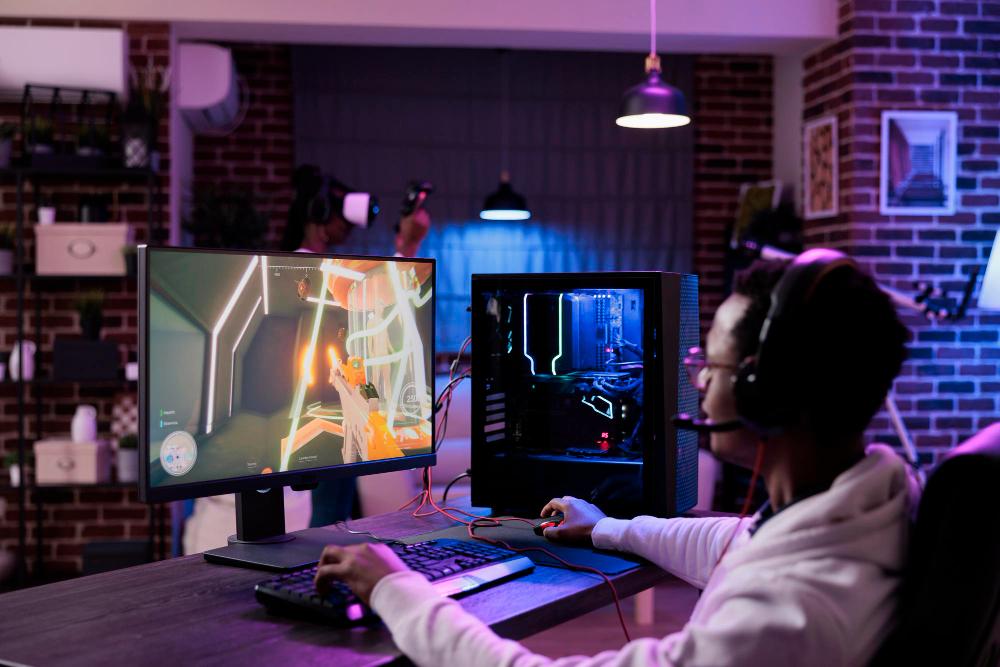
There was a time when PC gaming felt like a solitary hobby, defined by long sessions, offline campaigns, and the occasional LAN party. That version still exists, but it no longer tells the full story. Today, the perfect PC gaming experience is as much about connection as it is about performance. Streaming has reshaped how games are played, discovered, and even designed, turning what was once a personal pastime into a shared digital stage.
Platforms like Twitch and YouTube Gaming have pushed PC gaming into a new era of visibility. Instead of playing behind closed doors, gamers now broadcast their sessions to global audiences in real time. This shift has created an entirely new layer of engagement. Players are no longer just participants; they are performers, educators, and entertainers. Viewers tune in not only to watch gameplay but to interact, learn strategies, and become part of a community built around a shared interest.
This evolution has had a direct impact on how games are built. Developers now think about “watchability” just as much as playability. Fast-paced mechanics, unpredictable moments, and visually engaging worlds are all part of the appeal. Games that generate strong reactions or unexpected outcomes thrive in streaming environments because they keep audiences hooked. Many times, a title’s success can hinge on whether it captures attention during live broadcasts.
Streaming has also changed how players improve. Instead of relying solely on tutorials or trial and error, gamers can watch skilled players in real time, picking up techniques and insights as they go. It has turned gaming into a more accessible space, especially for newcomers trying to understand complex systems or competitive play styles. The barrier to entry feels lower when you can observe and interact with experienced players instantly.
The rise of streaming has created a new influencer. Streamers have become powerful voices in the industry, capable of shaping trends and driving sales. A single viral stream can turn an unknown indie title into a global hit overnight. This has shifted marketing strategies, with developers increasingly collaborating with creators to showcase games in authentic, unscripted ways that resonate more with audiences, with some industry leaders running gaming giveaways.
Interestingly, this influence goes beyond traditional gaming. Live casino games are another example where streaming has made a vast difference, bringing real-time interaction, live dealers, and a social atmosphere into what was once a purely digital experience. It mirrors the same appeal seen in PC gaming streams, where authenticity and immediacy draw people in and keep them engaged.
Of course, this unfamiliar landscape is not without its challenges. The pressure to constantly stream and entertain can lead to burnout, while the sheer number of creators makes it harder for newcomers to stand out. Still, these hurdles have not slowed the momentum. If anything, they highlight just how central streaming has become to modern gaming culture.
The perfect PC gaming setup today is not just about high-end hardware or ultra settings. It is about connectivity, community, and the ability to share experiences in real time. Whether you are playing, watching, or streaming yourself, the lines between gamer and audience continue to blur, and that is exactly what makes this era so compelling.