Water doesn’t wait for permission. It seeps, builds pressure, finds weak spots, and shows up when you’re least in the mood to deal with it. That’s why sump pump installation in Toronto, ON, isn’t something homeowners talk about for fun; it’s something they look into after one close call with a wet basement. A good sump system isn’t flashy. It just works quietly in the background, keeping groundwater from turning into repairs you didn’t budget for. Let’s break this down in plain terms.
1. Why Basements Flood Even When Nothing “Looks” Wrong
A lot of people assume flooding only happens in extreme storms. Not true. Most basements take on water because the soil around the home becomes saturated. When that soil holds too much moisture, pressure builds against your foundation walls. Concrete isn’t invincible. Small cracks, tiny gaps, weak mortar, that’s all water needs. Sometimes you won’t see standing water at first. Instead, you’ll notice damp smells, slight discoloration along the bottom of walls, or that sticky humidity feeling after heavy rain. That’s an early warning. Ignore it long enough, and the problem grows. A sump pump gives that water somewhere else to go before it pushes inside.
2. What Really Happens During Installation
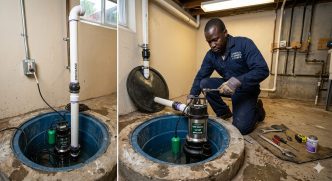
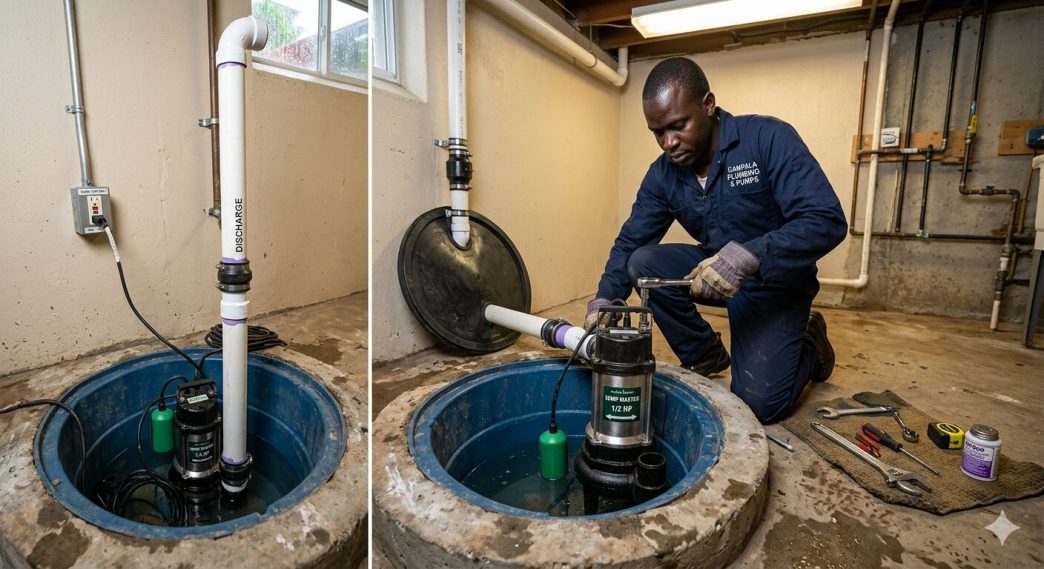
People imagine a pump just being dropped into a hole. It’s not that casual. First, the lowest point of the basement floor is identified. That’s where a pit is cut into the concrete. Gravel goes in at the base so water can drain properly into the basin. Then the pump sits inside that pit, connected to a discharge line that carries water away from the house. Placement of that discharge line matters more than most realize. If it empties too close to the foundation, the water simply cycles back toward the house. That defeats the whole purpose. There’s also a check valve installed in the line. It stops water from flowing backward after it’s been pumped out. Small component. Big difference. When installed properly, the system runs automatically, and you barely notice it.
3. Signs You Shouldn’t Ignore
If your basement smells damp after rain, pay attention. If you see faint water stains along walls, pay attention. If your pump runs constantly or makes unusual sounds, definitely pay attention. In some situations, the issue isn’t just groundwater. Drain lines around the property can clog or shift over time. That’s where pipe inspection services in Toronto, ON, come into play. A small camera is sent through the line to check for blockages, cracks, or tree root intrusion. It removes guesswork and shows what’s really going on underground. Catching problems early is far less expensive than repairing soaked drywall and flooring later.
4. Backup Systems: The Part Most People Skip
Here’s something that happens more often than people expect. Big storm. Heavy rain. Power outage. Your main pump depends on electricity. If power goes out, so does your protection. That’s why battery backup systems matter. They activate when the main system shuts down. Some homes also use water-powered backups as a secondary layer. You don’t need to obsess over it. Just test the system a couple of times a year. Pour water into the pit. Watch it activate. Confirm everything responds the way it should. Simple check. Major peace of mind.
5. Maintenance Isn’t Complicated
A sump pump doesn’t demand much, but ignoring it completely isn’t wise. Once a year, lift the lid and check for debris in the pit. Make sure the float switch moves freely. Step outside and confirm the discharge line is clear and directing water away from the foundation. Also, take a look at the grading around your home. Soil should slope outward, not inward. Downspouts should extend several feet away from the house. These small adjustments reduce strain on your system. Think of it like routine upkeep. Not dramatic. Just smart.
A dry basement isn’t luck. It’s preparation. Groundwater pressure doesn’t announce itself before causing damage, and waiting for visible flooding usually means you waited too long. A properly installed and maintained sump system quietly handles what you don’t see, protecting your structure and everything stored below ground level. Taking action early costs less, stresses you less, and keeps your home functioning the way it should, dry, solid, and stable through every season.
If you want your basement protected before the next heavy rain hits, call Everest Drain & Plumbing at 416-383-7378. A clear plan now can prevent expensive repairs later. Make the move before water makes it for you.
FAQs
- How often should a sump pump be checked in Toronto, ON?
In Toronto, ON, it’s smart to inspect your sump pump at least twice a year, usually before the spring thaw and before heavy fall rain. Regular testing helps confirm it activates properly and drains water away from your foundation.
- Can a sump pump fail without warning?
Yes, especially if it hasn’t been maintained. Float switches can stick, discharge lines can clog, and motors can wear out over time. That’s why periodic testing and basic cleaning are important to avoid sudden failure during storms.