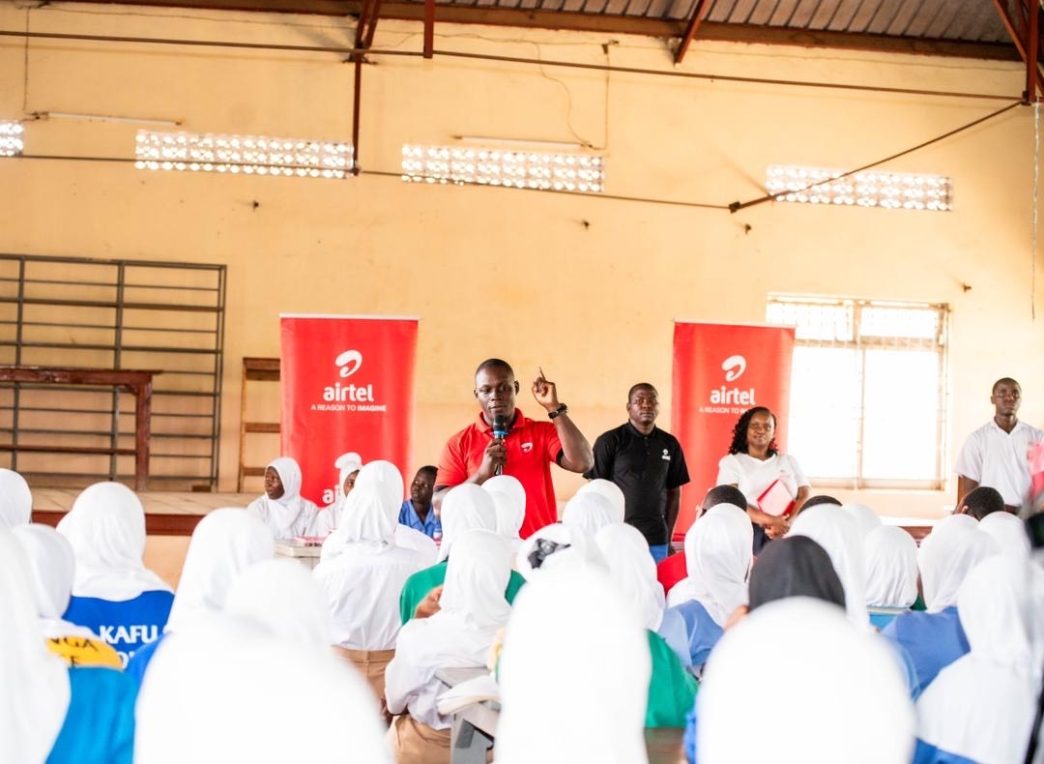
Airtel Uganda has committed to continuing to invest in technologies that make the internet a safe place for every child, as part of its efforts to protect children against online harassment. This commitment was made during a virtual discussion on cyberbullying and online safety for children, held in commemoration of World Children’s Day.
The event brought together multiple stakeholders, including Sauti 116, Safe Spaces Uganda, the National Information Technology Authority – Uganda, Airtel Uganda, teachers, and learners, to discuss the prevalence of bullying among children and its adverse effects.
Andihihi Amos, a Senior One student at Rwamurunga Community Secondary School in Isingiro district, recounted how an S.5 student ordered him to fetch water. Before he could do so, the jerrycan was stolen, resulting in slaps from the S.5 student. He reported the case to authorities, leading to the expulsion of the bully, but Andihihi expressed fear of retaliation from other students for speaking out.
Another participant, who preferred to remain anonymous, shared how she was nicknamed “Kiwi” (shoe polish brand) because of her skin color, which affected her psychologically.
Smark Ssengendo, the Program Officer for Prevention and Response to Online Child Sexual Exploitation and Abuse at Sauti 116, explained that children experience bullying through physical attacks, verbal insults, cyberstalking, public shaming, and other forms. Many victims, he noted, are not heard when they report incidents, which violates their right to protection. Ssengendo also highlighted the bystander dilemma, where witnesses to bullying fail to report cases, inadvertently protecting the bully.
“Children must be empowered to see reporting as an act of courage and solidarity, not ‘snitching.’ This requires providing anonymous and confidential reporting channels, like the 116 helpline or school suggestion boxes, and fostering a culture of empathy where children are motivated to stand up for one another,” he said.
Angela Lawino, a psychologist and PRO at Safe Spaces Uganda, underscored the challenges children face in trusting authorities when reporting bullying. “Some children are bullied but fear reporting incidents to authorities, who sometimes bully them as well. Some children will change their behavior but not explain why, due to fear and insecurity,” she said. Lawino urged teachers, parents, and guardians to observe behavioral changes in children and intervene before situations escalate.
Geraldine Mugumya, Risk Analyst for Information Security at NITA Uganda, highlighted NITA’s role in coordinating child online protection initiatives, which includes working with partners to identify policy gaps and create awareness materials for parents, teachers, and children. He called on Internet Service Providers (ISPs) to implement safety features, such as content filters for school internet, to protect children from cyber harassment.
He also advised internet users to be mindful of what they share online, adjust privacy settings on children’s accounts, use tools like Google Family Link for monitoring, and secure devices with passwords to safeguard against digital threats.
David Birungi, Public Relations Manager at Airtel Uganda and moderator of the session, reiterated Airtel’s commitment to children’s digital safety through innovative technologies. “We shall continue investing in technologies that protect users, such as the AI-driven spam alerts we recently launched, among others in the pipeline to promote internet safety for users,” he said.
Section 24 of the Computer Misuse Act, as amended in 2022, criminalizes cyber harassment, where any convict is liable to a fine not exceeding seventy-two currency points (about UGX1,440,000), or to imprisonment for a term not exceeding three years, or both.
See also: Computer Misuse Act – What you need to know
A 2021 Disrupting Harm study by UNICEF, ECPAT, and INTERPOL found that 40% of Ugandan children aged 12–17 are internet users, and more than half go online daily. The 2022 CIPESA report shows that among these young users, 20% have suffered cyberbullying, 33% cyberstalking, and 11% harassment.