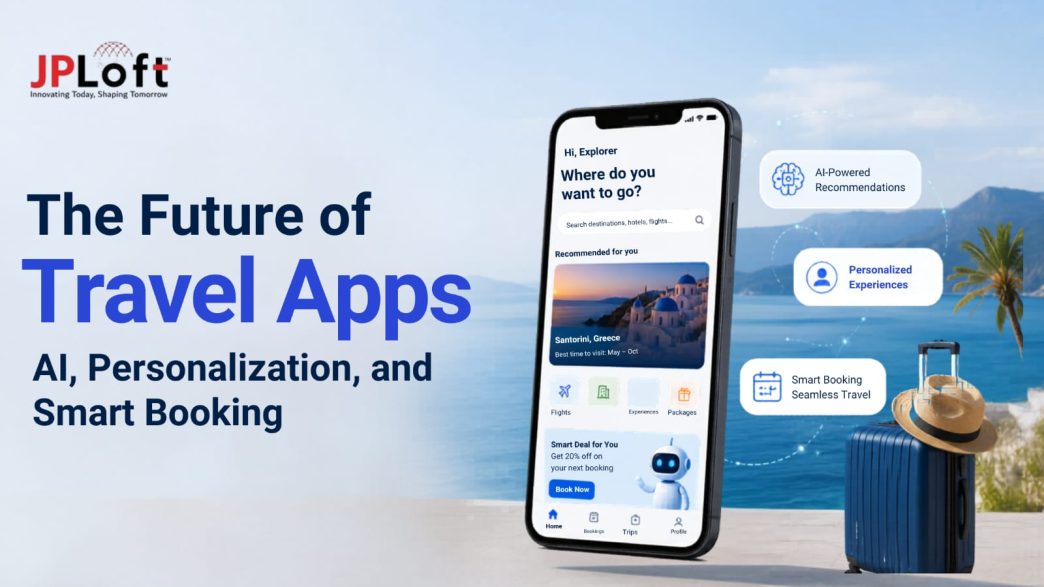
Travel has become more digital than ever before. From researching destinations to comparing hotel prices and booking flights, people now expect every step of their journey to be quick, convenient, and personalized.
As traveler expectations continue to evolve, businesses are rethinking how travel applications can deliver smarter experiences rather than simply offering booking functionality. Emerging technologies are transforming every aspect of the travel ecosystem.
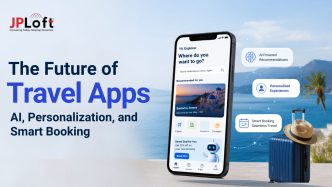
This makes the travel apps more intelligent, predictive, and user-centric. Looking ahead, artificial intelligence, personalization, and smart booking capabilities are set to redefine how people plan, experience, and enjoy travel across the globe.
AI Is Redefining the Travel Experience
Artificial intelligence has moved far beyond simple chatbots. Modern travel platforms now leverage AI to understand user preferences, anticipate travel needs, and automate complex decision-making. Businesses investing in travel app development services are integrating advanced AI capabilities.
Creating highly engaging user experiences while improving operational efficiency. Instead of presenting identical search results to every traveler, AI analyzes browsing history, previous bookings, seasonal interests, spending patterns, and preferred travel styles.
A business traveler may instantly receive recommendations for hotels near conference venues, while a family planning a vacation might see child-friendly resorts and activity packages.
AI also improves customer support through virtual assistants capable of handling itinerary changes, answering questions, and resolving issues around the clock. This reduces operational costs while ensuring travelers receive immediate assistance regardless of time zone.
Building Smarter Travel Apps for Tomorrow
As user expectations continue to rise, businesses must focus on creating intelligent applications rather than simple booking platforms. Understanding how to create a travel app now involves integrating predictive analytics, automation, machine learning, and scalable cloud infrastructure from the very beginning.
Modern travel applications require much more than attractive interfaces. They need intelligent recommendation engines, secure payment gateways, real-time inventory management, multilingual support, and seamless third-party integrations.
Developers are increasingly designing modular architectures that allow AI models to improve continuously based on user behavior. This creates applications that become smarter over time, increasing user satisfaction and encouraging repeat bookings.
Rise of Hyper-Personalization
Personalization has become one of the strongest competitive advantages in the travel industry. Today’s travelers no longer want generic travel packages; they expect experiences tailored specifically to their interests.
Modern travel apps gather data from multiple sources, including browsing behavior, booking history, preferred airlines, accommodation choices, weather conditions, loyalty programs, and even social media activity. This information allows applications to recommend highly relevant travel experiences.
For example, an adventure enthusiast may receive suggestions for trekking destinations and outdoor excursions, while luxury travelers are presented with premium resorts, private transfers, and exclusive dining experiences.
Hyper-personalization also extends to communication. Notifications, promotional offers, travel reminders, and destination updates are customized according to each user’s travel habits, increasing engagement without overwhelming users with irrelevant information.
Smart Booking Is Changing Customer Expectations
Booking a trip is no longer limited to selecting flights and hotels. Smart booking systems now simplify the entire planning process using automation and intelligent recommendations.
AI-powered booking engines compare thousands of pricing combinations within seconds, helping users find better deals while considering factors such as baggage fees, layover duration, cancellation policies, and traveler preferences.
Dynamic pricing algorithms also play an important role. They monitor demand, competitor pricing, seasonal fluctuations, and historical trends to recommend the best booking times.
Some advanced travel apps even notify users when airfare is expected to decrease or suggest alternative airports that could significantly reduce travel costs.
These intelligent booking capabilities help travelers save money while making faster and more informed decisions.
Predictive Analytics Will Drive Better Travel Decisions
Predictive analytics is becoming an essential component of next-generation travel applications.
By analyzing historical travel data alongside real-time information, AI can predict travel demand, flight delays, weather disruptions, hotel occupancy, and customer behavior.
For travelers, this means receiving proactive alerts before problems occur. Instead of discovering delays at the airport, users receive notifications hours in advance along with alternative travel options.
Businesses benefit as well. Airlines can optimize seat availability, hotels can improve occupancy forecasting, and travel agencies can offer targeted promotions based on expected customer demand.
These predictive capabilities create smoother travel experiences while increasing operational efficiency across the industry.
Voice AI and Conversational Search
Typing long travel queries may soon become less common as voice-enabled search continues gaining popularity.
Travelers increasingly prefer asking natural questions, such as:
- Find me affordable beach resorts in Thailand next month.
- Book a direct evening flight to Singapore.
- Show family-friendly hotels near Disneyland.
AI-powered voice assistants understand conversational language, making travel planning significantly faster.
Combined with natural language processing, voice technology enables users to modify bookings, check flight status, and reserve transportation. They can also receive destination recommendations using simple voice commands.
As smart speakers and wearable devices become more common, conversational interfaces will likely become a standard feature in travel applications.
Real-Time Decision Making Through AI
Travel conditions can change within minutes. Flights get delayed, weather changes unexpectedly, hotels become fully booked, and transportation schedules shift.
Future travel applications will rely heavily on real-time AI processing to respond immediately to these situations.
Instead of simply notifying users about disruptions, intelligent systems will automatically suggest nearby hotels, recommend alternative transportation, rebook connecting flights, or provide updated itineraries.
Real-time decision engines reduce travel stress while improving customer satisfaction throughout the journey.
Sustainability Will Become Smarter
Environmental awareness is influencing travel decisions more than ever before.
Modern travelers increasingly consider carbon emissions, eco-friendly accommodations, and sustainable transportation when planning trips.
AI helps support sustainable travel by recommending greener transportation options, identifying environmentally certified hotels, optimizing travel routes to reduce emissions, and encouraging responsible tourism practices.
Travel apps may soon calculate the environmental impact of every itinerary, allowing users to compare sustainable alternatives before booking.
This combination of technology and sustainability supports both responsible travel and long-term environmental goals.
Enhanced Security Through Artificial Intelligence
As digital bookings continue growing, cybersecurity becomes increasingly important.
AI-powered fraud detection systems analyze thousands of behavioral signals in real time to identify suspicious transactions before they are completed.
Machine learning algorithms can detect unusual login attempts, payment fraud, fake bookings, identity theft, and account takeovers more accurately than traditional security systems.
Biometric authentication, facial recognition, fingerprint verification, and behavioral analysis further strengthen account protection while maintaining a smooth user experience.
These technologies help establish greater trust between travel businesses and their customers.
Conclusion
The future of travel apps extends far beyond online reservations. Intelligent automation, predictive analytics, hyper-personalization, voice interaction, and smart booking are transforming travel into a seamless digital experience.
Businesses that embrace these innovations today will be better positioned to meet evolving customer expectations tomorrow. Travelers will enjoy faster planning, personalized recommendations, proactive support, enhanced security, and more meaningful journeys from start to finish.
As AI continues advancing, travel apps will become trusted digital companions. It will gain the capability to understand user preferences, anticipate challenges, and simplify every stage of the travel experience. The companies that invest in intelligent, user-focused innovation today will shape the future of global travel for years to come.