If you think the toxic banter in your premier match is peak Counter-Strike, you clearly never experienced the raw, unhinged chaos of a LAN cafe in the early 2000s. Decades have passed, the graphics engine changed entirely, and the tactical meta evolved, but one question still divides the tactical shooter world: where does the true soul of the franchise live? Whether you are a veteran who remembers configuring your config file by hand or a modern grinder obsessed with sub-tick ratings, the clash between the two most popular versions of the franchise is impossible to ignore. CS 1.6 and CS 2 stand as the two monumental pillars of this legendary universe, each anchoring a massive, fiercely loyal player base with completely different definitions of what makes the perfect shooter.
The Birth of the Legend: Why CS 1.6 Will Never Die
To understand the modern dynamic, you have to look back at how the Counter-Strike 1.6 community was forged. Back then, there was no automated matchmaking, no global ranks, and zero weapon skins to grind for. You found a server through a messy server browser, bookmarked your favorites, and actually talked to people. The community built itself from the ground up because players had to run their own infrastructure.
Even today, the community keeps the fire burning bright. In fact, if you look at the landscape of Counter Strike 1.6 2026, you will see a fascinating phenomenon: a dedicated, hyper-active network of players, modders, and server owners who refuse to let this legendary masterpiece fade into obscurity. This community does not rely on corporate updates. They support the game out of pure passion, maintaining global master servers, organizing grassroots tournaments, and preserving an era where raw aiming skill and movement mechanics mattered more than any battle pass.
The CS 2 Community: The Legacy of CS:GO and the New Digital Era
On the other side of the map stands CS 2, inheriting a massive, fast-paced ecosystem from CS:GO. The modern community is hyper-connected, deeply analytical, and incredibly competitive. Here, your status is not defined by being a regular on a local server, but by your CSR rating, your Faceit level, and the complexity of your inventory.
The transition to the Source 2 engine brought in a wave of younger, tech-savvy players who consume content at a lightning pace. This is a digital era dominated by statistical analysis, pro-scene drama, and a fast-moving skin economy. While the veteran iconic tactical feel remains, the community vibe has shifted from a tight-knit neighborhood club to a massive, global stadium. It is loud, it is high-stakes, and it moves fast, forcing you to constantly adapt to new metas and patch notes.
Where the Action Happens: Community Servers Compared
If you want to feel the true pulse of both games, you have to look at where the matches actually take place. This is where the two worlds showcase their most profound differences in philosophy.
The Lifeblood of CS 1.6
In the classic version, community servers are not just a side feature – they are the entire game. You do not click a “Find Match” button and wait in a queue. Instead, you jump into custom-modded servers that have been curated by passionate admins for years. The variety is absolutely chaotic and addictive:
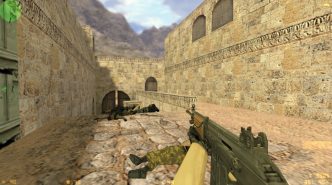
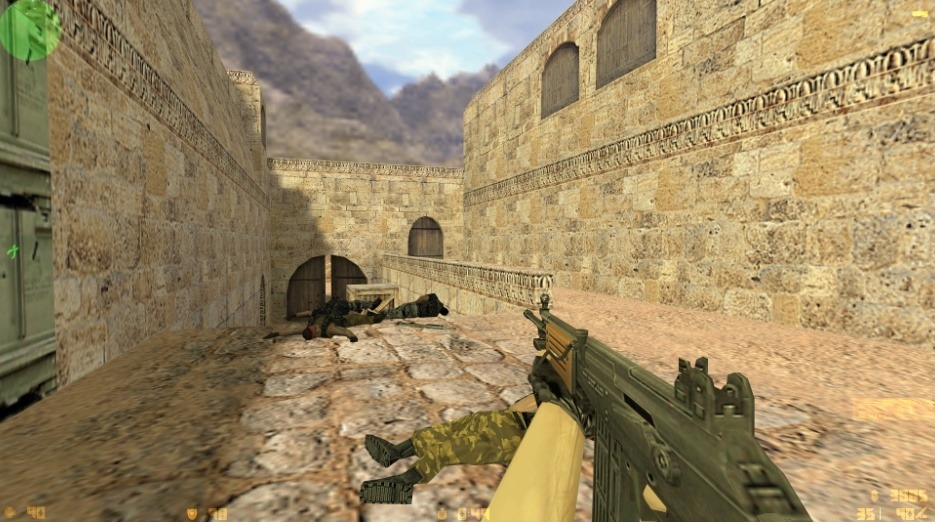
- Public Casual Servers: 32-player bloodbaths on de_dust2 where the chat is a mix of music, jokes, and intense callouts.
- Classic War Servers: Where competitive 5v5 rules still apply, running classic plug-ins that track your long-term stats.
- Custom Game Modes: GunGame, Deathmatch, Zombie Plague, and the incredibly complex HNS (Hide and Seek) maps that push the game’s movement engine to its absolute limits.
The impact of the community here is absolute. Without these independent server owners running custom anti-cheat plugins and hosting global networks, the game simply wouldn’t exist today.
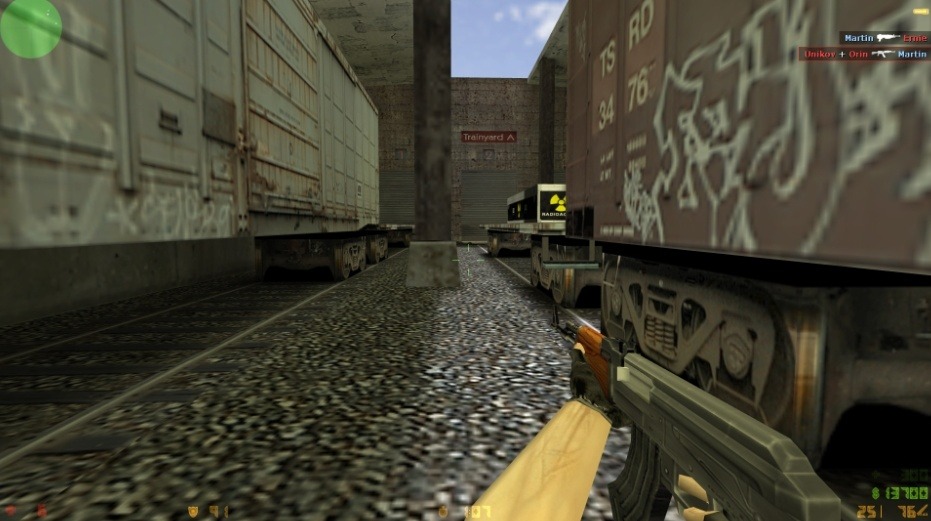
The Changing Landscape of CS 2
In CS 2, Valve takes the driver’s seat with official Premier and Competitive modes. However, community servers still play a vital role, drawing direct inspiration from the foundations laid by the older generation.
While the modern interface makes finding custom servers a bit more buried than it used to be, the community has fought hard to replicate the classic experience. You can easily find high-tickrate Deathmatch hubs, surf networks, and retake servers designed to sharpen your skills. The similarity to the old days is striking – you still see the same dedication from server hosts trying to provide custom plug-ins for community members. However, the overall influence is different. In the modern version, community servers serve as a training ground or a casual escape from the stressful ranked ladder, whereas in the classic version, they are the main stage.
Map Making and Custom Content: Who is More Active?
The creativity of the community has always been the secret weapon of the franchise. Both eras boast incredible mapping scenes, but the tools and output styles vary wildly.
For the classic engine, map making is an art form of optimization. Even now, custom creators are pumping out fresh maps, balancing low polygon counts with creative texturing. Because the engine is so accessible, anyone with a basic editor can create a working battlefield. The community is incredibly active, regularly releasing remastered versions of modern maps downscaled into the classic engine, ensuring that the visual experience never feels completely stagnant.
In CS 2, the Source 2 SDK has turned map making into a Hollywood-grade production. The level of detail, realistic lighting, and physics integration allow community creators to build stunning, photorealistic environments. The Steam Workshop is absolutely flooded with creative aim maps, cooperative challenges, and gorgeous competitive layouts. While the barrier to entry is higher due to the complex software requirements, the community’s activity is massive, driven by the dream of having their map officially recognized and added to an official operation pool.
System Requirements and the Windows Battleground
Here is where the practical side of gaming kicks in, and the contrast between corporate dependence and community self-reliance becomes glaringly obvious.
When it comes to running the classic game on modern hardware, you will immediately notice that official development stopped long ago. That is why the community stepped up to ensure seamless CS 1.6 Windows 11 compatibility. Because the core game can struggle with modern OS architectures and high-refresh-rate monitors straight out of the box, the community builds and maintains adaptive, optimized versions of the client. These custom-tailored builds include built-in mouse fix protocols, updated openGL renderers, and frame-rate stabilizers, allowing you to enjoy flawless performance on the latest operating systems without jumping through technical hoops.
With CS 2, you are entirely under the umbrella of Steam. Valve actively develops, optimizes, and updates the game to utilize the latest features of modern hardware. You need a solid CPU and a DirectX 12 compatible graphics card to survive the heavy smoke volume calculations and advanced physics. While this ensures a cutting-edge visual experience, it means you are tied directly to official system requirements, leaving older hardware behind in the name of technical progress.
The Future: Where Do We Go From Here?
The future for both communities looks incredibly bright, yet completely distinct. The classic crowd will continue to thrive in its beautiful, decentralized ecosystem. It has survived for over two decades because it is independent, lightweight, and deeply personal. It will remain an immortal haven for purists who love raw mechanical skill and nostalgia. Meanwhile, the modern player base will continue to expand alongside the massive esports industry, pushing the boundaries of competitive shooters and digital item economies.
No matter which side of the river you stand on, the legacy of this franchise belongs to the people who play it. If you miss the raw connection of dedicated server communities, the tactical purity of classic aiming, and an incredibly optimized client that runs perfectly on modern setups, it is time to take action. Fire up a fresh, community-optimized client, dive into the classic server browser, find a high-ping room full of passionate players, and experience the timeless magic that started it all!