Sarah spent three months applying for senior marketing roles. Strong resume. Ten years experience. Perfect qualifications.
Zero interviews.
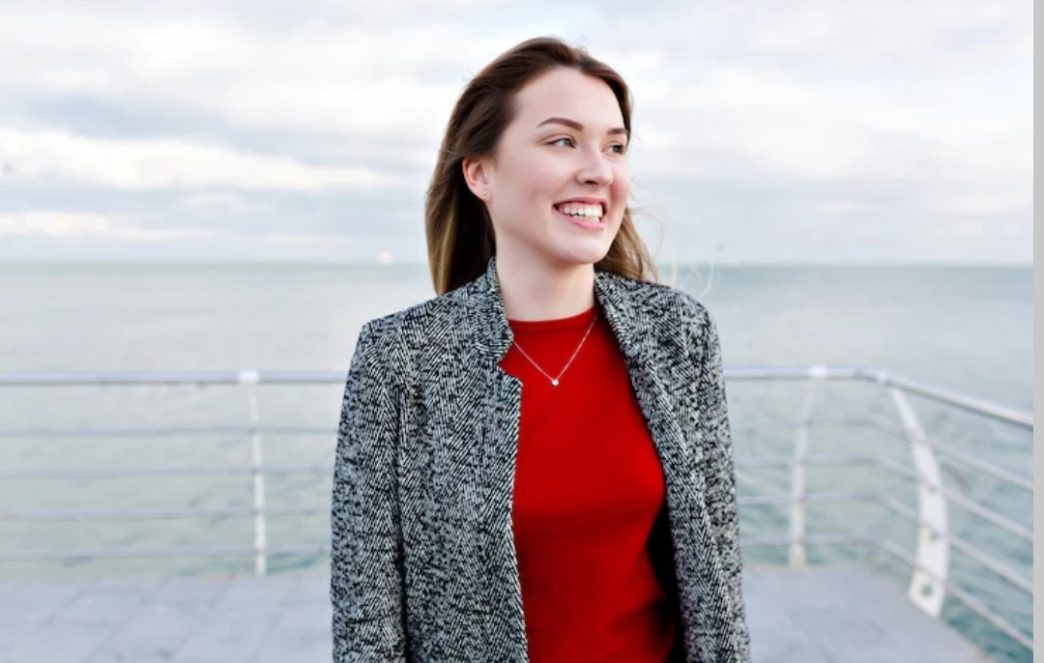
Her recruiter finally asked to see her LinkedIn profile. One look at the photo—a dim, pixelated image from her cousin’s backyard BBQ in 2018—and everything clicked. “Your profile looks like you’re not actually looking for work,” he said. “Like this is just a placeholder account.”
She booked a professional headshot session the next day. Updated her photo that evening. Had two interview requests within 72 hours.
Was it really just the photo? Probably not entirely. But here’s what the photo did: it signaled that she was serious, current, and professional. It removed doubt. And in competitive job markets, removing doubt matters more than we’d like to admit.
What Your Current Photo Is Actually Saying About You
Let’s decode what different photo choices communicate, whether you intend these messages or not:
The 5+ year old photo where you look noticeably younger: Intended message: “I looked good then!” Actual message: “I haven’t updated anything professional about myself in years. What else in my career is outdated?”
The cropped group shot from a party: Intended message: “I clean up nice when I need to.” Actual message: “I don’t take professional contexts seriously enough to invest 30 minutes in a proper photo.”
The perfectly filtered, heavily edited selfie: Intended message: “I look polished and attractive.” Actual message: “What I look like matters more to me than authenticity. Also, I might look completely different in person.”
No photo at all: Intended message: “I’m private/mysterious/focused on substance.” Actual message: “I’m either a bot, not actually using this platform, or have something to hide.”
The gap between intent and perception isn’t fair. But it’s real. And ignoring reality doesn’t make it disappear.
The Three-Second Rule Nobody Warned You About
Research from Princeton found that people form first impressions in just 100 milliseconds. By three seconds, those impressions are basically locked in.
Your headshot gets evaluated even faster than an in-person meeting because there’s no handshake, no small talk, no context to soften the snap judgment. Just: photo → brain → instant assessment → move on or engage.
What gets assessed in those three seconds?
- Trustworthiness (facial symmetry, direct eye contact, genuine expression)
- Competence (quality of photo itself, appropriateness of setting/clothing)
- Likability (approachability in expression, warmth in eyes)
- Status (production quality, background choice, overall polish)
You can’t control that these assessments happen. But you can control what impression your photo creates when they do.
Why Melbourne’s Job Market Makes This Even More Critical
Melbourne’s professional landscape has specific characteristics that amplify headshot importance:
The market is competitive. For senior roles, you’re competing with hundreds of qualified candidates. Anything that creates negative differentiation—including a poor photo—becomes a screening filter.
Industries are image-conscious. Whether it’s finance, legal, creative, or tech, Melbourne’s professional sectors care about presentation. Maybe more than they should, but caring about what should be doesn’t change what is.
Networking happens digitally first. Pre-pandemic, you might meet someone at an industry event before connecting online. Now, LinkedIn connection requests precede most professional relationships. Your photo is the handshake.
Remote work increased visual importance. When people won’t see you in an office daily, your headshot becomes the primary visual anchor for how they picture you. Poor photos create cognitive dissonance in video calls.
Getting quality melbourne headshots isn’t about vanity in this context—it’s about acknowledging how modern professional communication actually works.
What Makes a Headshot Actually Work (Beyond “Looking Good”)
Professional headshots succeed when they accomplish specific strategic goals:
Goal 1: Immediate Industry Recognition
Someone glancing at your photo should instantly place you within your professional context. Lawyers look like lawyers. Creatives look like creatives. Tech professionals look like tech professionals.
This isn’t about stereotypes—it’s about meeting expectations enough that people focus on your credentials rather than being distracted by the disconnect between your appearance and your field.
Goal 2: Consistency Across Platforms
People Google you. They see your LinkedIn photo, then your company website photo, then your speaker profile. If these look like three different people, trust erodes. Professional shoots provide multiple shots maintaining visual consistency.
Goal 3: Removing Technical Objections
Grainy, poorly lit, or badly cropped photos don’t just look unprofessional—they create practical problems. Conference organizers can’t use them for speaker cards. Media outlets won’t publish them with articles. Companies won’t use them on websites.
Having high-resolution, professionally shot and edited images removes all technical objections to using your photo.
Goal 4: Future-Proofing Opportunities
You don’t always know when you’ll need a professional photo. Job applications, speaking opportunities, media requests, award nominations—these pop up unexpectedly and often need immediate response.
Not having professional photos ready means missing time-sensitive opportunities or scrambling for inferior alternatives.
The Money Math That Changes Perspectives
Let’s talk investment vs. return in actual numbers.
Scenario A: Active job seeker Professional headshots: $350 Time to land role: 3 months instead of 5 months Two months extra salary: $16,000 ROI: 4,471%
Scenario B: Consultant building client base Professional headshots: $450 One additional client from stronger online presence: $8,000 ROI: 1,678%
Scenario C: Corporate professional seeking promotion Professional headshots: $300 Increased visibility leads to promotion 6 months earlier: $5,000 salary increase over those 6 months ROI: 1,567%
Scenario D: Entrepreneur raising capital Professional headshots for entire founding team: $1,200 Credibility factor in pitch deck helps close funding round: Priceless
These aren’t hypothetical. Multiple studies show visual professionalism directly correlates with professional outcomes. The causation debate matters less than the correlation reality.
When DIY Actually Makes Sense (Rarely, But Situations Exist)
Honesty time: not everyone needs professionally shot headshots.
You probably don’t need them if:
- You work in a field where visual presentation genuinely doesn’t matter (some technical roles, some research positions)
- You’re not in any job search, client acquisition, or public-facing capacity
- You have access to a talented photographer friend who understands professional headshot requirements specifically
- Your company provides professional headshots as a standard benefit
You definitely need them if:
- You’re in any client-facing role where trust and credibility matter
- You’re job searching in competitive markets
- You do any public speaking, writing, or media engagement
- You’re building a personal brand in any capacity
- You work in industries where appearance and presentation carry weight (most of them)
The decision shouldn’t be “can I get away without professional photos” but rather “what opportunities am I limiting by not having them?”
Finding Photographers Who Actually Get Corporate Work
Not every photographer who shoots portraits can shoot effective corporate headshots. The skill sets overlap but aren’t identical.
Warning signs of wrong photographer:
- Portfolio shows mostly artistic/creative portraits but few corporate headshots
- They want to shoot outdoors in golden hour (beautiful, not professional)
- Session pricing seems oddly cheap (under $150 in Melbourne suggests hobbyist)
- They can’t articulate differences between headshots for different industries
- Turnaround time exceeds two weeks
Green flags indicating right photographer:
- Extensive corporate headshot portfolio showing variety of industries
- Clear understanding of how photos will be used (LinkedIn, website, print materials)
- Efficient session structure (you’re not spending 3 hours)
- Multiple background options (both studio and environmental)
- Quick turnaround because they understand professional urgency
Specialists like professional headshots melbourne provider KIT Photography understand corporate requirements because they work exclusively in professional contexts, not treating business headshots as occasional side work.
What Happens In The Actual Session
If you’ve never done a professional headshot session, the process might seem mysterious or intimidating. Here’s the reality:
Preparation (before you arrive):
- Bring 2-3 outfit options in colors that photograph well (solids usually better than patterns)
- Know how you want to be perceived (authoritative? Approachable? Creative?)
- Come well-rested (tired eyes photograph obviously)
The session itself (typically 20-45 minutes):
- Photographer coaches posture, head angles, expression
- Multiple backgrounds or setups
- Dozens or hundreds of shots capturing variety
- Immediate review on screen ensuring you’re happy
After the session:
- Professional editing (color correction, minor retouching, cropping)
- Multiple file formats for different uses
- Usage guidance for various platforms
It’s less glamorous than fashion shoots, more efficient than you’d expect, and focused entirely on capturing images that work for professional purposes.
The Update Question: When Does Your Photo Expire?
Photos don’t have physical expiration dates, but professional headshots have effective shelf lives.
Update immediately if:
- You’ve had significant appearance changes (major weight change, new glasses, completely different hairstyle)
- Your photo is more than 3-4 years old
- You’re switching industries or seniority levels
- Your current photo quality is noticeably inferior to professional standards
Consider updating if:
- You’re launching a job search or major career initiative
- Your company rebrands and old headshots don’t match new visual identity
- You see your photo and think “that doesn’t quite look like me anymore”
The “does this still look like me” test matters most. If someone meeting you for the first time experiences cognitive disconnect between your photo and your appearance, the photo needs updating regardless of technical quality.
Your Face, Your Brand
Here’s the uncomfortable truth wrapped in honest advice:
Professional success increasingly happens in digital-first environments. Your LinkedIn profile, your company website bio, your speaker profiles, your media mentions—these create impressions before any in-person interaction occurs.
In this reality, your professional headshot isn’t a luxury or a vanity project. It’s a strategic tool that either opens doors or creates friction. It signals seriousness about your career or suggests you haven’t quite prioritized your professional presentation.
The cost is minimal. The time investment is trivial. The potential impact—on opportunities gained, conversations started, and doors opened—can be substantial.
Your face represents your personal brand whether you think of it that way or not. The only question is whether you’re controlling that representation or leaving it to chance.