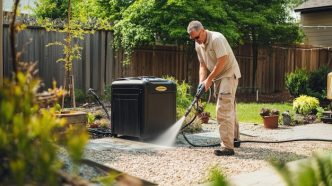
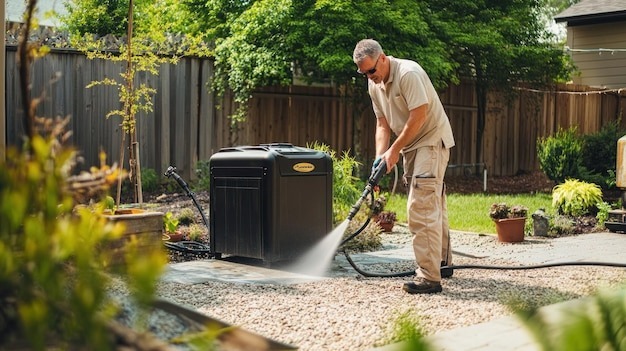
Owning a home is a constant exercise in prioritization. Between the endless list of maintenance tasks and the desire to actually enjoy your weekend, finding tools that save both time and money is the ultimate goal. For years, the heavy-duty gas pressure washer was the king of the driveway, but a significant shift has occurred.
Modern electric models have reached a performance plateau where they no longer just “compete” with gas they often surpass them in practical, everyday value. When you factor in the lack of engine maintenance, the absence of fuel costs, and the sheer ease of use, the return on investment (ROI) becomes clear. For many, the ultimate convenience comes from a portable battery power washer, which allows you to tackle remote cleaning tasks without being tethered to a wall outlet or dealing with the fumes of a combustion engine.
Understanding where these machines offer the most “bang for your buck” requires looking past raw PSI numbers and focusing on total cost of ownership and task efficiency.
The Economics of Electric vs. Gas
To calculate true ROI, you have to look at the “hidden” costs of home maintenance tools. Gas units require stabilized fuel, oil changes, spark plug replacements, and winterization. If a carburetor gums up over the winter, your ROI vanishes into a repair shop’s pocket.
Electric units, conversely, are essentially “plug and play.” The motor is a closed system that requires zero routine maintenance. For the average homeowner who cleans their deck twice a year and washes their car weekly, the electric motor’s longevity and lack of upkeep costs make it the more profitable long-term choice.
Maximizing Value on High-Traffic Surfaces
The most visible ROI comes from maintaining your home’s curb appeal. Concrete driveways and walkways are porous, meaning they soak up oil, algae, and dirt. Left untreated, this buildup can lead to premature surface degradation.
Using an electric pressure washer for annual “soft washing” of these surfaces prevents the need for expensive professional resurfacing or chemical deep-cleans. Because electric models provide consistent, manageable pressure, you are far less likely to accidentally etch or damage your concrete a common and costly mistake made with high-powered gas units.
The Versatility of a Battery Power Washer
While corded electric units are great for the driveway, the ROI of a cordless system is found in its versatility. Imagine being able to clean a backyard fence, a remote shed, or a boat at a dock without dragging 100 feet of extension cord through the mud.
A battery power washer excels in these “in-between” scenarios. It bridges the gap between a standard garden hose and a heavy-duty machine. The time saved in setup and teardown is significant. In the world of DIY maintenance, time is the most valuable currency you have.
Top Home Areas for High-Efficiency Cleaning
1. Siding and Windows
Professional house washing can cost hundreds of dollars per session. An electric pressure washer allows you to perform “maintenance washes” every spring. By keeping organic growth like mildew off your siding, you extend the life of the paint or vinyl, potentially delaying a $10,000 paint job by several years.
2. Decks and Fencing
Wood is sensitive. High-pressure gas units often splinter wood fibers, leading to a “fuzzy” texture that requires intensive sanding. Electric washers provide the perfect pressure range to lift graying UV damage and mold without destroying the wood’s integrity.
3. Outdoor Furniture and Grills
This is where electric units shine. Cleaning intricate wicker or metal patio furniture with a brush is a chore. A quick pass with a low-degree nozzle cleans these items in seconds, preserving your investment in outdoor living spaces.
A Homeowner’s Buying Guide: What to Look For
When shopping for an electric pressure washer, don’t get distracted by “Peak PSI” marketing. Look for these three functional pillars:
- GPM (Gallons Per Minute): This is actually more important than PSI. GPM determines how fast you can rinse away the dirt you’ve loosened. Look for at least 1.2 to 2.0 GPM.
- Hose Quality: Cheap plastic hoses kink and crack. Look for “non-marring” or steel-braided hoses that remain flexible even in cooler weather.
- Motor Type: Universal motors are lighter and cheaper, but Induction Motors last significantly longer and run much quieter. If you plan on owning the tool for a decade, go with induction.
Pro-Tips for Improving Your Cleaning ROI
To get the most out of your machine, you need to work smarter, not harder.
- Use the Right Nozzle: The “White” (40-degree) tip is the safest for almost all home surfaces. The “Red” (0-degree) tip is rarely needed and can actually be dangerous to both you and your property.
- Detergent is Your Friend: Let the chemicals do the heavy lifting. Use a soap tip to apply a dedicated pressure washer detergent, let it sit for five minutes (don’t let it dry!), and then rinse. This reduces the mechanical force needed.
- Work from the Bottom Up: When cleaning vertical surfaces, apply soap from the bottom to the top to prevent streaking. Rinse from the top down.
Common Mistakes That Kill Your Tool’s Value
The quickest way to ruin your ROI is to break the tool through negligence.
- Running the Pump Dry: Never turn the power on until water is flowing through the machine. The water acts as a coolant and lubricant for the pump.
- Using the Wrong Extension Cord: If you use a corded model, you must use a heavy-duty, 12-gauge cord. A thin “household” cord will cause voltage drops that can burn out the electric motor.
- Ignoring Winterization: Even electric pumps can have a small amount of water left inside. If that water freezes, it expands and cracks the pump manifold. Always use a “pump protector” lubricant if you live in a cold climate.
Conclusion: Why Electric is the Smart Play
For the modern homeowner, the “best” tool is the one that actually gets used. Gas pressure washers often sit in the garage because the effort of getting gas and wrestling with a pull-cord is too high for a 20-minute job.
Electric pressure washers, particularly those in the cordless category, lower the barrier to entry. They make it easy to keep your property in top shape, which directly impacts your home’s resale value and your own pride of ownership. When you calculate the savings on professional services and the longevity of your home’s exterior surfaces, the ROI of an electric unit is undeniable.
Frequently Asked Questions
Q: Can an electric pressure washer really clean a concrete driveway?
A: Absolutely. While it might take a bit longer than a commercial gas unit, an electric washer with a “Turbo Nozzle” or a surface cleaner attachment is highly effective at removing deep-set stains and algae from concrete.
Q: Are battery-powered washers powerful enough for tough jobs?
A: They are perfect for most residential tasks. While they may not have the raw power for stripping paint, they are ideal for washing vehicles, cleaning siding, and maintaining decks without the hassle of cords.
Q: How long do electric pressure washers last?
A: With basic care (like not letting it freeze and keeping the intake filter clean), a high-quality electric pressure washer can easily last 7 to 10 years for a typical homeowner.
Q: Do I need a special soap for my pressure washer?
A: Yes. Only use detergents labeled “Pressure Washer Safe.” Standard dish soap or bleach can damage the internal seals and O-rings of the pump.