The Upgrade Habit Is Under Pressure
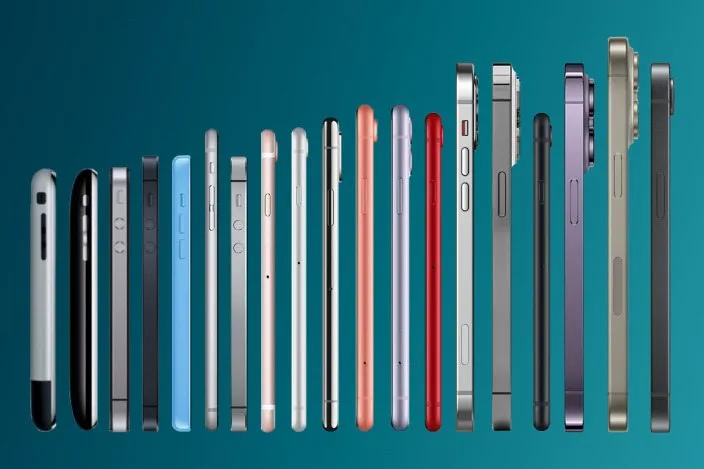
For years, upgrading to the latest iPhone felt like a natural step for many users. Each new release promised better cameras, faster performance, and new features. But in recent years, that pattern has started to shift.
Smartphone prices have increased, and the gap between one generation and the next is no longer as dramatic as it once was. This has led many users to question whether upgrading every year is still necessary or even practical.
Instead of following a routine cycle, consumers are now thinking more carefully about when and why they upgrade.
What Has Changed in Recent Years
Several factors have influenced this shift in behaviour. The smartphone market has matured, and users are becoming more aware of their options.
Here are a few key changes driving this trend:
- New devices are more expensive than ever
- Performance improvements between generations are smaller
- Smartphones now last longer with regular use
- More alternatives are available beyond buying brand-new
These changes are pushing users to rethink the idea of upgrading every year.
Is the Latest iPhone Always Worth It?
When a new device launches, it often brings incremental updates rather than major changes. While improvements in camera quality or processing power are still important, they may not justify the full cost for every user.
For example, someone using a recent device may not notice a significant difference in everyday tasks such as messaging, browsing, or streaming. This raises an important question: is upgrading driven by actual need, or simply by habit?
In many cases, the answer lies somewhere in between.
The Role of Refurbished Devices
One of the biggest shifts in recent years is the growing acceptance of refurbished devices. Instead of buying new, many users are exploring alternatives that offer similar performance at a lower cost.
This is where options like high-quality refurbished iPhones are becoming more relevant. These devices allow users to access premium features without paying the full price of a new release.
For many buyers, this approach offers a balance between performance and affordability, especially when the differences between new and recent models are not dramatic.
Understanding the Value of Recent Models
Another factor to consider is how well recent models hold up over time. Devices like the renewed iPhone 15 series continue to deliver strong performance even after newer versions are released.
This highlights an important point. A phone does not become outdated as soon as a new model arrives. In reality, many devices remain capable for several years, handling everyday tasks without any issues.
For users who do not rely on cutting-edge features, sticking with a recent model can be a practical choice.
A Smarter Upgrade Approach
Instead of upgrading every year, many consumers are now taking a more strategic approach. They are looking at the overall value of their devices and making decisions based on actual usage.
A smarter upgrade strategy often includes:
- Keeping a device for longer before replacing it
- Considering refurbished options instead of new ones
- Comparing real performance differences between models
- Evaluating whether new features are necessary
This approach helps users avoid unnecessary spending while still meeting their needs.
Making the Most of Your Current Device
Another important part of the upgrade cycle is what happens to the current device. Rather than letting it sit unused, many users are now choosing to recover its value.
Services that allow users to trade-in their old phones at Phonebot are becoming more common. This makes it easier to offset the cost of upgrading while also keeping devices in circulation.
By reselling a phone instead of storing it away, users can make the upgrade process more efficient and cost-effective.
The Environmental Perspective
Beyond cost, there is also an environmental factor to consider. Electronic waste continues to grow, and frequent upgrades contribute to this problem.
By holding onto devices for longer, choosing refurbished options, or reselling old phones, users can help reduce unnecessary waste. This approach supports a more sustainable use of technology without requiring major changes in daily habits.
So, Do You Really Need to Upgrade Every Year?
The answer depends on individual needs, but for most users, the answer is no.
Modern smartphones are built to last, and the improvements between generations are often not significant enough to justify yearly upgrades. Instead, a more thoughtful approach can provide better value over time.
For some users, upgrading every few years makes more sense. For others, exploring refurbished options or reselling their current device may offer a better balance between cost and performance.
What This Means for the Future
The way people upgrade their smartphones is changing. Instead of following a fixed cycle, users are becoming more flexible and informed in their decisions.
This shift reflects a broader trend in technology consumption. People are focusing less on having the latest device and more on getting the most value from what they already have.
As this mindset continues to grow, the idea of upgrading every year may become less common. In its place, a more practical and sustainable approach to smartphone ownership is beginning to take shape.