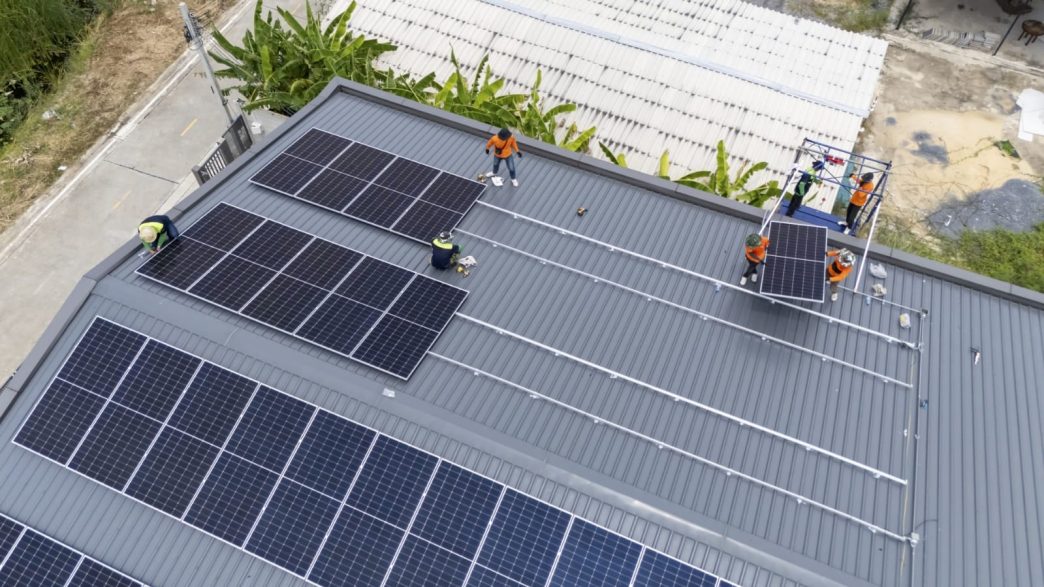
Installing solar panels is an exciting step toward lower energy bills, greater energy independence, and a more environmentally friendly home. Lumina makes it easy to find trusted solar installation services, visit https://luminasolar.com. However, before moving forward with a solar installation, there are several important factors homeowners should understand. Being prepared can help you avoid surprises, make smarter decisions, and ensure your system performs efficiently for years to come.
Evaluate Your Roof Condition
Before installing solar panels, it is essential to assess the condition of your roof. Since solar systems are designed to last 20 to 30 years, your roof should be strong enough to support the panels for the same length of time.
If your roof is older or needs repairs, it may be wise to complete those upgrades before installation begins. Replacing or repairing a roof after panels are installed can add unnecessary costs and delays.
Understand Your Energy Usage
Reviewing your electricity bills helps determine how much energy your household consumes each month. Solar installers use this information to design a system that matches your energy needs.
Understanding your usage patterns also helps you decide whether you want to fully offset your electricity costs or simply reduce them. Larger households or homes with electric vehicles may require more extensive solar systems.
Know the Different Types of Solar Panels
Not all solar panels are the same. Homeowners should become familiar with the main panel options available:
- Monocrystalline Panels – Known for high efficiency and sleek appearance.
- Polycrystalline Panels – Typically more affordable but slightly less efficient.
- Thin-Film Panels – Lightweight and flexible but usually require more installation space.
Choosing the right panel depends on your budget, roof size, and energy goals.
Learn About Financing Options
Solar installations can be purchased outright or financed through loans, leases, or power purchase agreements. Each option has different long-term costs and savings potential.
Buying a system outright often provides the highest long-term savings, while financing can make solar more accessible with lower upfront costs. Be sure to compare payment structures, interest rates, and ownership terms before signing an agreement.
Research Available Incentives
Many regions offer tax credits, rebates, and local incentive programs that reduce the cost of going solar. These programs can significantly lower your initial investment and improve your return on investment over time.
Homeowners should ask installers about available incentives and confirm eligibility requirements before installation begins.
Choose the Right Solar Installer
Selecting a qualified and experienced installer is one of the most important decisions in the process. A reputable company will guide you through system design, permits, inspections, and installation while providing reliable customer support.
Look for installers with:
- Positive customer reviews
- Proper certifications and licenses
- Strong warranty coverage
- Transparent pricing
- Experience with residential systems
A trustworthy installer can make the entire process smoother and more efficient.
Understand Net Metering Policies
Net metering allows homeowners to receive credit for excess electricity their solar system sends back to the grid. These credits can help reduce monthly utility bills even further.
Policies vary by location, so it is important to understand how your local utility company handles solar energy credits and compensation.
Prepare for the Installation Process
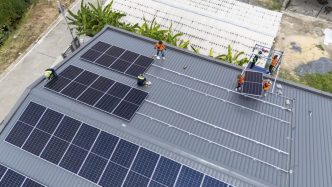
Most residential solar installations take only a few days to complete, but the entire process including permits and inspections, can take several weeks.
Homeowners should prepare for:
- Temporary construction activity
- Equipment delivery
- Roof access during installation
- Utility inspections and approvals
Knowing what to expect helps reduce stress and ensures the project moves forward smoothly.
Think About Future Energy Needs
When designing your system, consider future changes in your energy usage. If you plan to purchase an electric vehicle, add new appliances, or expand your home, your electricity demand may increase over time.
Planning ahead allows your solar system to better support future energy needs without major upgrades later.
Solar installation is a major investment that can provide long-term financial and environmental benefits. By understanding your roof condition, energy usage, financing options, incentives, and installer qualifications, you can make informed decisions and enjoy a successful solar experience.
Taking the time to prepare before installation helps ensure your solar system delivers reliable performance, lower utility bills, and lasting value for your home.