At times, it becomes very frustrating when your homemade bread looks perfect from the outside but feels soft and slightly dull when you slice it. The crust should have a light crunching sound, but it instead tastes like normal bread. Have you found yourself wondering why your breadmaker machine produces bread without the authentic bakery finish?
The good part is that you do not need to change your machine. A few small adjustments can create big changes in your results. The best breadmaker machine users and future buyers of automatic breadmakers should learn about crust formation because it will help them achieve better home results.
Why Does the Crust Turn Out Soft?
Before trying to fix the problem, it helps to understand why it happens. Breadmaker machines work in a closed space. This traps moisture inside while baking. While this helps keep the bread soft, it also prevents the crust from drying properly.
Some common reasons include:
Too much moisture in the dough.
Leaving bread inside the machine after baking.
Using the wrong crust setting.
Not allowing proper cooling.
So instead of changing everything, you only need to adjust a few steps.
Tips to Get a Crispy Crust in a Breadmaker Machine
Here are some expert tips to get a crispy crust in a breadmaker machine:
1. The Crust Setting is Your Best Friend
The people who select the “Medium” setting never return to different settings. The “Dark” setting on your control panel is mandatory for achieving an authentic thick crust. The bread will not burn because of this function. The machine receives instructions to maintain high temperature for additional minutes beyond the cycle’s conclusion. The extended duration enables proper caramelisation of the sugars present in the flour. The crust achieves its deep brown hue and firm “snappy” texture through the process of caramelisation.
2. Water Wins Over Milk
A lot of recipes for home breadmaking suggest using milk because it makes the bread taste rich and creamy. While that’s true, milk is also the enemy of a crispy crust. The milk contains fats and lactose, which help maintain the softness of bread.
The replacement of milk with plain water will create a traditional hard crust that matches rustic style. Water enables flour to create a stronger traditional shell, which develops a more robust structure. When you buy automatic breadmaker machines, try starting with a basic “French Bread” recipe that only uses water, flour, salt, and yeast. You will see an immediate difference in the crunch.
3. Watch the Fats and Sugars
We all love the taste of butter, but fat is a “tenderiser.” It coats the flour molecules and prevents them from forming a hard structure. If you are chasing a real crunch, try cutting the butter or oil in your recipe by half.
The same goes for sugar. While a tiny bit helps the yeast grow and gives the crust a golden colour, too much sugar will make the bread soft and cake-like. For a crispy loaf, less is usually more.
4. The “Immediate Exit” Rule
This is the single most important habit you can develop. You have to be ready the moment that machine beeps. If you let the bread sit on the “Keep Warm” setting, you are basically steaming your crust into submission.
As soon as the cycle ends:
Put on your oven mitts and pull the pan out.
The process requires you to shake the tin gently until the loaf falls out.
You need to place the item on the wire cooling rack immediately after you receive it.
The wire rack is mandatory because hot bread requires it as protection from flat surfaces, which cause bread to become “sweaty” within two minutes. A rack allows air to flow through the entire bread, which enables steam to escape while protecting the crust from damage.
5. The Pro “Water Spray” Trick
The first step to advance your skills involves applying this straightforward technique. The baking process requires opening the lid 10 to 15 minutes before the timer reaches its endpoint to spray the dough top with water from a spray bottle.
The system produces an immediate steam release at exactly the right moment. The dough’s outer layer turns glossy through moisture, which also helps it maintain its shape during the last stage of heating. You must move quickly because any time spent with the lid open beyond two seconds will result in excessive temperature loss.
Common Mistakes to Avoid
Many home cooks make simple errors that affect the crust. Avoiding these will improve the quality of every loaf.
Using too much sugar: Sugar attracts moisture from the air.
Leaving the lid open: This drops the temperature too fast.
Old Yeast: If the bread does not rise, it stays dense.
Slicing too early: Let the bread cool for thirty minutes first.
The Joy of Baking for Your Family
For busy housewives and parents, a breadmaker is such a helpful tool. It takes the mess and the arm-aching work out of kneading dough by hand. But more importantly, it lets you control what your family is eating. Store-bought bread is often full of preservatives and extra sugar to keep it “fresh” on a shelf for a week.
You can prepare the dish with just four or five basic ingredients. The dish costs less money and delivers better health benefits and superior taste. The small change of making bread with a machine every day at breakfast time for school lunches will help your family eat better.
Final Thoughts
The quality of your bread depends directly on which tool you choose to use. Your current equipment needs to be replaced if it shows signs of aging or operational problems. The search for the best breadmaker machine requires users to select a model that provides uniform heat distribution throughout its operation.
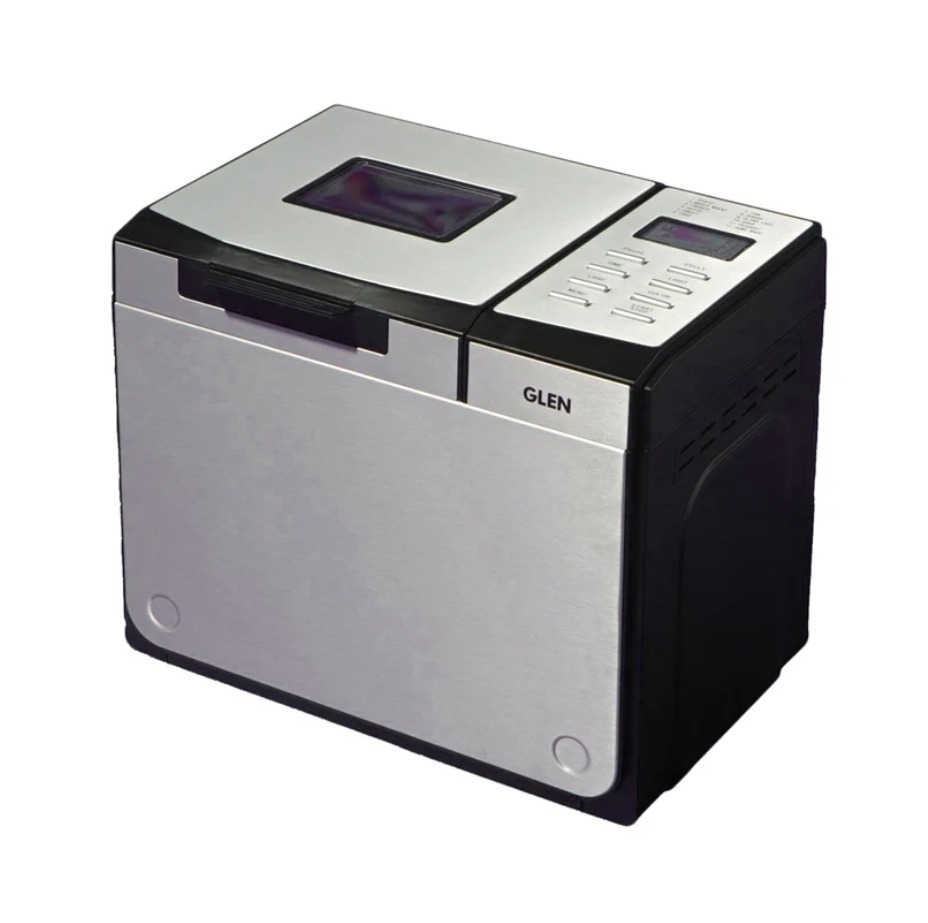
Glen Appliances offers a range of breadmakers that are perfect for modern kitchens. They are built to be sturdy and simple to use, so you don’t have to be a scientist to get a good loaf. When you buy automatic breadmaker units from Glen, you are getting an appliance that understands the balance between a soft inside and a perfect, crispy outside. It makes the whole process fun rather than a chore. Ready to upgrade your baking experience? Explore their range and start baking better at home.