Your bartenders are slammed. A customer pulls out a card, the terminal stalls, and you’re bleeding time. Forgotten cards pile up. Chargebacks follow. Meanwhile, you’re still swiping cards in 2026 when chip readers have solved half your problems already. The difference between a fast, secure bar operation and one that hemorrhages money comes down to hardware—specifically, EMV and contactless payment readers that work with your POS, not against it. Here’s what actually matters when you’re choosing one.
Beyond the Swipe: Why Modern Bars Need EMV & Contactless Readers
The Core Benefits: Speed, Security, and Customer Trust
EMV isn’t marketing noise. When a customer inserts their chip, the card and terminal perform a handshake—generating a unique transaction code for that specific dip. Magstripe? It broadcasts the same data every time. Fraudsters clone it once, and that card is compromised for months. EMV kills that attack vector. Each transaction is one-time use.
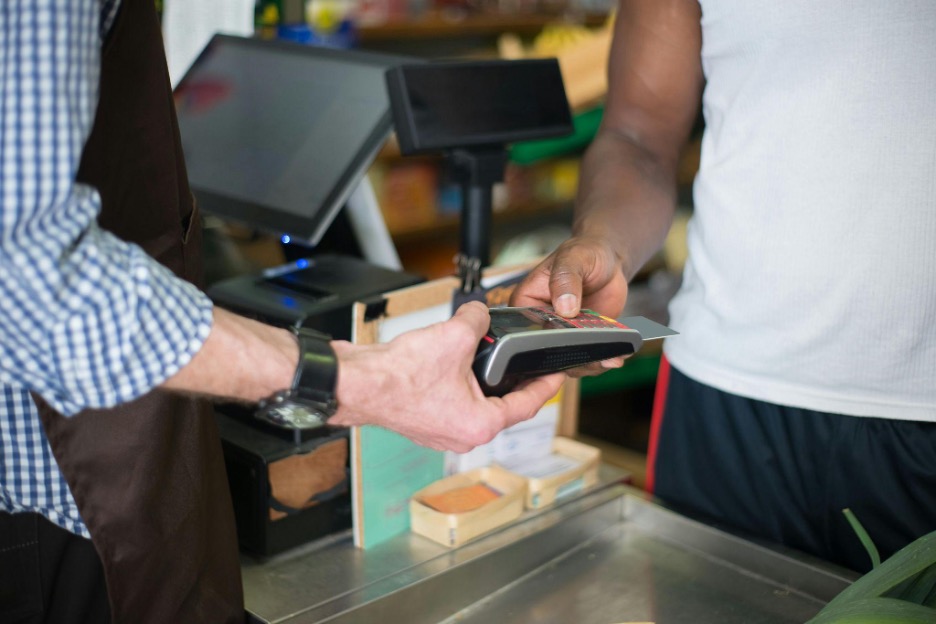
Contactless (NFC/tap-to-pay) is where speed lives. Apple Pay, Google Pay, tapped cards—no PIN required for under $100 in most cases. At a packed bar on a Saturday, that’s the difference between a 90-second checkout and a 30-second one. Your staff moves faster. Customers leave happier. No waiting for chip insertion, no fumbling with PINs.
PCI compliance isn’t optional—it’s the legal baseline. EMV terminals that handle encryption and tokenization (replacing raw card data with encrypted tokens) reduce your liability. When fraud does happen, the burden shifts. Visa’s liability shift means venues using dual-interface EMV terminals see fraud liability transferred to non-compliant parties—roughly 75% of transactions in restaurant/bar environments by 2023 standards.
Reliable Bar Pos Systems that bundle EMV readers with order management eliminate silos. Your payment data flows directly into inventory, accounting, and customer records. One system. One source of truth. That integration is where real operational efficiency kicks in.
Finally Solving the “Card Left Behind” Problem
You know the scenario. Customer opens a tab. Card goes into the terminal at the bar. Thirty minutes later, they leave. Card sits in the reader. You’re liable for chargebacks if they claim fraud. Worse, the customer’s upset, your staff is scrambling to track them down, and you’ve just created a compliance headache.
Modern EMV workflows solve this. Portable terminals and pre-authorization features let your bartender start a tab without physically holding the card. Customer taps their phone. Transaction pre-authorizes. Card never leaves their hand. Or, with mobile readers, the bartender brings the terminal tableside, card stays with the customer, final amount gets adjusted for tip later—all confirmed in real time through the POS.
LingaPOS systems, for example, use EMV-certified readers to open tabs that transfer to tables with payment info embedded. Servers adjust tips, customers authorize, and the card never sits abandoned. Chargebacks plummet. Customer experience improves. Staff stops hunting down forgotten plastic.
Essential Features for Any Bar or Restaurant Card Reader
Choosing hardware is an investment in operational resilience. A $400 reader that dies after six months of bar service costs more in downtime than a $700 reader built for chaos. Here’s what separates functional from actually useful.
- Durability and Design: Bars are wet, sticky, and unforgiving. Your reader needs to survive spills, drops, and the occasional angry bartender slamming it down. Spill-proof ratings and drop-resistant construction aren’t luxuries—they’re operational requirements. A reader rated for 3-foot drops will outlive one that isn’t by years.
- Portability and Battery Life: If your reader only works at the register, you’re still creating bottlenecks. Handheld terminals let servers and bartenders take payments at tables, the patio, or the customer’s seat. Battery life matters. A device that dies mid-shift kills your checkout speed. Look for readers that hold 8+ hours of active use, or have hot-swappable batteries.
- Connectivity: Wi-Fi is standard, but it’s not enough. When your internet drops during peak hours—and it will—you need offline capability or 4G/LTE backup. A reader that can queue transactions locally and sync when connectivity returns keeps you operational. A reader that freezes when the internet hiccups costs you money.
The Heart of Your Operation: Integrating Readers with Your POS
Why an Integrated System Outperforms Standalone Terminals
A payment reader sitting on your counter disconnected from your POS is like having a cash register that doesn’t talk to your inventory system. You get transactions, but nothing else. No order history. No customer data. No insight into what’s actually moving.
The real power comes from seamless communication between your reader and your central POS software. When a card is processed, that payment immediately flags the order as paid in your system. Inventory updates. Customer history records. Reporting consolidates everything. Errors drop because data flows once, not three times through different systems.
This integration also means tableside processing. Your server takes payment at the table using a mobile reader. The terminal confirms the transaction. The POS simultaneously updates the table status, closes the check, and flags the payment for accounting. No manual entry. No “did that go through?” moments. Reliable Bar Pos Systems that include EMV readers as native hardware eliminate these friction points entirely.
When systems are fragmented—reader from one vendor, POS from another—reconciliation becomes a nightmare. You’ll spend hours chasing discrepancies. An integrated setup cuts that to minutes. For bars running on thin margins, that time savings translates directly to labor cost reduction.
Choosing the Right Type of Secure EMV Payment Terminal
The Best of Both Worlds: Countertop and Handheld Setups
The ideal bar setup isn’t “one or the other.” It’s both, deployed strategically.
Your main register gets a powerful countertop terminal. EMV L1/L2 certified, dual-interface (chip and contactless), connected to your central POS. This is your anchor—reliable, stationary, and handles the volume.
Your floor staff gets handheld units. Smaller, portable, battery-powered. Same EMV certification, same security standards, but mobile. Bartenders use these for table payments, patio service, or event setups. Both terminals sync to the same POS, so your inventory and accounting stay unified.
When choosing hardware, security isn’t negotiable. Secure Emv Chip Card Readers protect both your business and your customers from fraud. EMV-certified readers generate unique transaction codes per dip, preventing the magstripe cloning attacks that used to plague bars. Contactless support means Apple Pay and Google Pay transactions bypass card data entirely—tokenization handles the heavy lifting. End-to-end encryption ensures data is encrypted at entry and remains encrypted until settlement.
Qlab countertop terminals, for instance, combine L1/L2 EMV certification with NFC contactless, designed specifically for hospitality environments. LingaPOS mobile readers (2.48in × 1.52in × 0.96in) attach to iPads, enable offline transactions, and support tab transfers with embedded payment info—all while maintaining EMV compliance.
Your Final Checklist Before Choosing a Bar Payment Terminal
Before signing any contract, verify these non-negotiables:
- EMV chip and contactless support? No exceptions. If it doesn’t do both, skip it.
- Built for bar chaos? Spill-resistant, drop-tested, durable. Read reviews from actual hospitality venues.
- Tableside payment workflow? Does it eliminate the “card left behind” problem? Can servers adjust tips post-payment?
- POS integration? Does it sync with your existing system? Do you need new software, or does it plug into what you have?
- Total cost clarity? Hardware cost + monthly subscription (if any) + processing fees. Compare apples to apples.
- Offline capability? What happens when your internet drops? Does it queue or freeze?
The right terminal isn’t the cheapest one. It’s the one that keeps your operation moving during peak hours, protects your customers’ data, and integrates with your POS so tightly that payment processing feels invisible. In 2026, that’s the baseline. Everything else is just noise.