A few years ago, carrying multiple SIM cards while traveling or managing separate phones for work and personal life was considered normal. Today, that setup feels increasingly outdated. Mobile users now expect instant connectivity, flexible communication tools, and the ability to switch between networks or numbers without visiting a telecom store.
That shift is pushing eSIMs and virtual phone numbers into the mainstream. What once looked like niche technology for frequent travelers or tech enthusiasts is now becoming part of everyday digital life. From remote workers and startups to online sellers and content creators, more people are relying on software-based communication tools instead of traditional telecom systems.
The change is happening alongside the growth of remote work, cloud platforms, and global digital services. Users want faster setup processes, fewer roaming headaches, better privacy, and more control over how they manage calls, data, and online accounts. Traditional telecom models were never really built for that kind of flexibility.
One platform attracting attention in this area is eSIM Plus, particularly among users looking for flexible international data access without depending on physical SIM cards. Services like these reflect a wider industry move toward fully digital connectivity, where mobile plans can be activated in minutes and paired with virtual numbers for work, travel, or online business operations.
Why eSIM Adoption Is Accelerating
Although eSIM technology has been around for some time, adoption accelerated once major smartphone brands started treating it as a standard feature rather than an experiment. Apple, Samsung, and Google have all expanded eSIM support across their flagship devices, encouraging mobile operators to modernize their services as well.
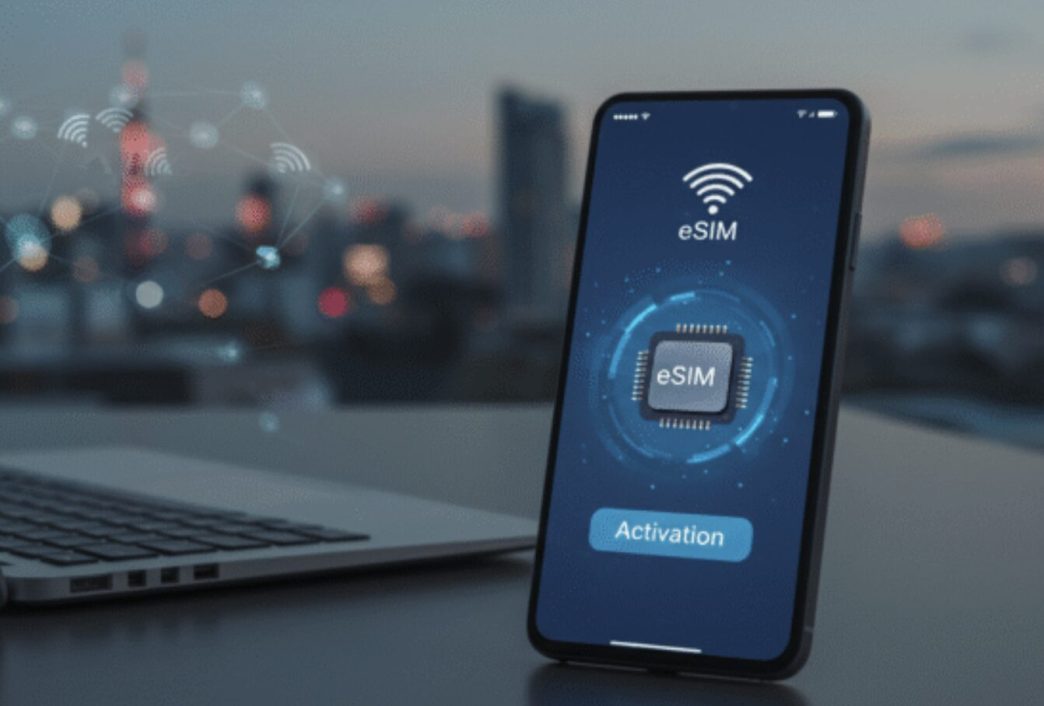
Unlike traditional SIM cards, eSIMs are embedded directly into the phone or device. Instead of inserting or replacing physical cards, users can activate mobile plans digitally through apps or QR codes. The process is faster, cleaner, and significantly more convenient for people who travel often or switch carriers regularly.
That convenience matters most for people constantly moving between locations. Travelers no longer need to search for local SIM cards at airports or retail stores every time they enter a new country. A mobile plan can be downloaded and activated within minutes, often before landing.
Remote workers are benefiting from the same flexibility. Many professionals now split their time between countries while still needing stable communication for work. eSIMs make it easier to maintain connectivity without carrying multiple phones or paying excessive roaming charges.
The technology is also helping businesses simplify operations. International teams can stay connected through regional data plans without depending entirely on expensive corporate roaming agreements. For startups operating across borders, that level of flexibility can reduce costs and improve communication reliability.
Virtual Numbers Are Reshaping Communication
Virtual phone numbers fit naturally into this ecosystem because they separate communication identity from physical hardware. Unlike traditional numbers tied to a specific SIM card or region, virtual numbers work through internet-based systems and cloud communication platforms.
For startups and smaller businesses, the advantages are hard to ignore. Companies can create local contact numbers in different countries without opening physical offices there. A small business in Kampala or Nairobi can maintain customer support numbers for clients in London, Toronto, or Dubai while managing everything remotely.
Freelancers, developers, and online entrepreneurs are increasingly using virtual numbers as well. Many digital platforms require SMS verification or dedicated business contacts, and virtual numbers provide a more organized way to manage multiple accounts.
Instead of sharing one personal number everywhere, users can separate work communication, online marketplaces, freelance projects, and social media accounts. That added separation helps reduce spam while also keeping professional communication more organized.
Virtual numbers have also become useful for content creators and influencers managing global audiences. Brand partnerships, customer inquiries, and community management often involve communication across several regions. Using dedicated virtual numbers allows creators to keep those channels separate from personal communication.
Privacy and Flexibility Matter More Than Ever
Privacy is another major reason demand continues rising. Consumers are becoming more cautious about where and how they share personal contact information online. Data breaches, phishing scams, and spam campaigns have made phone numbers almost as sensitive as email addresses.
Virtual numbers offer a layer of protection by limiting exposure of personal mobile numbers. Users can create temporary or dedicated numbers for registrations, online purchases, or business communication without revealing their primary contact details everywhere.
eSIMs also contribute to security in different ways. Since they are built directly into the device, they are harder to remove or manipulate physically. Mobile operators can remotely manage subscriptions and security settings without requiring in-store visits or physical SIM replacements.
The flexibility of digital connectivity is becoming increasingly important as more services move online. Banking apps, remote work platforms, e-commerce systems, and messaging tools all depend heavily on stable mobile access. Users now expect communication systems to work instantly, regardless of where they are.
The Remote Work Effect
Together, eSIMs and virtual numbers are becoming especially valuable in the remote-work economy. Traditional telecom systems were designed around fixed locations and long-term carrier contracts. Modern work habits are far less predictable.
A remote employee might spend one month in Vietnam, another in Portugal, and several weeks working while traveling across Southeast Asia. Maintaining reliable communication across those locations used to involve expensive roaming plans or constantly changing SIM cards.
Digital connectivity tools are solving that problem. eSIMs allow users to switch between local or regional mobile plans quickly, while virtual numbers ensure they remain reachable through the same contact channels regardless of location.
For businesses, this creates more continuity in customer communication. Clients can still reach employees through the same numbers even when teams are distributed across different countries.
Telecom and IoT Are Pushing the Trend Forward
Another factor driving adoption is the expansion of Internet of Things (IoT) devices. Smartwatches, connected vehicles, logistics trackers, and industrial monitoring systems increasingly depend on embedded connectivity solutions.
eSIM technology simplifies global deployment for manufacturers because devices can switch carriers digitally depending on location or network availability. Instead of manually replacing SIM cards for each market, connectivity can be managed remotely.
Telecom companies are responding to this demand as well. Mobile operators across Africa, Europe, Asia, and North America have accelerated eSIM support over the past few years. As consumers become more comfortable with digital onboarding, traditional telecom services are slowly adapting to a software-first approach.
Still, there are limitations. Some mobile operators continue to lag behind in eSIM support, particularly in developing markets where telecom infrastructure upgrades take time. Certain online platforms have also become stricter about virtual number verification because of fraud concerns.
That means reliability often depends on choosing trusted providers with stable infrastructure and good compliance standards.
What Comes Next
Even with those limitations, the direction of the market seems fairly obvious. Mobile communication is steadily moving toward software-driven systems instead of hardware-dependent setups.
Physical SIM cards are unlikely to disappear overnight, but they are no longer the center of the mobile experience. Users increasingly expect connectivity to be instant, flexible, and manageable entirely through software.
For consumers, the biggest advantage is convenience. One smartphone can now handle international travel, remote work, multiple communication identities, and business operations without requiring complicated setups or multiple devices.
For businesses, the benefits include lower operational costs, easier global expansion, and more flexible communication management.
As digital lifestyles continue evolving, eSIMs and virtual phone numbers are becoming more than telecom upgrades. They are turning into essential tools for modern connectivity, helping people stay reachable, mobile, and secure in an increasingly connected world.