Running a small clinic is a bit like keeping a machine running while replacing its parts at the same time. Patients need attention, staff needs direction, and somewhere in the middle sits a quiet but constant problem—equipment. It ages. It slows down. Sometimes it just stops working at the worst possible moment. That is where medical device financing starts to make practical sense. Not as a flashy solution, but more like a steady tool that keeps things moving when cash flow alone is not enough.
The Cost Problem That Never Really Goes Away
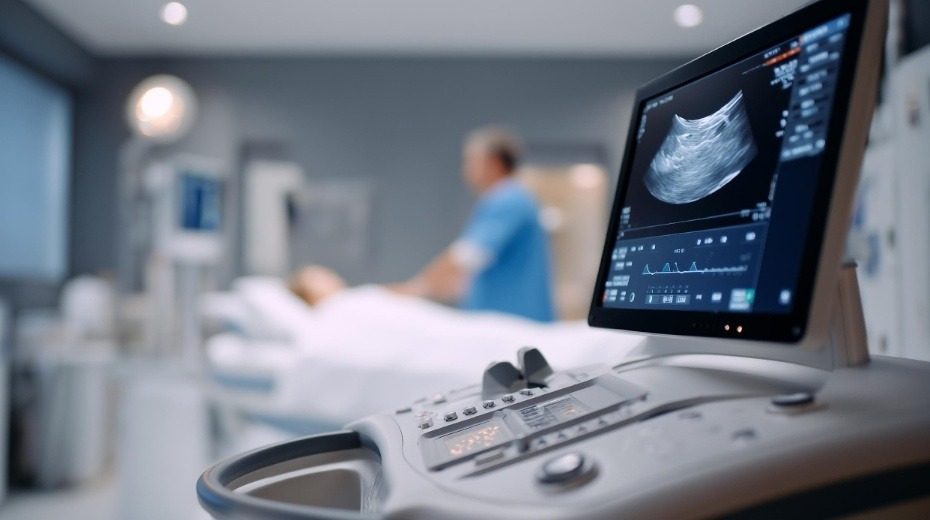
Medical device financing is not cheap. That is obvious, but the scale still surprises people outside the field. A single imaging system can cost as much as a small property in some regions. Even routine upgrades, smaller devices, software integrations, they stack up quickly. So, clinics face a choice. Delay upgrades and risk falling behind, or spend heavily and strain operations. Neither option feels great. This is where healthcare equipment financing comes in, quietly solving a very real bottleneck. Rather than paying everything upfront, clinics spread the cost over time through loans for medical equipment. It sounds simple, and it is, but the impact runs deeper than it appears at first glance.
Why Financing Speeds Things Up
There is a certain hesitation that comes with large purchases. Even when the need is clear, decision-making slows down because of the financial hit. That hesitation often delays upgrades by months, sometimes years. With medical device financing, that pause gets shorter. Rather than waiting for capital to build up, clinics move when the need arises. A failing X-ray unit does not need to limp along for another year. A new diagnostic tool can be brought in when demand increases, not when savings finally catch up. That shift, small on paper, changes how clinics operate.
What Actually Improves on the Ground
Better equipment does not just look good in brochures. It changes daily work in noticeable ways.
- Faster diagnostics reduce patient wait times
- More accurate results improve treatment decisions
- Newer systems often require less maintenance
- Staff spends less time troubleshooting outdated tools
- Patient confidence tends to increase, even if subtly
There is also an operational rhythm that improves. Clinics stop working around limitations and start working with capability. That difference matters more than most financial models show.
Cash Flow Stays Intact, Mostly
One of the biggest advantages of medical equipment lending is not the equipment itself. It is what happens to cash flow. Large one-time purchases can drain reserves. That creates pressure elsewhere—payroll, rent, supplies. Financing spreads that pressure out into smaller, predictable payments. Not painless, but manageable. And predictable is the key word here. Monthly obligations become easier to plan around. Budgeting becomes less of a guessing game. There is less scrambling at the end of the month, which, honestly, happens more often than people admit.
A Subtle Boost to Growth
Here is something that does not get talked about enough. Financing does not just solve a problem; it can create momentum. When clinics upgrade faster, they attract more patients. Not overnight, but gradually. Better equipment allows for expanded services. Expanded services bring in new revenue streams. That cycle builds on itself. It is not dramatic growth. It is steady, sometimes slow, but real.
Choosing the Right Financing Setup
Not every financing option works the same way, and this is where some clinics trip up. Terms matter. Fees matter. The fine print, even more so. A few practical things tend to help:
- Compare total repayment cost, not just monthly numbers
- Look for flexibility in upgrades or replacements
- Check if maintenance support is bundled in
- Understand early repayment conditions
- Work with lenders familiar with healthcare operations
Some agreements look attractive upfront but tighten later. That is not unusual, just something to watch.
The Trade-Offs That Deserve Attention
Financing is not free money. That should be obvious, yet it is worth saying out loud. Interest adds to the total cost. Long repayment periods can push obligations further than you think. And if revenue projections are off, even manageable payments can seem more burdensome than expected. Still, many clinics find the tradeoff reasonable versus delaying upgrades they need. Not perfect, but workable.
Where It Fits Into the Bigger Strategy
Consider medical device financing as just one piece of a larger financial puzzle, not the whole picture. Clinics that use it well usually combine it with careful budgeting, periodic upgrades, and realistic growth expectations. It works best when it supports a plan, not when it replaces one. There is also a timing element. Financing too early, before demand justifies it, can strain resources. Waiting too long can cost more in lost efficiency. Finding that middle ground is part instinct, part numbers.
A Quiet Advantage in a Competitive Space
Healthcare is competitive, even at the local level. Patients notice shorter wait times, smoother processes, newer facilities. They may not articulate it, but they feel it. Clinics that keep equipment updated tend to stay relevant longer. That alone can justify the use of healthcare equipment financing, even beyond the immediate operational benefits.
Conclusion
At its core, medical device financing is not about borrowing for the sake of it. It is about timing—getting the right tools when they are actually needed, not when finances finally allow it. For small clinics, that timing can make the difference between steady growth and slow decline. Financing helps close that gap. It keeps operations moving, supports better care, and creates room to grow without overwhelming the business side of things. Not a magic fix, not risk-free either. But used carefully, it becomes one of those tools that quietly supports everything else.