Internet outages can disrupt operations, halt productivity, and cost businesses significant time and revenue. Understanding what causes business internet outages is essential for preventing downtime and maintaining continuity. While some disruptions are unavoidable, many can be minimized with the right knowledge and preparation. From hardware failures to external service provider issues, outages can stem from a variety of sources. This article explores the most common causes and how businesses can better prepare for them.
Service Provider Issues
One of the most common answers to what causes business internet outages is problems with the internet service provider. Even the most reliable providers can experience disruptions due to infrastructure failures, maintenance errors, or network congestion. Large-scale outages can occur when a provider experiences issues with its core network or data centers. In some cases, these outages affect entire regions. While businesses have little control over provider reliability, choosing a reputable provider and having a backup connection can reduce the impact.
Hardware Failures
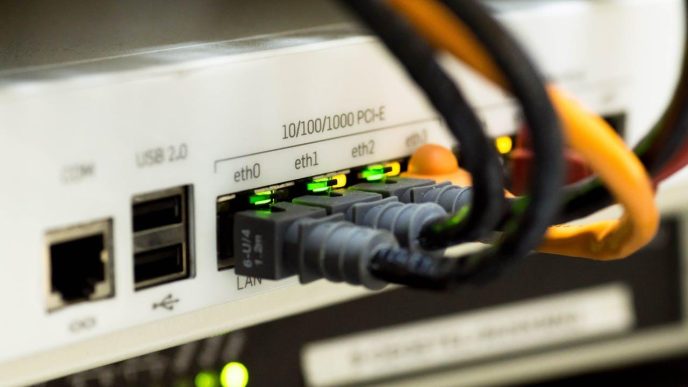
Internal hardware plays a major role in network reliability. Routers, modems, switches, and firewalls can all fail due to age, overheating, or manufacturing defects. When critical hardware stops functioning, internet connectivity can be lost entirely. Power surges and improper maintenance can also damage equipment. Regular inspections and timely replacement of aging devices are essential steps in reducing the risk. Hardware redundancy, such as having backup devices in place, can help maintain connectivity when failures occur.
Network Configuration Errors
Misconfigurations are a frequent but often overlooked factor in what causes business internet outages. Incorrect settings in routers, firewalls, or DNS configurations can block traffic or disrupt connectivity. Even small changes made during updates or troubleshooting can unintentionally cause outages. These issues are particularly common in complex networks with multiple devices and users. Proper documentation, change management procedures, and testing before deployment can help prevent configuration-related disruptions.
Bandwidth Overload and Network Congestion
When too many users or applications compete for limited bandwidth, network performance can degrade or fail altogether. This is especially common in businesses that rely on cloud services, video conferencing, or large data transfers. Congestion can slow down connections to the point where they appear to be offline. Understanding usage patterns and implementing traffic management solutions can help prevent overload. Upgrading bandwidth capacity is often necessary as businesses grow.
Cyberattacks and Security Breaches
Cyber threats are a growing concern and a significant contributor to what causes business internet outages. Distributed denial of service attacks overwhelm networks with excessive traffic, making services unavailable. Malware infections can disrupt systems and interfere with connectivity. Ransomware attacks may even shut down entire networks until demands are met. Strong security measures such as firewalls, intrusion detection systems, and employee training are critical for protecting against these threats.
Power Outages and Electrical Issues
Internet connectivity depends heavily on a stable power supply. When power is lost, network equipment shuts down, resulting in immediate outages. Electrical issues such as voltage fluctuations can also damage hardware and cause disruptions. Businesses can reduce the impact by using uninterruptible power supplies and backup generators. These solutions provide temporary power and allow systems to remain operational during short outages or shut down safely during extended ones.
Physical Cable Damage
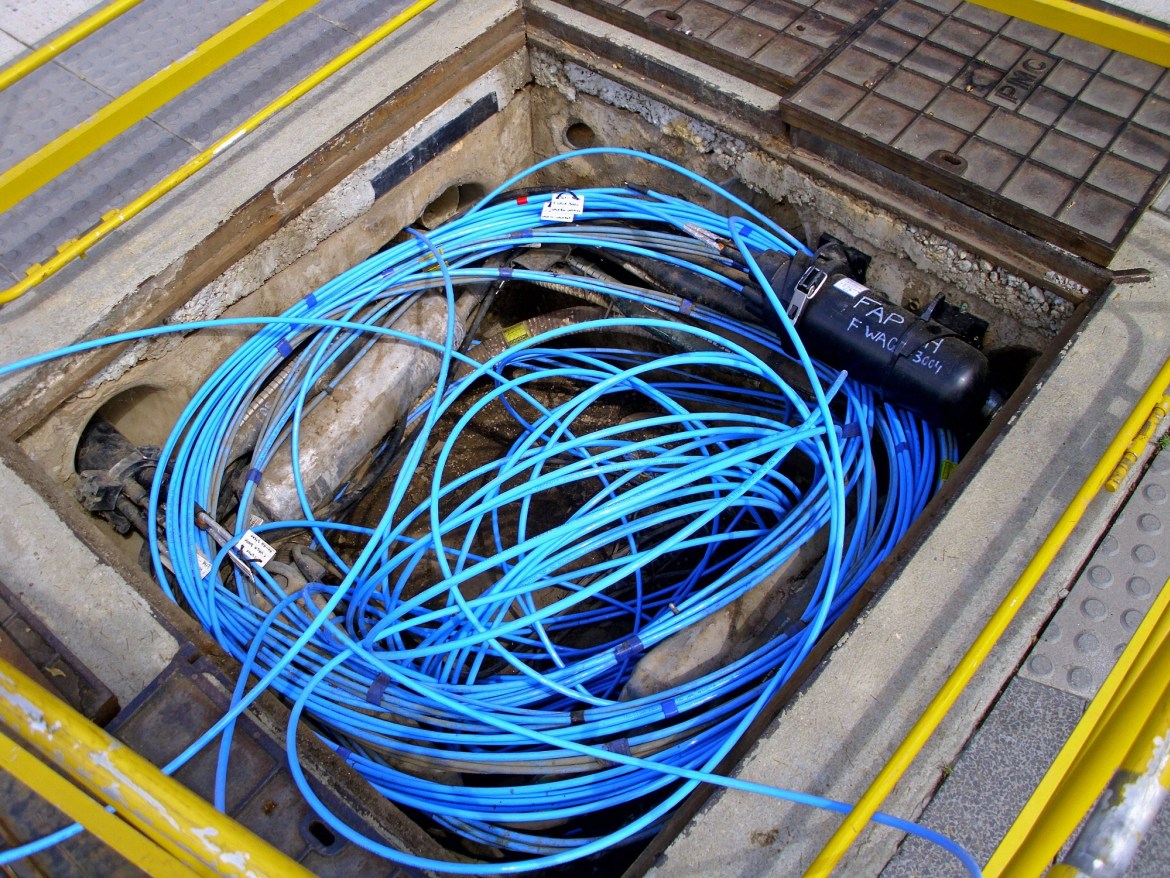
Cables are the backbone of internet connectivity, and damage to them can lead to significant disruptions. Construction work, natural wear, or accidental cuts can sever fiber optic or copper lines. This type of damage can occur both داخل the business premises and outside in the provider’s infrastructure. Repairing physical cables often takes time, leading to extended downtime. Protecting internal cabling and working with providers that have strong maintenance practices can help mitigate this risk.
Software Bugs and Firmware Issues
Software plays a crucial role in managing network operations. Bugs in operating systems, firmware, or applications can cause unexpected behavior and outages. Updates that are not properly tested may introduce new issues instead of resolving existing ones. Regularly updating software while following best practices for testing and rollback can help maintain stability. Keeping systems current also ensures that security vulnerabilities are addressed.
DNS Failures
The Domain Name System translates website names into IP addresses, allowing users to access online resources. When DNS servers fail or are misconfigured, users may be unable to reach websites or services even if the internet connection itself is working. DNS-related issues are a common yet confusing part of what causes business internet outages because they can appear as complete connectivity failures. Using reliable DNS providers and implementing backup DNS solutions can reduce this risk.
Human Error
Human error remains one of the leading causes of network disruptions. Accidental unplugging of cables, incorrect system changes, or improper handling of equipment can all lead to outages. Even experienced IT professionals can make mistakes under pressure. Establishing clear procedures, providing proper training, and limiting access to critical systems can help minimize these risks. Automation tools can also reduce the likelihood of manual errors.
Environmental Factors
Environmental conditions can have a significant impact on network performance. Extreme temperatures, humidity, and dust can damage equipment or reduce efficiency. Natural disasters such as storms, floods, and earthquakes can disrupt both local networks and provider infrastructure. While these events cannot be controlled, businesses can prepare by securing equipment, using climate-controlled environments, and developing disaster recovery plans.
Third Party Service Dependencies
Many businesses rely on cloud platforms and external services to operate. If these services experience outages, it can appear as though the business internet is down. For example, disruptions in cloud hosting providers or software platforms can prevent access to critical tools. Understanding dependencies and having contingency plans in place is an important part of managing risk. Diversifying service providers can also help reduce reliance on a single source.
Lack of Monitoring and Maintenance
Without proper monitoring, small issues can go unnoticed until they escalate into major outages. Failing to maintain network equipment and update systems increases the likelihood of unexpected failures. Monitoring tools provide visibility into network performance and help identify potential problems early. Regular maintenance ensures that systems remain in good condition and reduces the chances of downtime.
How to Reduce the Risk of Outages
While it is impossible to eliminate all risks, businesses can take proactive steps to minimize disruptions. Investing in reliable hardware, implementing strong security measures, and maintaining backup connections are essential strategies. Regular training and clear procedures help reduce human error. Monitoring tools and routine maintenance ensure that issues are detected and addressed quickly. Understanding what causes business internet outages allows organizations to build more resilient networks and respond effectively when problems arise.
Conclusion
Internet outages can have a serious impact on business operations, but they are often preventable with the right approach. By understanding what causes business internet outages, companies can identify vulnerabilities and take steps to strengthen their networks. From service provider issues to internal errors and environmental factors, each cause presents unique challenges. A proactive strategy that includes planning, monitoring, and continuous improvement is key to maintaining reliable connectivity and supporting long term success.