Education is changing fast, and students need new skills. Technology can make learning easier and more interesting. It helps teachers explain lessons clearly and keeps students engaged.
Students can learn at their own pace and explore topics they like. Technology also makes group work and communication simpler. Using it well can improve learning and results.
Read on to see practical ways to integrate technology in education.
Using Digital Tools for Classroom Learning
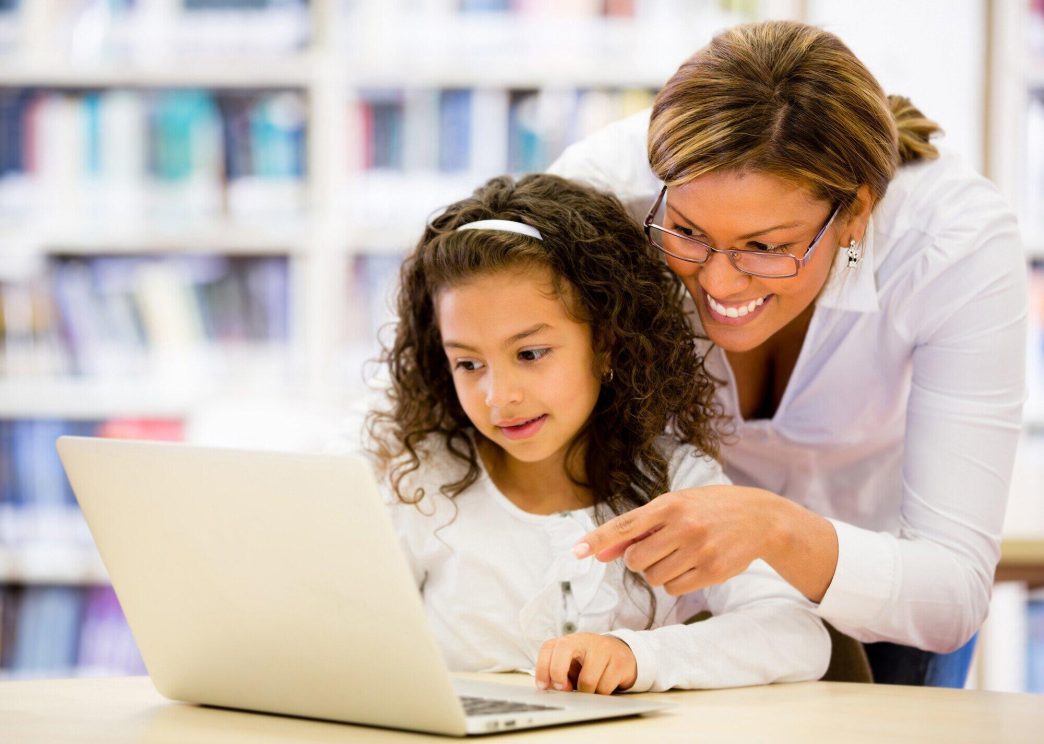
Digital tools can make lessons more interactive and fun. Students can watch videos, take quizzes, or work on projects online. Teachers can track progress easily with learning apps, and these tools help explain concepts clearly.
Technology also encourages collaboration among students. It gives instant feedback, which helps learning improve faster.
Using tablets or computers can prepare students for the digital world. Schools like Legacy Traditional school Cibolo campus provide resources to help students use technology effectively.
Enhancing Student Engagement
Technology keeps students interested in lessons. Interactive games and apps make learning exciting. Students are more likely to participate when lessons are visual.
Technology also allows students to explore topics they enjoy. Teachers can assign tasks that match each student’s skill level. Videos and simulations make complex ideas easier to understand.
Regular use of technology helps students stay focused. Engagement increases when learning feels relevant and modern.
Supporting Personalized Learning
Every student learns differently. Technology can help tailor lessons to individual needs. Learning software can adjust difficulty automatically, and students can revisit lessons they find hard.
Teachers can monitor which areas need improvement. Personalized learning helps students progress at their own pace, and it builds confidence and reduces frustration. Technology ensures no student is left behind.
Facilitating Collaboration and Communication
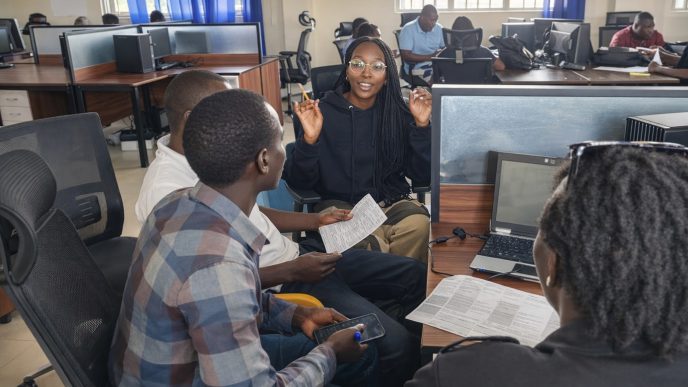
Technology makes working together easy. Students can share projects online and get feedback quickly. Group assignments can be managed through apps.
Video calls and discussion boards allow teamwork beyond the classroom. Communication with teachers is faster and more organized. Technology helps students learn teamwork skills.
Collaboration encourages problem-solving and creativity. These skills are important for school and future work.
Tracking Progress and Assessment
Digital tools simplify tracking student progress. Teachers can quickly see scores and completion rates. Technology provides detailed reports on strengths and weaknesses, and this allows faster intervention if a student struggles.
Students can self-assess and monitor their growth. Assessments can be more interactive and less stressful, and tracking results helps set realistic learning goals. Schools can adjust teaching methods based on real data.
Preparing Students for the Future
Using technology in education prepares students for modern life. They learn digital literacy, critical thinking, and problem-solving. These skills are important for higher education and careers.
Students gain confidence with devices and software. They learn how to research and evaluate information online. Technology encourages independent learning and creativity.
It also teaches responsibility in using digital tools. Preparing students today ensures they succeed tomorrow.
We Must Integrate Technology to Enhance Educational Outcomes
Technology can truly transform education. It makes lessons more engaging, personal, and effective. Teachers can track learning better and adjust teaching to help each student.
Collaboration and communication improve with the right tools. Students develop the skills they need for the future.
With careful planning, technology enhances every classroom. Schools that embrace it can see real improvements in learning outcomes.
For more topics, visit our blog. We do have more!