The CompTIA A+ Certification is one of the most trusted and globally recognized entry-level IT certifications available today. It is designed to provide individuals with a comprehensive understanding of essential IT concepts, making it an ideal starting point for anyone looking to enter the technology field. As businesses continue to rely heavily on digital infrastructure, the demand for skilled IT professionals is steadily increasing, and CompTIA A+ serves as a gateway to these opportunities.
This certification is vendor-neutral, which means it equips candidates with knowledge that applies across multiple technologies and platforms. Whether you aim to work in technical support, system administration, or networking, CompTIA A+ lays the groundwork for long-term success.
Understanding the Purpose of CompTIA A+
CompTIA A+ is structured to validate the skills needed to perform common IT support tasks. It ensures that certified individuals can install, configure, maintain, and troubleshoot various systems. The certification consists of two exams that assess a candidate’s ability to handle real-world IT scenarios.
The purpose of this certification is not just to test theoretical knowledge but also to evaluate practical skills. This approach makes it highly valuable for employers who are looking for professionals capable of solving technical issues efficiently.
Key Topics Covered in CompTIA A+
Computer Hardware Essentials
A significant portion of the CompTIA A+ curriculum focuses on hardware components. Candidates learn about CPUs, RAM, motherboards, storage devices, and peripherals. Understanding how to assemble and repair these components is crucial for any IT support role.
Software and Operating Systems
The certification covers various operating systems including Windows, Linux, and macOS. Candidates learn how to install, configure, and troubleshoot these systems. This knowledge is essential for maintaining system stability and performance.
Networking Fundamentals
Networking is a core aspect of IT infrastructure. CompTIA A+ introduces basic networking concepts such as IP addressing, routers, switches, and wireless connectivity. These skills enable professionals to diagnose and resolve network-related issues.
Cybersecurity Basics
Security is a critical concern in today’s digital world. The certification teaches fundamental security practices such as identifying threats, managing user permissions, and implementing protective measures to safeguard data.
Troubleshooting and Problem Solving
One of the most important skills developed through CompTIA A+ is troubleshooting. Candidates learn systematic approaches to identify and fix hardware and software issues, ensuring minimal downtime and improved efficiency.
Exam Structure and Certification Process
To become CompTIA A+ certified, candidates must pass two exams. These exams are designed to test both knowledge and hands-on skills through multiple-choice questions and performance-based tasks.
The first exam focuses on hardware, networking, mobile devices, and virtualization technologies. The second exam emphasizes operating systems, security, software troubleshooting, and operational procedures. Each exam typically lasts 90 minutes and requires a passing score determined by CompTIA.
Proper preparation and consistent practice are essential to successfully pass both exams.
Advantages of Earning CompTIA A+
Strong Entry-Level Credential
CompTIA A+ is often the first certification recommended for individuals entering the IT industry. It provides a strong foundation that prepares candidates for various technical roles.
Wide Career Opportunities
With this certification, you can pursue roles such as IT support technician, help desk analyst, and desktop support specialist. These positions offer valuable experience and serve as stepping stones for advanced careers.
Global Recognition
Being certified by CompTIA adds credibility to your professional profile. Employers around the world recognize and respect this certification.
Practical Skill Development
CompTIA A+ emphasizes hands-on learning, ensuring that candidates can apply their knowledge in real-world situations. This practical approach makes certified professionals highly valuable to organizations.
Pathway to Advanced Certifications
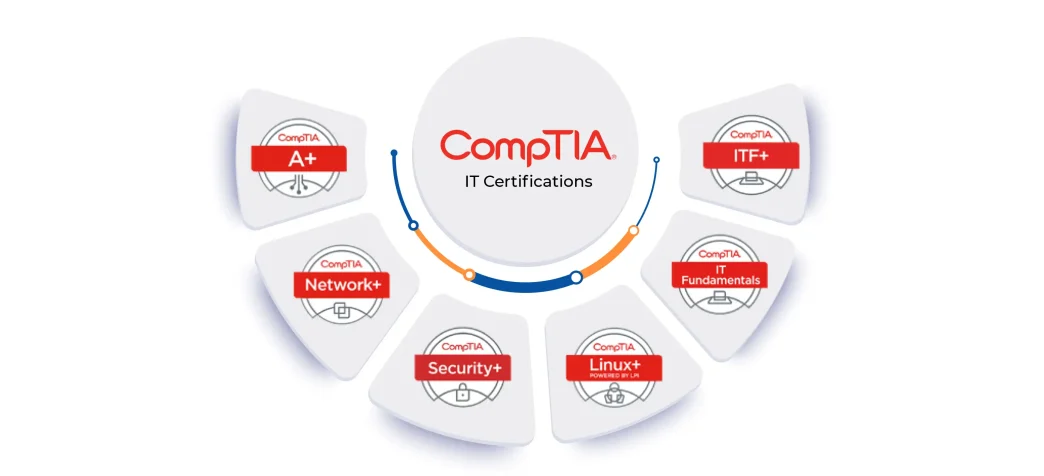
After earning CompTIA A+, you can pursue more advanced certifications such as Network+ and Security+. These certifications help you specialize in specific areas of IT and advance your career.
Effective Preparation Strategies
Utilize Online Resources
There are numerous online platforms that provide study materials, practice tests, and video tutorials. One useful resource is http://www.prepaway.com/ which offers a variety of preparation tools for certification exams.
Follow a Study Plan
Creating a structured study plan is essential for covering all exam topics. Divide your study time into manageable sections and focus on one topic at a time.
Gain Hands-On Experience
Practical experience is crucial for understanding technical concepts. Set up a home lab or use virtual environments to practice installing operating systems and troubleshooting issues.
Practice with Mock Exams
Taking practice tests helps you become familiar with the exam format and identify areas where you need improvement. It also boosts confidence and reduces exam anxiety.
For more detailed guidance and exam-related insights, you can visit https://prepaway.com/comptia-a-plus-certification-exams.html which provides valuable information about the certification process.
Challenges Faced During Preparation
Complex Technical Topics
Some topics may be difficult to understand, especially for beginners. Breaking down concepts into simpler parts and using visual aids can help improve comprehension.
Limited Practical Exposure
Without hands-on practice, it can be challenging to grasp certain concepts. Regular practice using real or simulated environments can help overcome this issue.
Managing Study Time
Balancing study with other responsibilities can be difficult. Creating a realistic schedule and staying consistent can help you stay on track.
Exam Pressure
Exam anxiety is common among candidates. Practicing regularly and staying well-prepared can help reduce stress and improve performance.
Career Opportunities After Certification
After obtaining CompTIA A+, you can explore various entry-level roles in the IT industry. These roles include help desk technician, IT support specialist, and desktop support analyst. These positions provide valuable experience and help you build a strong foundation for future growth.
With additional certifications and experience, you can advance to roles such as network administrator, system administrator, or cybersecurity analyst. The certification serves as a stepping stone toward these advanced career paths.
Future Relevance of CompTIA A+
The IT industry continues to evolve with new technologies such as cloud computing, artificial intelligence, and cybersecurity advancements. CompTIA A+ is regularly updated to reflect these changes, ensuring that certified professionals remain relevant in the job market.
Organizations require skilled professionals who can manage and troubleshoot modern systems. CompTIA A+ ensures that individuals are well-equipped to handle these challenges and contribute effectively to their organizations.
FAQ Section
Is CompTIA A+ suitable for beginners?
Yes, CompTIA A+ is specifically designed for beginners who want to start a career in IT.
How long does it take to prepare for the certification?
Preparation time varies, but most candidates take between 2 to 4 months to prepare for both exams.
What is the cost of the exams?
Each exam typically costs between $200 and $250, depending on your location.
Can I take the exam online?
Yes, CompTIA offers online testing options, allowing candidates to take the exam from home.
What jobs can I get with CompTIA A+?
You can apply for roles such as help desk technician, IT support specialist, and desktop support analyst.
What should I study first?
Start with hardware fundamentals and gradually move to networking, operating systems, and security topics.
Conclusion
CompTIA A+ Certification is an excellent starting point for anyone looking to build a successful career in IT. It provides a comprehensive understanding of essential technical skills and prepares individuals for real-world challenges. With its global recognition, practical focus, and strong career opportunities, it remains one of the most valuable certifications for beginners. By following a structured study plan, gaining hands-on experience, and utilizing reliable resources, you can achieve this certification and take your first step toward a rewarding career in the technology industry.