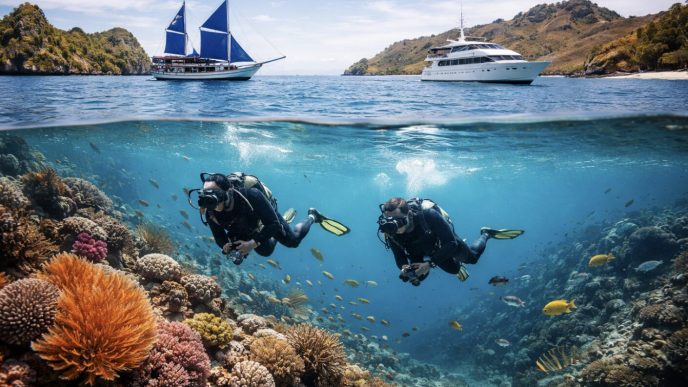
Amed has quietly become one of Bali’s most valuable dive tourism destinations. For travelers looking for a calmer alternative to crowded dive hubs, the region offers an easygoing style of diving with short transfers, relaxed pacing, and accessible reef systems.
For hotels, guesthouses, and tourism partners across Bali, this creates a unique opportunity. Guests who plan their diving experiences well in Amed often stay longer, explore local businesses, and leave stronger reviews because their holiday feels smooth and unhurried.
However, the success of these diving experiences often depends on the best dive sites for scuba diving in Amed, Bali and how well guests are guided before they even reach the water. Hospitality teams that understand the basics of Amed diving — from site styles to realistic daily pacing — can help visitors choose experiences that match their comfort level and travel goals.
This guide is written to help hotels, travel partners, and tourism operators provide practical guidance that improves guest satisfaction while supporting sustainable local tourism.
Why Amed Is Valuable for Bali’s Dive Tourism Economy
Amed’s coastline is made up of small bays and shoreline entries that allow for flexible diving schedules. Many guests appreciate that they can dive without turning their day into a logistical mission. Compared to busier areas, Amed often feels:
- More relaxed and less crowded
- Easier to plan for short-stay travelers
- Friendlier to people who want a calm pace
- Well-suited to “dive + rest + dine locally” routines
For hospitality businesses, this matters because it supports the kind of guest experience that drives repeat visits: simple days, high-quality moments, and less stress.
How Hotels Can Explain Amed Dive Sites to Guests Without Getting Technical
You don’t need to overwhelm guests with dive terminology to guide them well. I recommend describing sites using three guest-friendly categories:
- Confidence-builders: calmer water, simple navigation, great for first-time or returning divers
- Scenery and photography sites: strong visuals, interesting structures, good for slow exploration
- Skill-and-attention sites: more variable conditions that reward experienced divers and good buoyancy control
Most disappointment happens when a guest chooses a site that doesn’t match their comfort level. Your job as a hotel owner or travel partner is to help them choose a site that fits who they are today, not who they were on their last diving trip years ago.
What Guests Can Expect on a Typical Amed Diving Day
Amed diving days tend to feel calm and personal. A realistic rhythm looks like this:
- Morning meet-up and briefing
- Short transfer to the entry point (often close by)
- One dive, followed by a break
- Optional second dive or an easy snorkel
- Afternoon free for rest, a massage, or exploring the coast
This rhythm is a big reason scuba diving in Amed, Bali, is popular with couples, solo travelers, and small groups who don’t want their entire holiday scheduled to the minute.
The “Best Dive Sites” Conversation: What Makes a Site “Best” in Amed
Instead of focusing on ranking sites as “best,” it’s more helpful to explain what makes a site best for a specific guest. Here are the practical factors I use:
1) Entry and comfort
Some guests love shoreline entries; others find them tiring. If someone is anxious, recommend easier entries and calmer starts.
2) Visibility and water feel
Conditions change. Guests should understand that visibility is variable and that the goal is the overall quality of experience, not perfection every single day.
3) Pace and crowding
Some sites are better early in the morning. The same site can feel completely different depending on timing.
4) Guest goals
Are they looking for “wow” scenery, a relaxing dive, macro photography, or just a first safe experience? That answer changes what “best” means.
How Small Hotels Can Add Value Without Promoting Anything
Many small hotels want to help but worry about sounding salesy. You can stay objective and still be very useful by offering a simple “Amed diving guidance” approach:
- Ask two questions at check-in:
- “Are you certified, and when was your last dive?”
- “Are you hoping for relaxed reef time, or a more adventurous day?”
- Give a basic day-planning tip:
- “If you want calm conditions and fewer distractions, earlier starts often feel smoother.”
- Encourage the right pacing:
- “Amed is best enjoyed when you don’t cram too much into one day.”
This type of guidance makes guests feel cared for and reduces your team’s time spent on handling last-minute confusion.
Common Guest Problems in Amed and How to Prevent Them
“I didn’t realize diving days would be tiring.”
Even calm diving drains energy. Encourage guests to:
- Hydrate well
- Avoid over-planning evenings
- Keep the first day light if they just arrived.
“I’m nervous because I haven’t dived in a long time.”
Normalize refreshers:
- “A quick skills check makes the whole day more enjoyable and less stressful.”
“I expected a guaranteed ‘big animal’ experience.”
Amed is not primarily about chasing big pelagics. It’s about reef life, textures, and slower discovery. Set expectations:
- “Amed is great for relaxed exploration. If you want a high-adrenaline trip, there are other areas better suited.”
That honesty builds trust and often makes guests enjoy Amed more, because they stop hunting for a single highlight and start appreciating the whole dive.
A Business Lens: Why Amed Diving Is Good for Local Hospitality
If you manage a small hotel, Amed diving can support your business goals without requiring you to “sell tours.” Guests who dive in Amed often:
- Stay longer (diving plus recovery days)
- Eat locally and explore slowly.
- Value calm service and thoughtful recommendations
- Share detailed reviews and travel advice online.
In other words, Amed attracts travelers who care about experience quality. Those are the guests most small hotels want.
How to Help Guests Choose the Right “Type” of Dive Site
When guests ask for the best dive sites for scuba diving in Amed, Bali, guide them to a site type based on what they want to feel:
- If they want calm and confidence, suggest easy, protected shoreline sites and a gentle first dive
- If they want scenery and photos, suggest places with interesting underwater structures and time for slow exploration.
- If they want more challenge, suggest sites with more movement in the water, with an emphasis on following the guide closely.
This approach is better than a top-10 list because it creates a recommendation that feels personalized, and personalization is what small hotels do best.
How Amed Fits into “Scuba Diving in Bali, Indonesia” as a Whole
Bali offers many styles of diving, and different areas satisfy different travelers. Amed’s strongest role in scuba diving in Bali, Indonesia, is consistency and comfort: it’s where guests can settle in, dive at a human pace, and enjoy the coastline without constant transit.
For many travelers, Amed becomes the “recovery” destination after busier areas or the place they wish they had stayed longer because it feels grounded and authentic.
Closing Thought: The Best Site Is the One Your Guest Enjoys Safely
As a dive center manager, the best compliment I hear is not “That was the most extreme dive ever.” It’s: “I felt comfortable, well guided, and I want to do it again.” That’s the standard that matters.
Amed is an ideal place to deliver that standard. When you help guests choose the right site type, pace their days, and set realistic expectations, you protect their experience and strengthen your hospitality reputation.
Hotels that understand how Amed diving works — and can guide guests with calm, practical advice — position themselves as trusted partners in that experience. In a competitive travel market, this kind of helpful expertise often matters more than promotions or tour sales