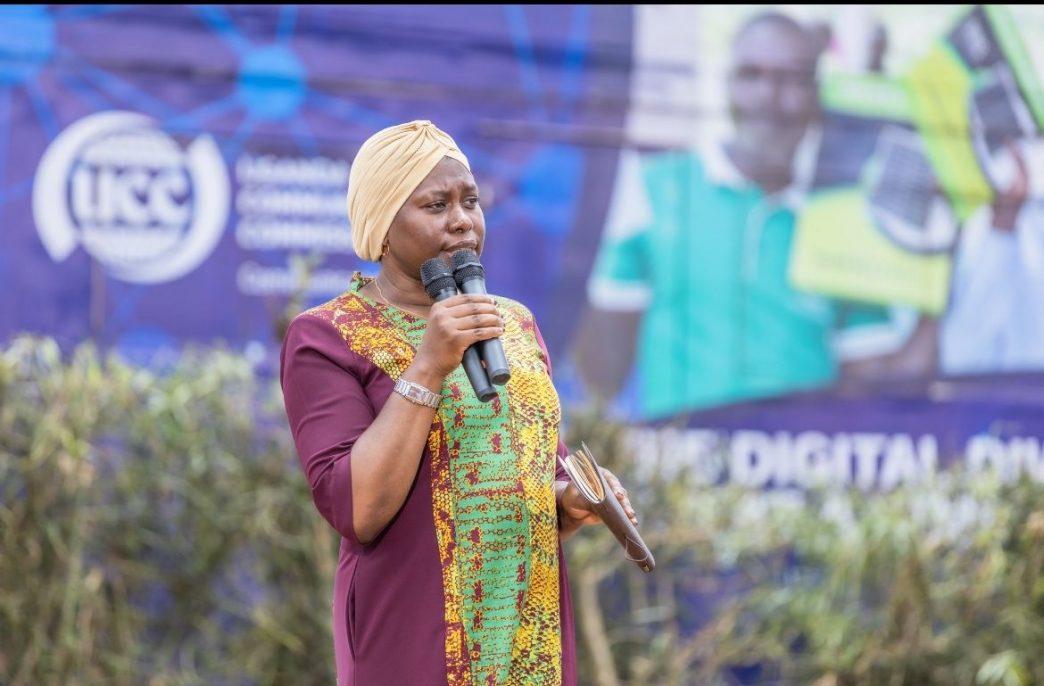
When the November 2025 edition of CIO Africa Magazine unveiled its list of the 45 Most Influential Women in Digital Transformation in Africa, the continent celebrated giants: women whose work is shifting the digital, policy, innovation, and economic landscape of Africa.
From Rwanda stood Paula Ingabire, the Minister of ICT & Innovation, who is positioning her nation as an emerging AI powerhouse, backed by a landmark $17.5 million investment to establish Africa’s first AI Scaling Hub. From South Africa, Phuthi Mahanyele-Dabengwa, CEO of Naspers South Africa, appeared for her commanding leadership of a $4 billion digital portfolio and aggressive youth digital-skilling programmes.
They were joined by an impressive constellation of visionaries: Ada Nduka Oyom, the Nigerian force behind She Code Africa; Dr. Chinasa Okolo, who co-authored the African Union’s AI strategy; Ethel Cofie, founder of Women in Tech Africa; Charlette N’Guessan, the first African woman to win the Royal Academy of Engineering’s prestigious innovation prize; Prof. Anicia Peters, Namibia’s 4IR policy architect; Nicole Harris of Massmart Africa; Dr. Viviane Oke, the 23-year-old rising star in digital health from Benin; and Princess Mthombeni, South Africa’s outspoken advocate for nuclear energy and youth inclusion.
These women represent industries as diverse as digital health, fintech, AI governance, e-commerce, media, cybersecurity, and national innovation systems. Together, they symbolize Africa’s bold charge into a future powered by technology and anchored in inclusion.
But among them, one name carried a unique significance for Uganda: Dr. Aminah Zawedde, the Permanent Secretary for the Ministry of ICT and National Guidance, who happens to be the only Ugandan to make the prestigious continental list.

“This recognition is not just a personal achievement; it reflects the government’s leadership, the tireless efforts of our teams and partners who believe in the power of digital transformation to drive Uganda forward. I am inspired by the dedication of everyone championing innovation, building capacity, and advancing policy that empowers our youth, improves lives, and strengthens our nation’s competitiveness,” Dr. Zawedde wrote on her LinkedIn Page.
She added, “I remain committed to fostering inclusive growth, shaping progressive ICT policy, and upholding the values of transparency and collaboration as we unlock new opportunities together.”
Before stepping into government, Dr. Zawedde built her intellectual foundation as a computer scientist, software engineering scholar, and educator at Makerere University. With a PhD in Software Engineering from Eindhoven University of Technology, she is part of a small cadre of African women with deep technical grounding, not honorary, but earned. Her leadership is shaped by this academic confidence; she speaks technology as a native language, not a borrowed one.
This matters. As governments globally struggle to regulate AI, digital platforms, cybersecurity, and data governance, the leaders who will drive Africa’s transformation will be those who understand technology’s complexity and its societal implications. Dr. Zawedde is exactly that kind of leader.
Under her stewardship, Uganda has reframed digital transformation as a whole-of-government pursuit, not a sectoral luxury. In 2025, for example, she spearheaded the launch of Uganda’s ICT Intellectual Property Guidelines, a landmark policy tool that finally gives local innovators the protection and commercialization pathways they deserve
She has also championed:
- A massive national digital-skilling agenda, training more than 40,000 Ugandans, including 1,500 refugees who earned ICDL certification with an impressive 86% pass rate by October 2025.
- The strengthening of Uganda’s global standing, preparing the country to host the first-ever East & Africa Digital Transformation Summit, gathering universities, multinationals, and policymakers to chart a unified digital vision for the region.
- Public-sector storytelling capacity, training 200+ government communication officers in digital media, crisis communications, and content modernization in partnership with MultiChoice Uganda.
See also: PICTORIAL: At the Uganda ICT Intellectual Property (IP) Guidelines Launch
Each of these initiatives reflects a clear strategy: Digital transformation begins with people, not machines. Uganda’s competitiveness must be built on talent, resilience, and digital confidence, especially among communities historically left out of the tech discourse.
Perhaps one of Dr. Zawedde’s most consequential interventions is repositioning Uganda as a credible player in the Business Process Outsourcing (BPO) economy. She has consistently framed Uganda’s youth as a comparative advantage, not a demographic crisis. With global BPO demand shifting and Africa’s talent costs still competitive, her advocacy syncs directly with the recently approved national BPO policy, a policy she has helped champion in both domestic and international spaces.
See also: ICT State Minister, Joyce Ssebugwawo, announces a BPO and Innovation Council to tackle unemployment
Her engagements with global firms such as Helpware Uganda, and her push for universal broadband in the national budget, centre on one goal: turning digital transformation into jobs for Uganda’s youth; today, not tomorrow
African digital policy is often fragmented; country-by-country, initiative-by-initiative. Dr. Zawedde’s approach is refreshingly different. Her work draws from regional and global collaboration, aiming to position Uganda not as a passive consumer of global tech trends, but as an active co-shaper of Africa’s digital trajectory.
Her leadership aligns with a broader continental awakening: Africa is no longer willing to be a technological afterthought.
By training innovators, empowering ministries, and elevating Uganda’s voice in multilateral forums, she is helping rewrite the continent’s place in the global digital order.
At the heart of Dr. Zawedde’s work is a leadership philosophy built on substance rather than spectacle. She brings a level of technical rigor that anchors decision-making in data, evidence, and disciplined analysis. Her vision of digital transformation is inherently inclusive, guided by a belief that technology must serve the refugee seeking opportunity, the rural youth hungry for skills, and the woman who has long been left at the margins, not just the urban elite.
See also: VP, Jessica Alupo, launches the ambitious digital transformation roadmap
She prioritises execution over rhetoric, moving ideas from paper to practice with a consistency that has become her signature. And she governs collaboratively, treating private-sector players, academia, civil society, and development partners as co-authors of Uganda’s digital story rather than passive observers. It is a style of leadership defined by clarity, humility, and strategic intent; the very qualities Africa’s digital future will demand.
As the applause settles and the headlines fade, Dr. Zawedde returns to what she has always done: building, listening, refining, moving Uganda forward with calm conviction. Her recognition is deserved, but her mission is larger than any accolade, and perhaps that is her greatest strength: she leads not for acclaim, but for impact.